
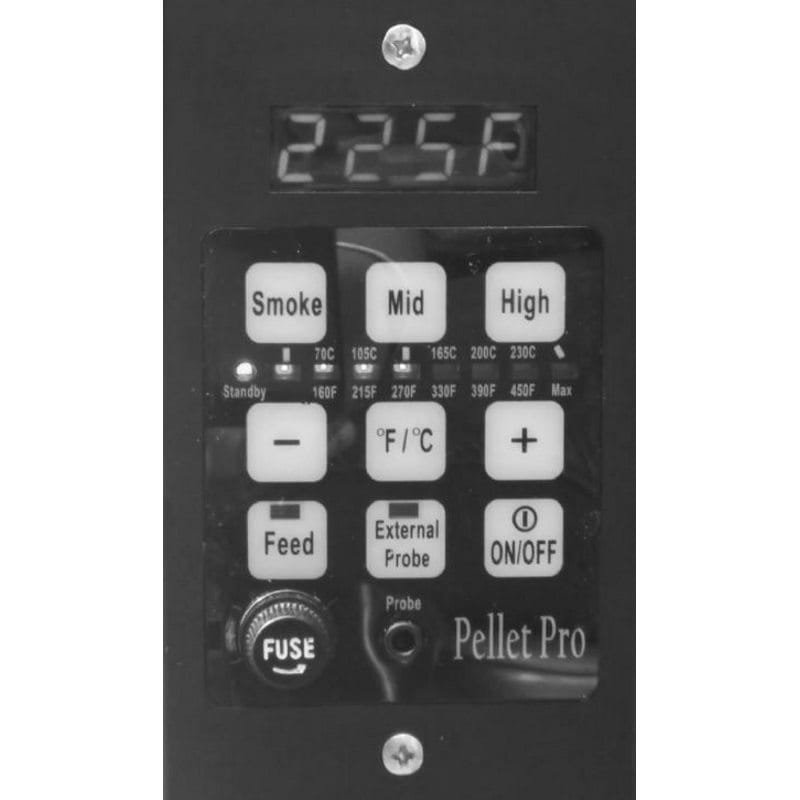
If you love grilling with a pellet grill, you’ve probably wondered how it keeps the temperature so steady and perfect. That’s where a PID controller comes in.
But what exactly is a PID controller, and why should you care about it for your pellet grill? Understanding this small but powerful device can change the way you cook, making your grilling experience easier and your food tastier. Keep reading to discover how a PID controller works and why it’s a game-changer for your next barbecue.
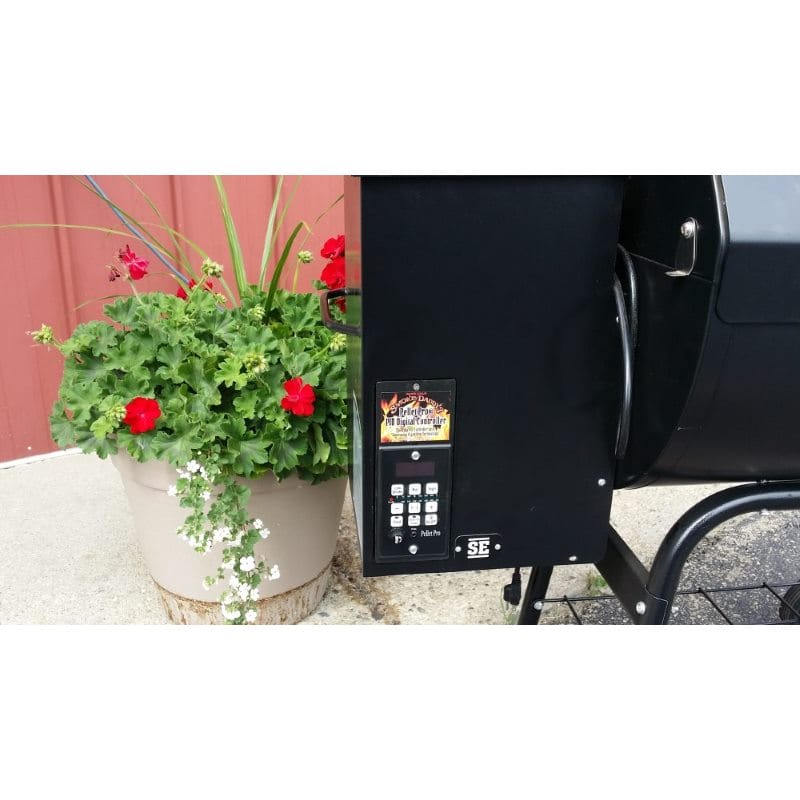
Credit: smokedaddyinc.com
Basics Of Pid Controllers
A PID controller helps keep the temperature steady in pellet grills. It adjusts the heat to reach the set temperature and hold it there.
This control system uses three parts to work together and control the grill’s temperature smoothly.
How Pid Controllers Work
PID stands for Proportional, Integral, and Derivative. Each part helps fix temperature changes in different ways.
- Proportional:Reacts to the current temperature error. The bigger the error, the stronger the correction.
- Integral:Fixes past errors by adding up all previous temperature differences.
- Derivative:Predicts future errors by looking at how fast the temperature is changing.
By combining these three actions, the PID controller keeps the grill temperature stable and reduces swings.
Components Of A Pid Controller
| Component | Function |
| Sensor | Measures the grill temperature and sends data to the controller. |
| Controller | Calculates the needed heat adjustments using the PID formula. |
| Actuator | Adjusts the pellet feed or air flow to change the grill temperature. |
These parts work together in a loop to maintain the desired temperature in pellet grills.
Role In Pellet Grills
A PID controller is a device that helps keep the pellet grill temperature steady. It controls how much fuel the grill uses.
This control makes cooking easier and more precise. It stops the grill from getting too hot or too cold.
Temperature Regulation
The PID controller reads the grill’s temperature often. It changes the pellet feed to keep the temperature steady.
This helps cook food evenly. The grill stays at the set temperature without big changes.
- Measures temperature many times per second
- Adjusts pellet feeding to match the target heat
- Prevents temperature spikes and drops
Benefits Over Traditional Controls
Traditional controls turn pellets on or off. This causes the grill to swing between hot and cold.
The PID controller keeps the heat steady. It uses small, quick changes to keep the temperature right.
- More precise temperature control
- Less fuel waste
- Better cooking results
- Fewer temperature swings
Key Features Of Pid Controllers
PID controllers are important for pellet grills. They help keep the grill temperature steady. This control improves cooking quality.
The main features of PID controllers include precise cooking, automatic adjustments, and consistent results. These features make grilling easier and more reliable.
Precision Cooking
PID controllers keep the grill temperature very close to the set target. This precision helps cook food evenly. It avoids overcooking or undercooking.
- Measures temperature constantly
- Makes small adjustments quickly
- Keeps temperature within a narrow range
- Supports slow and low cooking styles
Automatic Adjustments
PID controllers adjust the heat automatically. They respond to changes like opening the grill lid or wind. This keeps the cooking temperature stable without needing manual input.
| Factor | PID Controller Response |
| Wind cooling the grill | Increases pellet feed to raise heat |
| Opening the lid | Adjusts fan speed to balance temperature |
| Fuel pellet quality changes | Modifies burn rate for steady heat |
Consistency In Results
Using a PID controller helps deliver the same cooking results every time. It reduces guesswork and keeps the grill running smoothly.
Benefits of Consistency:
- Food cooks evenly without hot spots
- Maintains flavor and texture across meals
- Reduces chances of burnt or raw food
- Helps beginners get good results
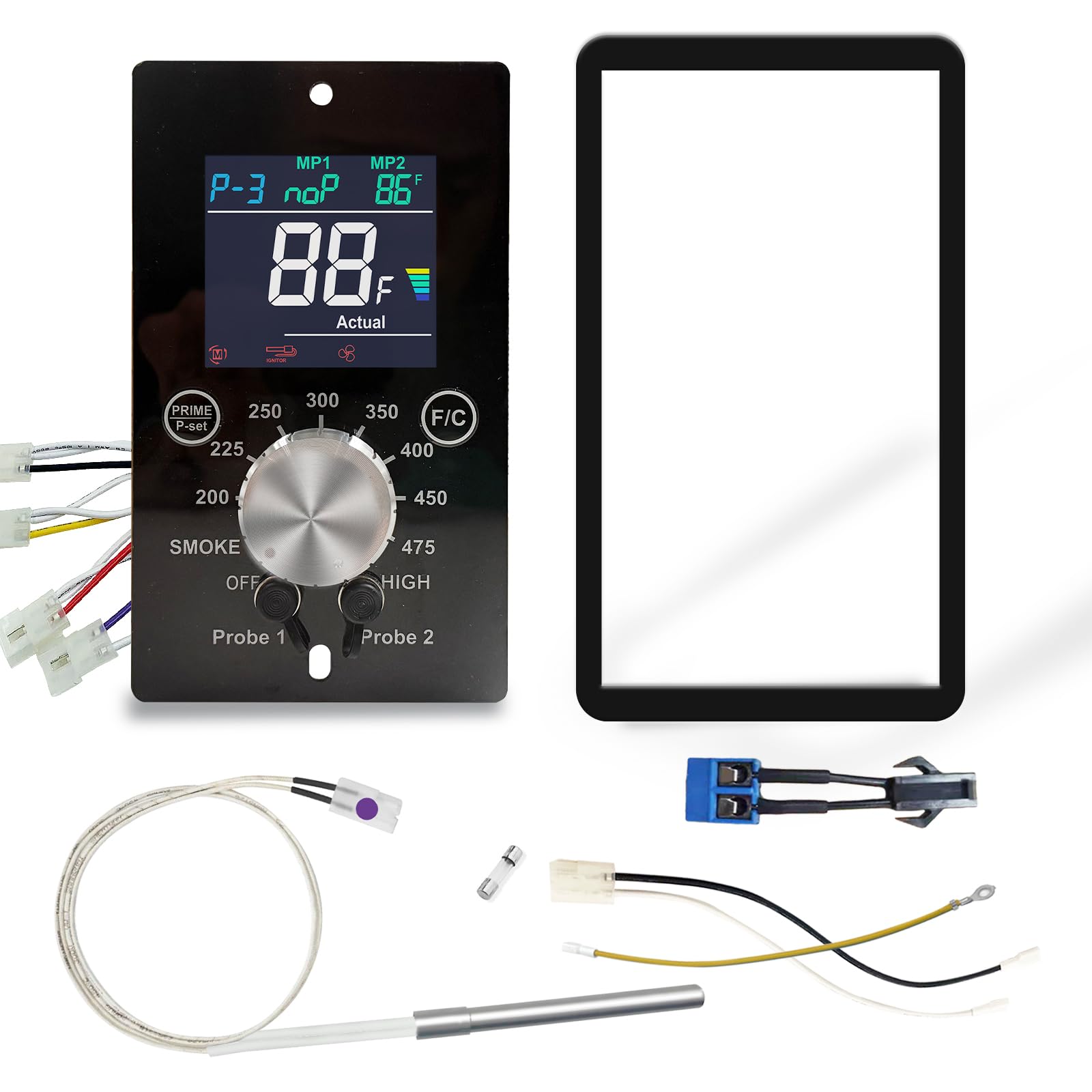
Credit: www.amazon.com
Setting Up A Pid Controller
A PID controller helps keep the temperature steady in pellet grills. It uses sensors and adjusts heat automatically.
Setting up a PID controller needs care. You must install it correctly and calibrate it for best results.
Installation Steps
First, turn off the grill and unplug it for safety. Find a good spot to mount the PID controller.
Connect the temperature sensor to the controller. Then, wire the controller to the grill’s heating element and power source.
- Mount the PID controller in a dry place
- Attach the temperature probe inside the grill
- Connect power wires following the manual
- Double-check all connections before turning on
Calibration Tips
Calibration helps the PID controller read the right temperature. Start by comparing the controller’s reading with a reliable thermometer.
Adjust the PID settings to match the real temperature. This step makes the grill heat more accurately and avoid big swings.
- Check the temperature sensor placement inside the grill
- Use the grill thermometer to verify the PID reading
- Adjust the PID controller’s temperature offset if needed
- Test the grill at different temperatures to confirm accuracy
Common Troubleshooting Tips
PID controllers help keep pellet grills at the right temperature. Sometimes, they face problems that need fixing. Knowing simple tips can save time and improve cooking results.
This guide covers common issues with PID controllers and how to solve them. Focus areas include temperature changes and sensor problems.
Dealing With Temperature Fluctuations
Temperature swings can affect how food cooks. The PID controller tries to keep heat steady, but some factors cause changes. Check the pellet quality and grill placement first.
Also, clean the grill regularly. Ash or dirt can block airflow, leading to uneven heat. Adjust the PID settings if needed to reduce swings.
- Use fresh, dry pellets for consistent burning
- Keep the grill in a sheltered spot from wind
- Clean ash and grease from the fire pot often
- Check and adjust PID controller settings carefully
Sensor Issues
Sensors tell the PID controller the grill’s temperature. If a sensor fails or reads wrong, the grill heats unevenly or shuts down. Inspect the sensor for damage or dirt.
Make sure the sensor is in the right place and connected well. Replace faulty sensors with the correct model for your grill to avoid further problems.
- Clean sensors gently to remove dirt or grease
- Check sensor wires for breaks or loose connections
- Place sensors where they can measure heat accurately
- Use manufacturer-approved sensors for replacements
Comparing Pid Controllers To Other Systems
Pellet grills use different control systems to manage temperature. Each system affects how steady the grill heat stays. PID controllers offer a unique way to keep temperature steady.
This section compares PID controllers with manual and digital controls. It explains their differences and benefits.
Manual Controls Vs Pid
Manual controls require you to adjust the grill settings yourself. You turn knobs or switches to control airflow or pellet feed.
- Manual control needs frequent checking.
- Temperature can swing widely.
- It may take longer to reach target heat.
- Requires more user experience.
- Less precise temperature control.
PID controllers automatically adjust the pellet feed based on temperature. They keep heat steady without constant attention.
Digital Controls Vs Pid
Digital controls use preset settings and sensors to manage the grill. They offer better control than manual systems.
| Feature | Digital Controls | PID Controllers |
| Temperature Accuracy | Good, but may fluctuate | Very high, steady heat |
| Response to Changes | Adjusts in steps | Adjusts smoothly and constantly |
| User Input | Preset modes or manual setting | Automatic adjustment |
| Ease of Use | Easy for beginners | Simple, no constant tweaking |
| Cost | Usually less expensive | Often higher initial cost |
PID controllers provide more precise control. They keep the grill temperature closer to the target with less user effort.
Enhancing Pellet Grill Performance
A PID controller helps keep the grill temperature steady. It uses sensors to monitor heat and adjust pellets automatically.
This control improves cooking results. It stops big temperature swings and keeps food cooking evenly.
Optimizing Cooking Techniques
The PID controller keeps the grill at the exact temperature you set. This control lets you cook food perfectly every time.
You can try different cooking styles like low and slow smoking or high-heat searing. The controller keeps heat steady for each method.
- Maintain steady heat for even cooking
- Switch between cooking styles easily
- Reduce the chance of burning or undercooking
- Cook large cuts of meat evenly
Maintenance Practices
Keep the PID controller and sensors clean for best results. Dirt or dust can affect temperature readings.
Check the pellet feed system often. Make sure pellets flow smoothly to avoid temperature drops or spikes.
- Clean temperature sensors regularly
- Inspect the pellet hopper for jams
- Test the controller settings before long cooks
- Replace worn parts to maintain accuracy
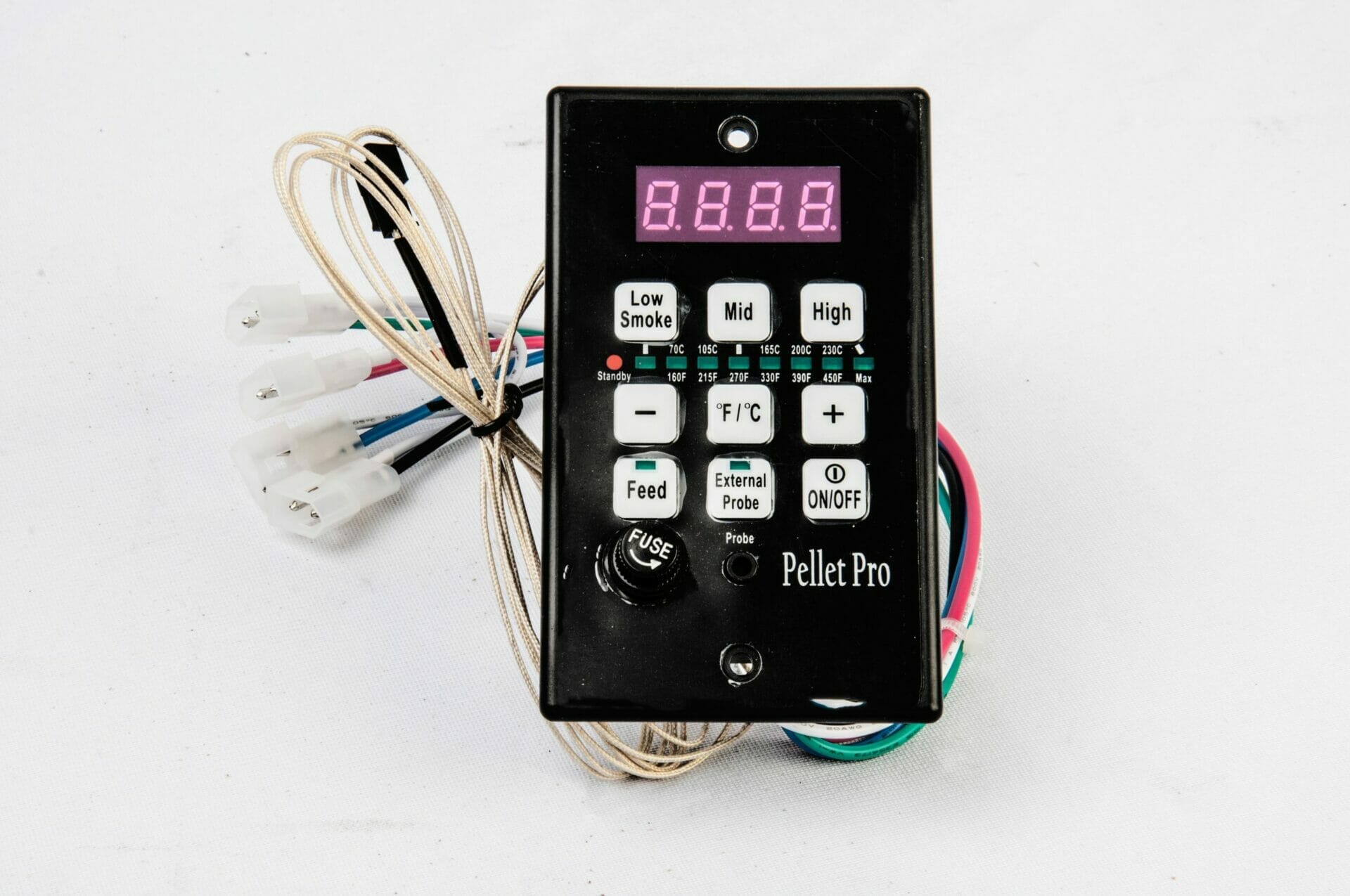
Credit: smokedaddyinc.com
Frequently Asked Questions
What Is The Main Function Of A Pid Controller In Pellet Grills?
A PID controller precisely regulates temperature by adjusting pellet feed and airflow. It maintains consistent heat for perfect cooking results in pellet grills.
How Does A Pid Controller Improve Pellet Grill Performance?
It offers accurate temperature control, reducing fluctuations. This ensures even cooking, better flavor, and less manual adjustment during grilling.
Can A Pid Controller Make Pellet Grilling Easier For Beginners?
Yes, it simplifies temperature management. The controller automatically adjusts settings, allowing beginners to focus on cooking without constant monitoring.
Is A Pid Controller Energy Efficient In Pellet Grills?
Yes, it optimizes pellet usage by maintaining steady temperatures. This reduces fuel waste and enhances overall energy efficiency during grilling.
Conclusion
A PID controller helps keep your pellet grill’s temperature steady. It adjusts the heat quickly and smoothly. This makes cooking easier and food tastier. You don’t need to watch the grill all the time. It works quietly and uses fuel well.
Understanding this tool can improve your grilling skills. Try it to enjoy better control and results. Simple, smart, and effective—just what your grill needs.