
Are you tired of guessing the right heat for your pellet grill? Controlling the temperature is the key to cooking perfect meals every time.
Whether you’re smoking ribs low and slow or searing a steak hot and fast, mastering your pellet grill’s temperature will change the way you cook. You’ll discover simple, proven tips to take full control of your grill’s heat. Get ready to impress your family and friends with perfectly cooked food, every time you fire up your pellet grill! Keep reading—you’re just a few steps away from grilling like a pro.

Credit: roarmag.org
Pellet Grill Basics
Pellet grills use small wood pellets to cook food. They offer a mix of smoking, grilling, and baking.
Controlling temperature is key to cooking tasty meals on a pellet grill. Understanding how they work helps.
How Pellet Grills Work
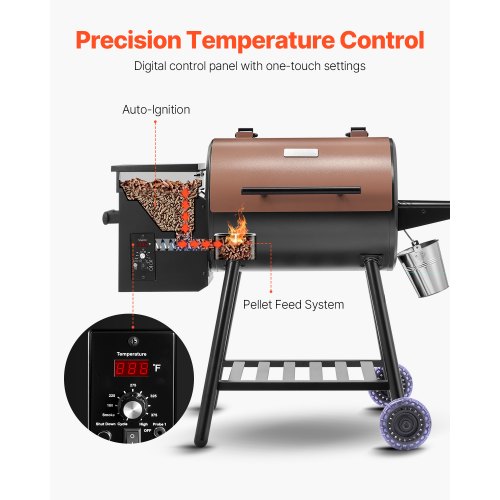
Pellet grills burn wood pellets to create heat and smoke. A motor feeds pellets into a fire pot.
A fan blows air to keep pellets burning evenly. This heat cooks the food slowly and adds smoky flavor.
- Pellets fall from a hopper into a fire pot
- Electric igniter lights the pellets
- Fan controls air flow for steady burning
- Heat spreads inside the grill to cook food
Key Temperature Components
Temperature control depends on several parts working together. Each part helps keep heat steady.
These components work to keep the grill at the temperature you set. They adjust pellet feeding and air flow.
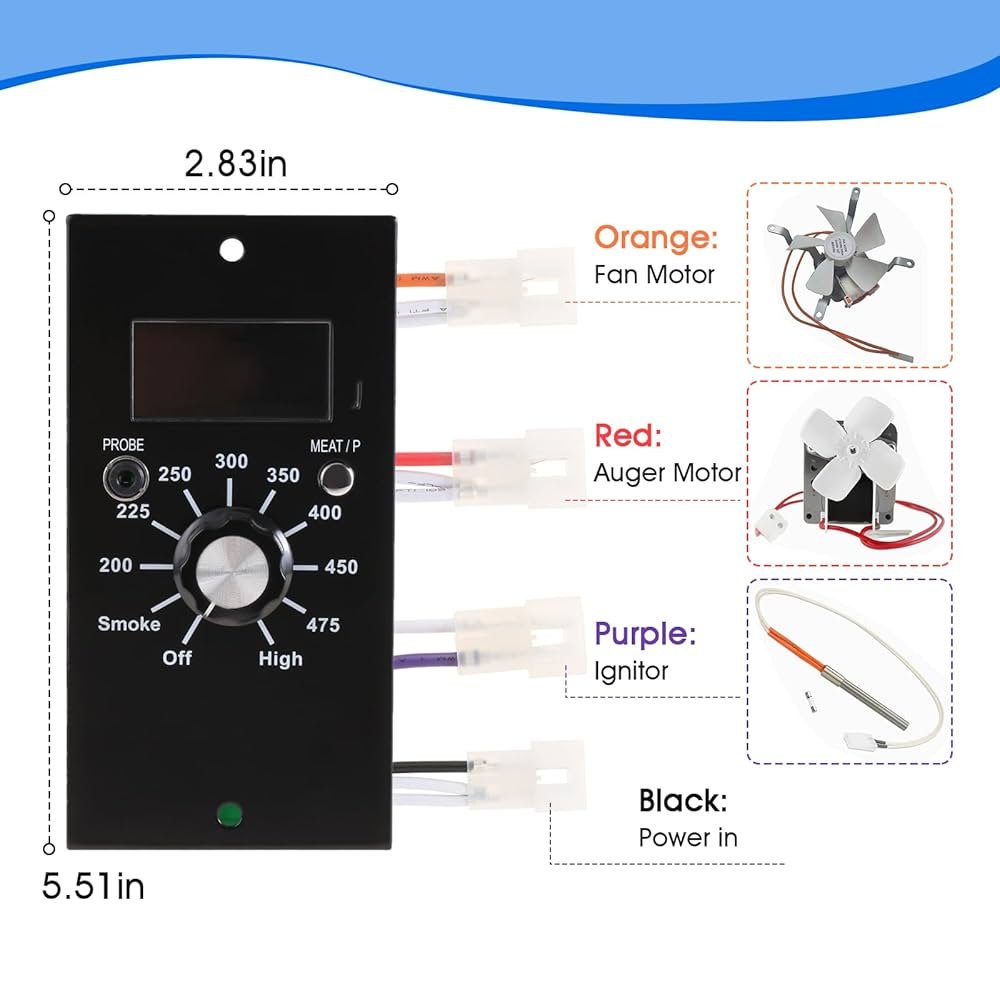
- Controller:Sets and monitors temperature
- Auger:Moves pellets to the fire pot
- Fire pot:Where pellets burn and create heat
- Fan:Circulates air to keep fire steady
- Temperature probe:Measures grill heat inside
Credit: www.vevor.ca
Setting Up For Temperature Control
Controlling temperature on a pellet grill is important for cooking food well. Proper setup helps keep the heat steady.
Focus on the right tools and steps before you start grilling. This will make your temperature control easier.
Choosing Quality Pellets
Good pellets burn clean and give off steady heat. Poor pellets can cause temperature swings and bad flavors.
Look for hardwood pellets without fillers or additives. This keeps your grill burning evenly and safely.
- Use 100% hardwood pellets like oak, hickory, or maple
- Avoid pellets with softwood or binders
- Store pellets in a dry place to prevent moisture
Proper Grill Placement
Place your grill on a flat, stable surface. Wind and shade can affect the grill’s temperature.
Keep the grill away from strong winds and direct sunlight for steady heat control.
- Set grill on a level ground to keep pellets feeding properly
- Place grill in a spot shielded from strong winds
- Avoid direct sunlight to prevent hot spots
Preheating Tips
Preheat the grill before adding food. This helps the grill reach the right temperature quickly.
Give the grill 10-15 minutes to heat up. This stabilizes the temperature for even cooking.
- Turn on the grill and set to your desired temperature
- Wait at least 10 minutes before placing food
- Check the temperature gauge to confirm heat level
Adjusting Temperature Settings
Controlling the temperature on a pellet grill is important for good cooking results. Adjusting the temperature helps cook food evenly and avoid burning.
There are two main ways to set the temperature on a pellet grill. You can use the digital controller or make manual adjustments.
Using The Digital Controller
Most pellet grills have a digital controller to set the temperature. You can choose the exact heat you want with a few button presses.
The controller keeps the temperature steady by adding or reducing pellets automatically. This helps keep your food cooking just right.
- Turn on the grill and wait for it to start
- Use the buttons to set the desired temperature
- The grill will adjust pellet feed to keep that temperature
- Check the display to monitor the heat level
Manual Temperature Adjustments
You can also control temperature by adjusting airflow and pellet feed manually. This works if your grill does not have a digital controller.
Changing the air vent and pellet feed affects how hot the fire burns. More air and pellets mean higher heat.
- Open the air vent more for higher heat
- Close the vent slightly to lower the temperature
- Add more pellets to increase heat quickly
- Reduce pellets to cool down the grill
- Watch the smoke and heat to keep it steady
Managing Airflow And Smoke
Controlling temperature on a pellet grill depends a lot on airflow and smoke control. Adjusting vents and dampers can help keep the heat steady.
Understanding how to manage smoke levels improves flavor and keeps food from getting bitter or too smoky.
Vent And Damper Adjustments
Vents and dampers control how much oxygen enters the grill. More oxygen means hotter fire and higher temperature. Less oxygen cools the fire down.
- Open the intake vent to increase airflow and heat.
- Close the intake vent to reduce oxygen and lower temperature.
- Use the exhaust damper to control how fast smoke leaves the grill.
- Keep dampers partly open for steady smoke and temperature.
Controlling Smoke Levels
Smoke adds flavor but too much smoke can make food bitter. Adjust smoke by changing pellet type and airflow.
| Smoke Control Method | Effect |
| Use mild wood pellets | Gentle smoke flavor |
| Increase airflow | Less dense smoke |
| Reduce airflow | More intense smoke |
| Adjust exhaust damper | Controls smoke release speed |
Troubleshooting Temperature Issues
Controlling the temperature on a pellet grill can be tricky. Many users face problems with temperature swings and inconsistencies. Fixing these issues helps cook food evenly and safely.
This guide covers common temperature problems, pellet feed issues, and maintenance tips. Follow these steps to keep your grill running well.
Common Temperature Fluctuations
Temperature can change because of several factors. Wind, weather, and grill placement affect heat. Also, the grill’s internal parts may cause swings if they are dirty or worn out.
- Check if the grill is in a windy area and shield it if needed.
- Make sure the grill lid is closed tightly during cooking.
- Inspect the temperature probe for dirt or damage.
- Verify that the grill is on a flat, stable surface.
- Allow the grill to preheat fully before adding food.
Fixing Pellet Feed Problems
Pelllet feed issues can cause the grill to lose heat or produce too much smoke. Feed problems happen when pellets get stuck or the auger motor fails.
| Problem | Cause | Solution |
| Pellets not feeding | Jammed auger or pellet bridge | Clear jam and check pellet quality |
| Auger motor not working | Electrical or mechanical failure | Test motor and replace if needed |
| Pellets too moist | Stored in humid place | Use dry pellets and store properly |
Cleaning And Maintenance Tips
Regular cleaning keeps your pellet grill working well. Built-up ash and grease can block airflow and affect temperature.
- Empty the ash from the fire pot after each use.
- Clean the grease tray and drip pan weekly.
- Wipe down the temperature probe carefully.
- Inspect and clean the pellet hopper monthly.
- Check all seals and replace if worn.
Advanced Temperature Techniques
Controlling the temperature on a pellet grill can improve your cooking results. Using advanced tools and methods helps keep the heat steady and precise.
This guide covers ways to control temperature using Wi-Fi controllers, combining grill zones, and temperature probes for monitoring.
Using A Wi-fi Controller
A Wi-Fi controller lets you manage your grill’s temperature remotely. You can check and adjust heat from your phone or tablet.
- Connect the controller to your home Wi-Fi network.
- Use the app to set target temperatures.
- Receive alerts if the temperature changes unexpectedly.
- Monitor cooking progress without opening the grill.
Combining Grill Zones
Many pellet grills have multiple zones with separate temperature controls. Combining zones helps cook different foods at once.
| Zone | Temperature Setting | Use |
| Zone 1 | 225°F | Slow smoking ribs |
| Zone 2 | 350°F | Grilling vegetables |
| Zone 3 | 450°F | Searing steaks |
Adjust zones to create a cooking plan. You can move food between zones as needed.
Temperature Probes And Monitoring
Using temperature probes inside the grill and the food helps you track heat precisely. Probes give real-time data to avoid overcooking or undercooking.
- Insert probes into thick parts of the meat.
- Use grill probes to check ambient temperature.
- Connect probes to a digital monitor or app.
- Set alarms for target temperatures.

Credit: www.amazon.com
Frequently Asked Questions
How Do I Set Temperature On A Pellet Grill?
To set temperature, turn on your pellet grill and use the digital control panel. Select the desired temperature and wait for it to stabilize before cooking.
Why Does My Pellet Grill Temperature Fluctuate?
Temperature fluctuates due to pellet feed rate and ambient conditions. Regular cleaning and quality pellets help maintain steady heat.
How Can I Maintain Consistent Heat On A Pellet Grill?
Keep the grill clean, use dry pellets, and avoid opening the lid frequently. These steps ensure consistent temperature during cooking.
What Temperature Is Best For Smoking On A Pellet Grill?
For smoking, set the temperature between 180°F and 225°F. This range allows slow cooking and enhances smoke flavor.
Conclusion
Controlling temperature on a pellet grill takes practice and patience. Start by setting the right temperature for your food. Check the grill often to keep heat steady. Use the grill’s controls to adjust the heat as needed. Keep the pellets dry and the grill clean for best results.
Remember, small changes make a big difference. Enjoy cooking with confidence and tasty meals every time. Temperature control helps you cook food just right, every time. Keep trying and you will get better quickly.