
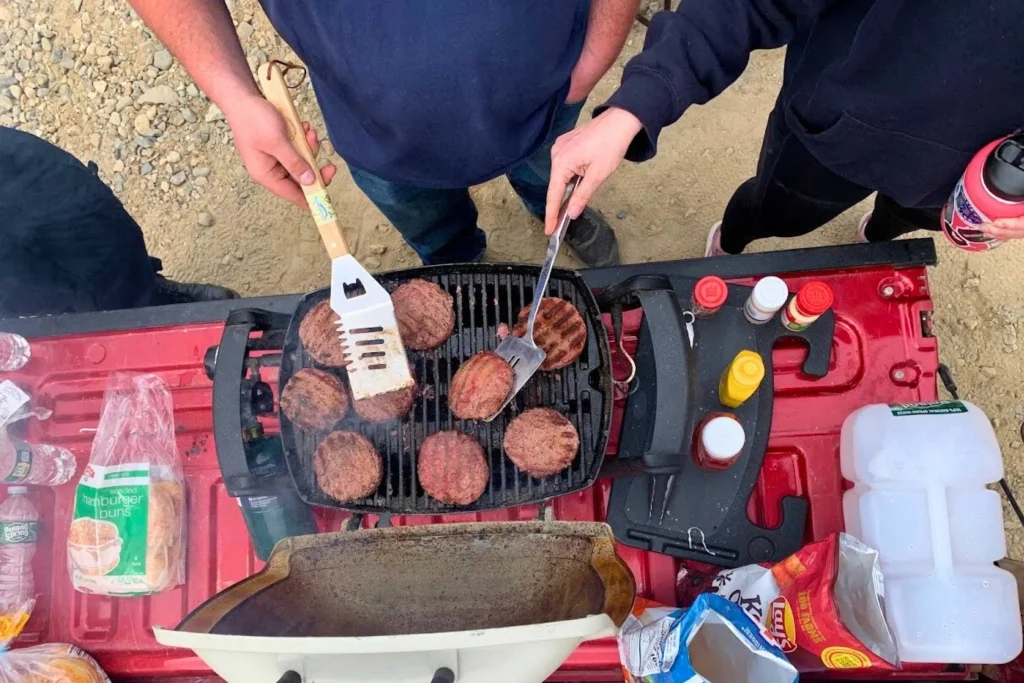
Choosing the best fuel for your portable grill can make all the difference in your outdoor cooking experience. You want something that lights quickly, burns evenly, and gives your food that perfect smoky flavor.
But with so many options out there, how do you know which one suits your needs best? Whether you’re grilling in the backyard, at a campsite, or on a tailgate, understanding your fuel choices will help you cook smarter and enjoy every bite.
Keep reading to discover the top fuels for portable grills and find the perfect match for your next cookout.
Types Of Portable Grill Fuels
Portable grills need fuel to cook your food. The fuel type affects heat, flavor, and convenience.
Choosing the right fuel helps you enjoy grilling outdoors. Let’s look at common fuel types for portable grills.
Charcoal
Charcoal is made from burned wood. It gives a smoky flavor to grilled food. It takes time to light and heat up.
- Easy to find and cheap
- Needs air to burn well
- Produces smoke and ash
- Good for slow cooking
Propane
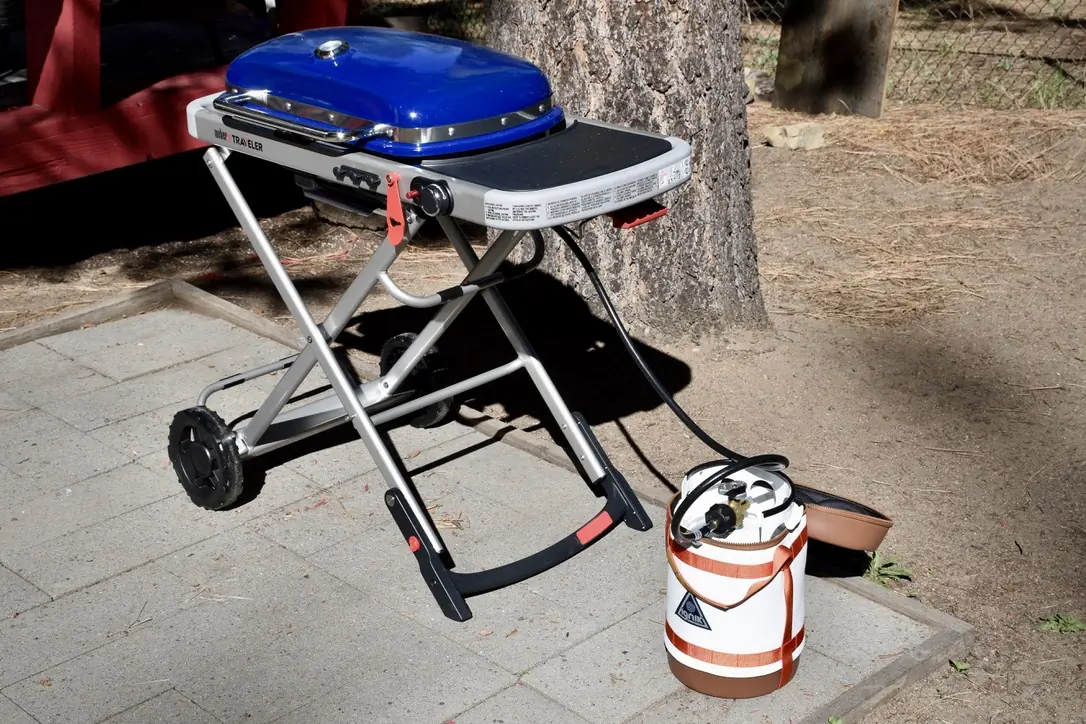
Propane is a gas stored in small tanks. It lights quickly and heats evenly. Propane grills are easy to control.
| Advantage | Disadvantage |
| Fast heating | Needs refilling |
| Clean burning | Heavier fuel tanks |
| Less smoke | Can be costly |
Butane
Butane is another gas fuel. It is similar to propane but works best in warm weather. Butane tanks are smaller and lighter.
Butane grills heat fast but may not work well in cold places. They are good for short trips and light cooking.
Electric
Electric grills use power from a plug or battery. They are clean and easy to use. No smoke or ash is made.
Electric grills need electricity nearby. They cook food evenly but may not give a smoky flavor.
Wood Pellets
Wood pellets are small pieces of compressed wood. They burn hot and add a strong smoky taste. They need a special pellet grill.
- Made from natural wood
- Gives unique smoke flavors
- Requires electricity for pellets feeder
- Good for slow and steady cooking
Benefits Of Charcoal Fuel
Charcoal fuel is a popular choice for portable grills. It offers unique benefits that many grillers enjoy. Understanding these benefits can help you choose the best fuel for your grill.
This guide covers key advantages of using charcoal fuel. We look at flavor impact, heat control, and cost and availability.
Flavor Impact
Charcoal adds a smoky flavor that enhances grilled food. This flavor cannot be matched by other fuels like gas or electric. The aroma and taste come from the wood and natural materials used to make charcoal.
The smoky flavor makes charcoal a favorite for many barbecue lovers. It brings out the rich taste of meats and vegetables.
Heat Control
Charcoal gives you good control over cooking heat. You can adjust the temperature by adding or moving the coals. This helps cook food evenly and prevents burning.
- Spread coals out for lower heat
- Pile coals together for higher heat
- Move food closer or farther from coals to adjust cooking speed
- Use vents on the grill to control airflow and temperature
Cost And Availability
| Factor | Charcoal Fuel | Gas Fuel |
|---|---|---|
| Price per Use | Lower | Higher |
| Easy to Find | Widely Available | Available but less common |
| Storage Needs | Simple and Dry Place | Requires Proper Handling |
| Burn Time | Short to Medium | Long |
Charcoal is usually cheaper and sold at many stores. You can buy charcoal bags at grocery shops, hardware stores, and outdoor shops. It is easy to store as long as it stays dry.
Advantages Of Propane Fuel
Propane is a common fuel choice for portable grills. It offers many benefits that make grilling easier and more enjoyable. Many people prefer propane because it is easy to use and clean.
Understanding the advantages of propane can help you decide if it is the best fuel for your portable grill. This guide covers key benefits like convenience, temperature control, and clean burning.
Convenience And Portability
Propane tanks are small and lightweight. This makes them easy to carry and store. You can quickly connect and disconnect propane tanks from your grill. It allows you to start cooking fast without hassle.
Propane grills do not need electricity or charcoal. You can use them almost anywhere. This is great for camping, picnics, or tailgating events.
- Small tanks fit in car trunks or backpacks
- Quick setup saves time
- No need for extra fuel like charcoal
- Works well outdoors in many places
Temperature Control
Propane grills heat up quickly and provide steady heat. You can adjust the flame easily with a knob. This control helps you cook food evenly and prevent burning.
Accurate temperature control is important for different recipes. Propane allows you to grill steaks, vegetables, or seafood at the right heat. This improves the taste and texture of your food.
- Fast heating saves cooking time
- Easy flame adjustment for precise cooking
- Even heat distribution on the grill
- Better results for various foods
Clean Burning
Propane burns cleaner than charcoal and wood. It produces less smoke and fewer odors. This makes grilling more pleasant and safer for your health.
Using propane reduces soot and ash. It keeps your grill cleaner and requires less maintenance. Clean burning also helps protect the environment by lowering emissions.
- Less smoke means better air quality
- Fewer harmful chemicals released
- Less ash to clean after grilling
- Healthier for you and the environment

Credit: www.treelinereview.com
Using Butane For Portable Grills
Butane is a popular fuel choice for portable grills. It offers convenience and ease of use.
This fuel works well for outdoor cooking and is easy to carry on trips.
Compact Fuel Source
Butane comes in small, lightweight canisters. These canisters fit easily in a backpack or picnic basket.
- Easy to store
- Lightweight for travel
- No heavy tanks needed
- Simple to connect to grills
Ideal For Small Grills
Butane works best with small and medium-sized portable grills. It provides a steady heat for cooking.
| Grill Size | Butane Suitability |
| Small | Excellent |
| Medium | Good |
| Large | Limited |
Safety Considerations
Using butane requires care to avoid accidents. Follow these safety tips to stay safe.
- Store canisters in a cool, dry place
- Keep away from open flames when not in use
- Check for leaks before connecting
- Use in well-ventilated areas
- Follow grill manufacturer instructions
Electric Grills And Power Options
Electric grills offer a clean and convenient way to cook outdoors. They use electricity instead of charcoal or gas. This makes them easy to start and control.
Choosing the right power option for your portable electric grill helps you cook safely and efficiently. Different power sources fit different needs and places.
Ease Of Use
Electric grills are simple to use. You just plug them in and turn them on. There is no need to light charcoal or connect gas tanks. Temperature controls make cooking easier.
- No flame or smoke, so they are safer for small spaces.
- Quick heating saves time before cooking.
- Easy to clean with fewer parts.
- Portable and lightweight for outdoor use.
Limitations And Benefits
Electric grills have benefits and some limits. They work well in places where open flames are not allowed. They also produce less smoke and odors.
| Benefit | Limitation |
| Easy to control temperature | Needs power source nearby |
| Clean and safe to use indoors or outdoors | Less smoky flavor than charcoal |
| Lightweight and portable | Power cords can limit movement |
Power Source Options
Choosing the right power source affects your grill’s convenience and where you can use it. Most electric grills need a steady electric supply.
- Standard wall outlets are common for home and patio use.
- Extension cords can increase reach but must be rated for outdoor use.
- Battery-powered grills are available but have limited cooking time.
- Generators allow use in remote places without electricity.
Credit: gearjunkie.com
Wood Pellets As Grill Fuel
Wood pellets are small, compressed pieces of wood used as fuel for portable grills. They come from sawdust and wood shavings, making them a natural choice for grilling.
Many grillers prefer wood pellets because they offer a unique cooking experience. They burn evenly and provide a steady heat source for outdoor cooking.
Flavor And Aroma
Wood pellets add a smoky flavor to grilled food. The type of wood affects the taste and smell.
- Hickory pellets give a strong, bacon-like flavor.
- Applewood pellets add a sweet and fruity aroma.
- Mesquite pellets provide a bold and earthy taste.
- Cherry pellets create a mild, sweet smoke flavor.
Fuel Efficiency
Wood pellets burn efficiently, producing consistent heat with less ash. This helps grills maintain temperature for longer.
| Feature | Wood Pellets | Charcoal | Propane |
| Burn Time | Long and steady | Shorter | Depends on tank size |
| Ash Production | Low | High | None |
| Heat Consistency | Stable | Variable | Stable |
Compatibility With Grills
Wood pellets work best in grills designed for pellet fuel. These grills have special feeders to burn pellets correctly.
Check these points before using wood pellets in your grill:
- Use grills with pellet-specific burners.
- Avoid using pellets in charcoal or gas grills.
- Keep pellets dry for best performance.
- Store pellets in airtight containers.
Factors To Consider When Choosing Fuel
Choosing the right fuel for your portable grill makes cooking easier and better. Different fuels work well for different needs.
Think about what matters most to you before picking fuel. This helps you find the best option for your grill.
Portability Needs
Some fuels are easier to carry than others. If you move around a lot, pick a light and compact fuel.
Fuel that is safe and easy to store also helps when you travel or camp.
- Small propane canisters are easy to carry
- Charcoal bags can be heavy and bulky
- Wood pellets are compact but need a special grill
Cooking Style
Your cooking style affects the fuel choice. Different fuels give different heat levels and flavors.
Think about what you like to cook and how you want it to taste.
- Charcoal gives smoky flavor for grilled food
- Propane heats quickly and is easy to control
- Wood adds natural aroma and unique taste
Environmental Impact
Some fuels are better for the environment than others. Choose fuel that creates less pollution and waste.
Look for clean-burning fuels if you want to protect nature while grilling.
- Propane burns clean with low emissions
- Charcoal produces more smoke and ash
- Wood is natural but can cause smoke
Cost And Availability
Fuel prices vary and affect how often you can grill. Pick fuel you can buy easily and afford regularly.
Also, think about how much fuel your grill needs for each use.
- Propane can be costly but lasts long
- Charcoal is usually cheap and easy to find
- Wood may be free if you have access to it

Credit: www.popularmechanics.com
Safety Tips For Using Grill Fuels
Using the right fuel for your portable grill is important for safety. Handling and storing fuels carefully helps prevent accidents. Follow these safety tips to keep your grilling safe.
Learn how to store, use, and maintain grill fuels properly. This guide covers key points for safe grilling.
Storage Guidelines
Store grill fuels in a cool, dry place away from heat sources. Keep containers sealed tightly to prevent leaks and fumes. Avoid storing fuels inside your home or near open flames.
- Keep fuel containers upright and secure
- Do not store fuels near children or pets
- Use original containers with clear labels
- Check expiration dates and dispose of old fuel safely
Handling And Usage
Handle grill fuels with care to avoid spills and fires. Only use fuels designed for portable grills. Do not mix different fuel types. Follow the grill manufacturer’s instructions for fuel use.
| Fuel Type | Safe Handling Tip |
| Propane | Check for leaks before connecting |
| Charcoal | Use in well-ventilated areas only |
| Butane | Keep away from sparks and flames |
Maintenance And Inspection
Inspect fuel tanks and hoses regularly for damage or leaks. Clean the grill after each use to avoid buildup of grease and fuel residue. Replace any worn or damaged parts immediately.
- Look for cracks or holes in hoses
- Check fuel connectors for tightness
- Clean grill grates and drip trays
- Store grill and fuel safely after use
Frequently Asked Questions
What Is The Most Efficient Fuel For Portable Grills?
Propane is the most efficient fuel for portable grills. It heats quickly, is easy to control, and offers consistent cooking temperatures. Propane is widely available and clean-burning, making it a popular choice for outdoor grilling.
Can I Use Charcoal In A Portable Grill?
Yes, many portable grills support charcoal. Charcoal provides a smoky flavor and high heat but takes longer to ignite. It’s ideal for those who prefer traditional grilling taste and don’t mind extra setup time.
Is Natural Gas Suitable For Portable Grills?
Natural gas is less common for portable grills due to limited portability. It requires a fixed gas line, making propane a better option for mobility and convenience during outdoor activities.
How Does Wood Fuel Affect Portable Grill Cooking?
Wood fuel adds unique smoky flavors to grilled food. It’s less convenient than gas or charcoal but perfect for enthusiasts who enjoy authentic, rustic cooking experiences on portable grills.
Conclusion
Choosing the best fuel for your portable grill depends on your needs. Charcoal offers rich flavor but takes longer to heat. Propane is quick and easy to use for fast cooking. Wood adds a smoky taste but requires more care.
Consider how you grill and what flavor you want. Safe handling and fuel availability also matter. Pick the fuel that fits your style and enjoy outdoor cooking. Your grill, your choice.