
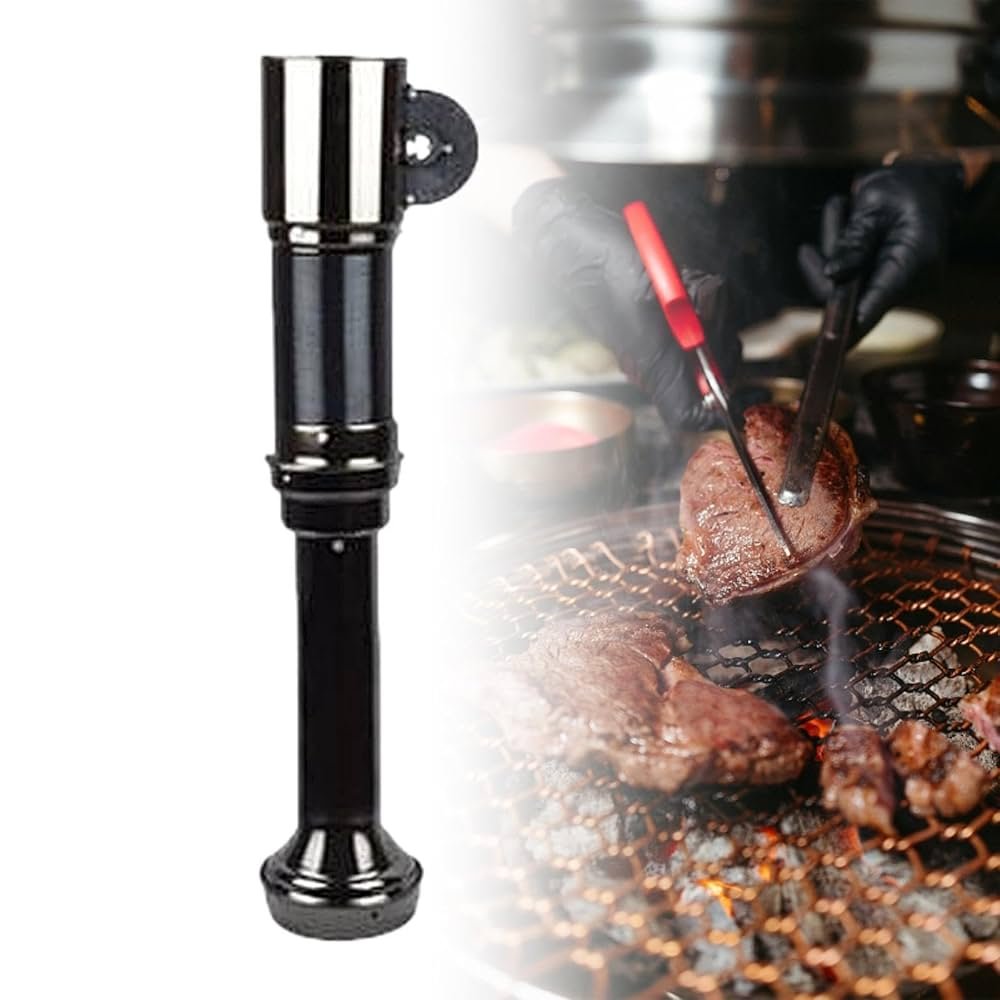
If you love grilling but hate the thick smoke that often comes with it, you’re not alone. Smoke can make your cooking experience less enjoyable and even bother your neighbors.
But don’t worry—there are simple ways to reduce smoke when using your portable grill. You’ll discover easy tips that help you grill cleaner, breathe easier, and impress everyone with perfectly cooked food. Keep reading to find out how you can take control of the smoke and make your next grilling session more fun and smoke-free!

Credit: asmokegrill.com
Choose The Right Fuel
Choosing the right fuel can help reduce smoke in your portable grill. The type of fuel affects the flavor and smoke level.
Using cleaner fuels gives you a better cooking experience with less smoke and fewer odors.
Charcoal Vs. Wood
Charcoal burns cleaner than wood and creates less smoke. It also heats evenly for better cooking.
Wood adds more smoke and flavor but can produce more soot and sparks. Choose dry, seasoned wood to reduce smoke.
- Charcoal is easier to control for heat and smoke
- Wood gives smoky flavor but may cause flare-ups
- Dry fuels burn cleaner than wet or green wood
Using Natural Lump Charcoal
Natural lump charcoal is made from pure wood without additives. It burns hotter and cleaner than briquettes.
This charcoal produces less ash and smoke, making it a good choice for portable grills.
- Burns faster and hotter for quick cooking
- Less ash means less smoke during grilling
- Free from chemicals and fillers
Avoiding Chemical Starters
Chemical starters can cause strong smoke and bad smells. They may also affect the taste of your food.
Use natural fire starters like wood chips, newspaper, or a chimney starter to light your grill safely.
- Natural starters reduce unwanted smoke
- No harsh chemicals near your food
- Safe and easy to use
Maintain Proper Airflow
Proper airflow helps reduce smoke in a portable grill. Good air movement keeps the fire burning clean.
Without enough air, the grill produces more smoke and less heat. Managing airflow is key for better grilling.
Adjusting Vents
Vents control how much air enters and leaves the grill. Open vents let in more oxygen, making fire burn hotter and cleaner.
Close vents slightly to slow the fire but avoid closing them all. Too little air causes smoke and low heat.
- Start with vents open for good airflow
- Adjust vents to control fire size and smoke
- Keep vents clean for smooth air movement
Avoiding Overloading The Grill
Too much food or charcoal blocks airflow inside the grill. This causes smoke and uneven cooking.
Load the grill with a moderate amount of fuel and food. This allows air to flow freely around the fire.
- Place charcoal evenly without piling too high
- Leave space between food pieces for air circulation
- Do not overload the grill surface or firebox
Positioning The Grill
Put the grill in a spot with good natural airflow. Avoid tight corners or enclosed spaces that trap smoke.
Keep the grill away from walls and barriers. This helps smoke escape and fresh air reach the fire.
- Place grill in open areas with wind flow
- Keep vents free from obstruction
- Avoid positioning near fences or walls
Control Temperature Effectively
Reducing smoke from a portable grill starts with controlling the temperature well. Keeping heat steady helps food cook evenly and stops excess smoke.
Use simple tools and methods to keep your grill at the right heat. This makes your grilling safer and tastier.
Using A Thermometer
A thermometer tells you the exact temperature inside your grill. It helps avoid guessing and keeps smoke down.
- Place the thermometer near the cooking area.
- Check the temperature often while grilling.
- Adjust vents or heat sources based on the reading.
Managing Heat Zones
Create different heat zones on your grill for better control. Use direct heat for searing and indirect heat for slow cooking.
| Heat Zone | Use |
| Direct Heat | Searing meat quickly |
| Indirect Heat | Cooking food slowly without burning |
Avoiding Flare-ups
Flare-ups cause large flames and lots of smoke. Control them to keep your grill clean and smoke low.
- Trim extra fat from meat to reduce drips.
- Keep a spray bottle of water nearby for quick flame control.
- Do not move food too often; let it cook evenly.
- Clean grill grates regularly to avoid grease buildup.
Credit: ddrbbqsupply.com
Keep Grill Clean
Keeping your portable grill clean helps reduce smoke during cooking. Dirt and grease build-up cause more smoke.
Regular cleaning improves grill performance and food taste. It also prevents flare-ups and smoke.
Removing Grease And Residue
Grease and food residue cause smoke and bad smells. Clean them after every use to keep smoke low.
Use a scraper or grill brush to remove stuck grease. Warm water and mild soap help to clean well.
- Scrape off grease after cooking
- Wash with warm soapy water
- Rinse and dry thoroughly
Cleaning Grill Grates
Dirty grill grates cause smoke and uneven cooking. Clean grates before and after grilling for best results.
Use a stiff wire brush to clean grates. For tough spots, soak grates in warm soapy water.
- Brush grates before lighting the grill
- Soak grates if residue is stuck
- Rinse and dry grates completely
Regular Maintenance Tips
Check your grill often for dirt and damage. Regular care lowers smoke and keeps grill safe to use.
Empty grease trays, clean burners, and check for blockages. Keep parts dry to avoid rust and smoke.
- Empty grease trays after each use
- Clean burners to prevent clogs
- Store grill covered and dry
- Inspect parts for wear or damage
Use Proper Cooking Techniques
Reducing smoke in a portable grill helps you cook better and enjoy your food more. Using the right cooking techniques can lower smoke and keep flavors clean.
Simple changes in how you prepare and cook food make a big difference. These tips focus on ways to reduce smoke while grilling.
Prepping Food Correctly
Trim excess fat from meats before grilling. Fat drips cause flare-ups and more smoke. Cut food into even pieces to cook evenly and avoid burning.
Pat dry food with paper towels. Wet food creates steam and smoke. Dry food grills cleaner and browns better.
Avoiding Excessive Marinades
Marinades with lots of sugar or oil burn quickly and create smoke. Use small amounts or brush marinades on near the end of cooking.
Too much marinade also drips and causes flare-ups. Let excess marinade drip off before putting food on the grill.
Using Foil And Grill Baskets
Use foil trays to catch drips and reduce smoke. You can poke holes to let heat in but keep food juices contained.
Grill baskets hold small or delicate items. They prevent food from falling and reduce flare-ups from dripping fat.
- Foil trays catch fat and juices
- Grill baskets keep food steady
- Both help lower smoke and flare-ups
Experiment With Smoke-reducing Accessories
Reducing smoke in a portable grill can make cooking more enjoyable. You can try different accessories to control the smoke levels.
This guide covers three useful tools: water pans, heat deflectors, and smoke filters. Each one helps reduce smoke in its own way.
Water Pans
Water pans sit inside the grill and hold water during cooking. They keep the temperature steady and stop food drippings from burning.
- Place the pan under the food to catch drips
- Fill with water or other liquids for added flavor
- Refill the pan as needed during long cooks
- Helps create moist heat and reduces smoke
Heat Deflectors
Heat deflectors block direct heat from the flame. They spread heat evenly and prevent flare-ups that cause extra smoke.
| Type of Heat Deflector | Material | Benefits |
|---|---|---|
| Plate Deflector | Steel or Ceramic | Blocks heat and reduces burning |
| Shield Deflector | Cast Iron | Distributes heat evenly |
| Stone Deflector | Soapstone | Absorbs and radiates heat gently |
Smoke Filters
Smoke filters reduce the amount of smoke released. They use special materials to trap particles and make smoke cleaner.
- Attach filters near the grill vents
- Use charcoal or ceramic filters
- Replace filters after heavy use
- Helps keep the air around the grill clear

Credit: www.amazon.com
Frequently Asked Questions
How Can I Reduce Smoke In My Portable Grill?
To reduce smoke, use lean meats and trim excess fat. Keep the grill clean and avoid flare-ups. Cook at medium heat and use wood chips sparingly for better smoke control.
What Fuels Create Less Smoke In Portable Grills?
Charcoal briquettes and natural lump charcoal produce less smoke than wood chunks. Propane and electric grills also offer cleaner burning with minimal smoke.
How Does Grill Temperature Affect Smoke Levels?
Cooking at medium temperatures prevents fat drippings from burning and creating excess smoke. High heat often causes flare-ups and thick smoke.
Can Marinades Help Reduce Smoke In Grilling?
Yes, marinades can reduce smoke by adding moisture and preventing fat flare-ups. Avoid sugary sauces during cooking, as they tend to burn and increase smoke.
Conclusion
Reducing smoke in a portable grill makes cooking more fun and safe. Keep your grill clean to avoid flare-ups and smoke. Use lean cuts of meat to cut down on fat drips. Control the heat by adjusting the grill vents and flames.
Try using wood chips carefully for flavor without extra smoke. These small steps help you enjoy tasty, less smoky meals outdoors. Remember, a little care goes a long way in grilling. Happy grilling!