
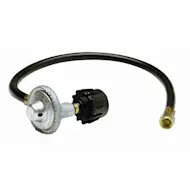
Is your gas grill not heating up like it used to? The problem might be your grill regulator.
Without a properly working regulator, your grill won’t get the right gas flow, leaving your cooking cold and frustrating. But don’t worry—you don’t need to call a professional or buy a new grill. In this guide, you’ll learn simple, step-by-step ways to fix your gas grill regulator quickly and safely.
Keep reading, and you’ll be back to grilling delicious meals in no time.
Signs Of A Faulty Regulator
The gas grill regulator controls the flow of gas to your grill. If it malfunctions, it can cause problems. Knowing the signs helps you fix it early.
Look out for these common signs to identify a faulty regulator and keep your grill safe and working well.
Irregular Flame Patterns
One sign of a bad regulator is uneven or irregular flames. Flames may flicker, sputter, or be too high or low. This happens because the gas flow is not steady.
- Flames are very yellow instead of blue
- Flames go out easily in wind
- Flames are uneven across burners
- Flames pop or make unusual noises
Gas Odor Detection
Smelling gas near your grill is a serious warning. A faulty regulator can leak gas, creating a strong odor. This is dangerous and needs immediate attention.
| Symptom | Cause | Action |
| Strong gas smell | Regulator leak | Turn off gas, check connections |
| Hissing sound | Gas escaping | Inspect regulator and hose |
| Gas smell inside grill cabinet | Faulty seal or crack | Replace regulator or parts |
Difficulty In Ignition
When the regulator is bad, your grill may be hard to light. The burner may not get enough gas to start or stay lit. This causes frustration and unsafe grilling.
Signs of ignition trouble include:
- Grill takes multiple tries to light
- Burner flame is weak or goes out
- Clicking sound but no flame

Credit: www.reddit.com
Tools And Materials Needed
Fixing a gas grill regulator needs the right tools and materials. Using proper items makes the job safe and easy.
This guide lists the tools, replacement parts, and safety gear you need to fix your grill regulator.
Basic Tool Kit
A basic tool kit helps you remove and install the regulator. It includes hand tools for loosening and tightening parts.
- Adjustable wrench for fitting nuts and bolts
- Screwdriver (flathead and Phillips) for screws
- Pliers for gripping and holding parts
- Utility knife to cut hoses if needed
- Pipe thread tape to seal connections
Replacement Parts
You need the correct replacement parts to fix a faulty regulator. Make sure parts match your grill model and gas type.
- New gas grill regulator designed for your grill
- Gas hose compatible with your grill and regulator
- Replacement hose clamps to secure the hose
- O-rings or washers if your regulator uses them
Safety Equipment
Safety is very important when working with gas. Use safety equipment to protect yourself and avoid accidents.
- Protective gloves to avoid burns and cuts
- Safety glasses to protect your eyes
- Fire extinguisher nearby in case of flare-ups
- Work in a well-ventilated outdoor area
Step-by-step Regulator Inspection
Checking your gas grill regulator is important for safety and good cooking. This guide shows how to inspect it carefully. Follow simple steps to find any problems early.
Start with turning off the gas and then look for any damage. Finally, test for leaks to be sure everything works well.
Disconnecting The Gas Supply
Always turn off the gas supply before working on the regulator. This stops gas flow and prevents accidents. Use the valve on the tank to close the gas.
Next, unscrew the regulator from the tank carefully. Keep the parts safe and check the hoses for any cracks or wear.
Visual Check For Damage
Look closely at the regulator body, hoses, and connections. Check for rust, cracks, or dents. Also, inspect the rubber seals for breaks or hardening.
- Rust or corrosion on metal parts
- Cracks or holes in hoses
- Damaged or missing rubber seals
- Dents or deformities on the regulator
- Loose connections or fittings
Leak Testing Methods
After checking for damage, test for gas leaks. Use a simple soap and water solution or a gas leak detector spray. Apply it to all joints and connections.
| Test Method | How to Use | What to Look For |
| Soap and Water | Brush solution on regulator and hose joints | Look for bubbles forming |
| Leak Detector Spray | Spray on connection points | Watch for bubbles or foam |
If you see bubbles, it means gas is escaping. Tighten connections or replace damaged parts. Never use the grill if leaks are present.
Cleaning The Regulator
Cleaning the gas grill regulator helps keep your grill working safely. Dirt and debris can block gas flow.
Regular cleaning improves the regulator’s performance and extends its life.
Removing Dirt And Debris
First, disconnect the regulator from the gas supply. Check the outside and inside for dirt and bugs.
Use a soft brush to gently remove any dirt on the surface. Be careful not to damage the parts.
- Wear gloves to protect your hands
- Use a soft brush or cloth
- Remove visible dirt and spider webs
- Do not use water at this stage
Using Compressed Air
Use compressed air to blow out dirt inside the regulator. This clears hard-to-reach spots.
Hold the regulator firmly and spray short bursts of air through the openings. Do not use too much force.
- Wear safety glasses to protect your eyes
- Hold the nozzle a few inches away
- Blow air into all openings
- Avoid spraying oil or water inside
Reassembling Components
After cleaning, put the regulator parts back in the right order. Check for damage before reassembly.
Tighten any screws or fittings securely. Make sure all parts fit well to prevent leaks.
- Inspect washers and seals for cracks
- Replace damaged parts if needed
- Reattach the regulator to the gas hose
- Test for leaks with soapy water
Replacing A Faulty Regulator
A gas grill regulator controls the flow of gas to the burners. A faulty regulator can cause uneven flames or stop the grill from lighting. Replacing it is a simple fix that improves grill safety and performance.
Before starting, make sure to turn off the gas supply and disconnect the grill from the propane tank. Safety first!
Choosing The Right Replacement
Pick a regulator that matches your grill’s gas type and pressure needs. Check your grill’s manual for specifications. Using the wrong part can cause leaks or poor performance.
- Check if your grill uses propane or natural gas.
- Match the pressure rating of the old regulator.
- Choose a regulator with the same connector type.
- Buy from a trusted supplier to ensure quality.
Proper Installation Tips
Install the new regulator carefully to avoid leaks and damage. Follow these tips for a secure and safe setup.
- Attach the regulator to the gas tank valve firmly but do not over-tighten.
- Connect the hose to the grill and regulator securely.
- Use soapy water to check for leaks after installation.
- Open the gas slowly and watch for any bubbles in the soapy water.
- Tighten connections if bubbles appear, then test again.
Securing Connections
Secure connections prevent gas leaks and keep your grill working well. Use tools and materials made for gas fittings.
| Connection Part | Recommended Tool | Safety Tip |
|---|---|---|
| Regulator to Tank | Adjustable Wrench | Do not overtighten to avoid damage |
| Hose to Regulator | Clamp or Hose Clamp Tool | Ensure clamps fit tightly without cutting hose |
| Hose to Grill | Wrench or Pliers | Check for cracks or wear regularly |

Credit: www.searspartsdirect.com
Testing After Repair
After fixing your gas grill regulator, testing is very important. It helps ensure your repair is safe and works well.
Check the gas connections, look for leaks, and watch the flame. These checks show if your grill is ready to use.
Reconnecting The Gas
Make sure the gas supply is turned off before reconnecting. Attach the regulator to the gas tank securely.
Use a wrench if needed, but do not over-tighten. A tight connection prevents gas leaks and keeps your grill safe.
Checking For Leaks
Turn on the gas supply slowly after reconnecting. Apply soapy water to the regulator and hose connections.
Bubbles show where gas is escaping. If you see bubbles, turn off the gas and fix the leak before use.
- Mix water with a little dish soap
- Brush the solution on all joints
- Look for bubbles forming
- Fix leaks immediately
Observing Flame Quality
Light the grill after no leaks appear. Watch the flame color and shape to check regulator performance.
A healthy flame is blue with small yellow tips. If the flame is mostly yellow or flickers, the regulator may need adjustment.
Preventive Maintenance Tips
Keeping your gas grill regulator in good shape helps it work safely. Regular care can stop problems before they start.
Follow simple steps to keep your grill’s regulator in top condition. This guide shows easy ways to do that.
Regular Cleaning Schedule
Clean your gas grill regulator often. Dirt and grease can block the gas flow and cause damage.
Check the regulator for dust or spider webs. Use a soft brush to remove any buildup carefully.
- Disconnect the regulator before cleaning
- Use a mild soap solution and soft cloth
- Do not use sharp tools or high pressure water
- Dry the regulator fully before reconnecting
Safe Storage Practices
Store your gas grill regulator in a dry and cool place. Avoid moisture and heat to stop rust and damage.
Keep the regulator away from chemicals and heavy items. Use a protective cover to shield it from dust.
- Turn off the gas supply before storage
- Disconnect the regulator from the gas tank
- Store upright to prevent leaks
- Keep away from direct sunlight and rain
Monitoring Performance
Watch how your gas grill regulator works each time you use it. Look for signs of low pressure or leaks.
Listen for hissing sounds and smell for gas leaks. Replace the regulator if it shows weak performance or damage.
- Check regulator hose and connections for cracks
- Test for leaks using soapy water on joints
- Replace regulator if flame is weak or uneven
- Schedule regular inspections before grilling season
When To Call A Professional
Fixing a gas grill regulator can be simple, but some problems need expert help. Knowing when to call a professional keeps you safe and saves time.
This guide explains the signs that mean you should stop and get a trained technician to handle the issue.
Complex Issues
Some regulator problems are too tricky for basic repairs. Complex issues can cause more damage if not fixed right.
- Regulator not maintaining pressure properly
- Internal valve damage or corrosion
- Gas leaks that you cannot find or fix
- Broken or worn-out internal parts
- Repeated regulator failure after repair
Safety Concerns
Gas leaks and faulty regulators can cause fires or explosions. Safety risks are the most important reason to call a professional.
| Safety Issue | Why Call a Professional |
| Gas Leak Smell | Experts can find and fix hidden leaks safely |
| Burning Smell or Flames | Technicians can check for dangerous flame problems |
| Regulator Overheating | Professionals know how to replace or repair safely |
| Hissing Sounds | Indicates gas escape needing expert repair |
Warranty Considerations
Many grills have warranties that cover regulator issues. Fixing the regulator yourself can void the warranty.
- Check your grill’s warranty terms before repair
- Professional repairs often keep the warranty valid
- Unauthorized fixes may cause denial of future claims
- Authorized technicians use approved parts

Credit: www.youtube.com
Frequently Asked Questions
How Do I Know If My Gas Grill Regulator Is Bad?
A faulty regulator causes uneven flames or no flame at all. Check for gas smell or hissing sounds. If the grill won’t light or the flame is weak, the regulator likely needs replacement or repair.
Can I Fix A Gas Grill Regulator Myself?
Yes, basic issues like clogs or leaks can be fixed safely by you. Always disconnect the gas supply first. Use soapy water to check for leaks and clean the regulator. For complex problems, consult a professional.
How Long Does A Gas Grill Regulator Last?
A typical gas grill regulator lasts about 5 to 10 years. Exposure to weather and frequent use can shorten its lifespan. Regular inspection and maintenance help ensure it functions properly longer.
What Causes A Gas Grill Regulator To Fail?
Regulators fail due to dirt buildup, rust, or physical damage. Extreme temperatures and improper storage also cause wear. Regular cleaning and protecting the grill from harsh weather extend regulator life.
Conclusion
Fixing your gas grill regulator can seem tough at first. But with patience and the right tools, it’s doable. Start by checking for leaks and cleaning the regulator. Replace it if needed. Safety is key, so double-check your work. This way, your grill runs smoothly and safely.
Regular maintenance prevents future problems. Enjoy hassle-free grilling with a properly working regulator. Now, you’re ready to fire up and cook delicious meals. Keep grilling fun and safe. Happy grilling!