
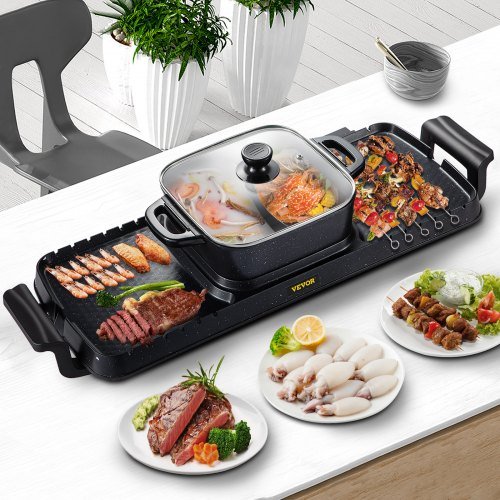
When you fire up your electric grill, you want your food to cook perfectly every time. But how hot should your electric grill actually get?
Too low, and your meal might end up undercooked and boring. Too high, and you risk burning your food or damaging the grill. Finding the right temperature is the secret to juicy steaks, crispy veggies, and mouthwatering burgers. You’ll discover exactly how hot your electric grill needs to be for different foods, so you can impress your family and friends with every meal.
Keep reading to unlock the perfect grilling temperature and become the master of your electric grill.
Credit: www.walmart.com
Ideal Temperature Ranges
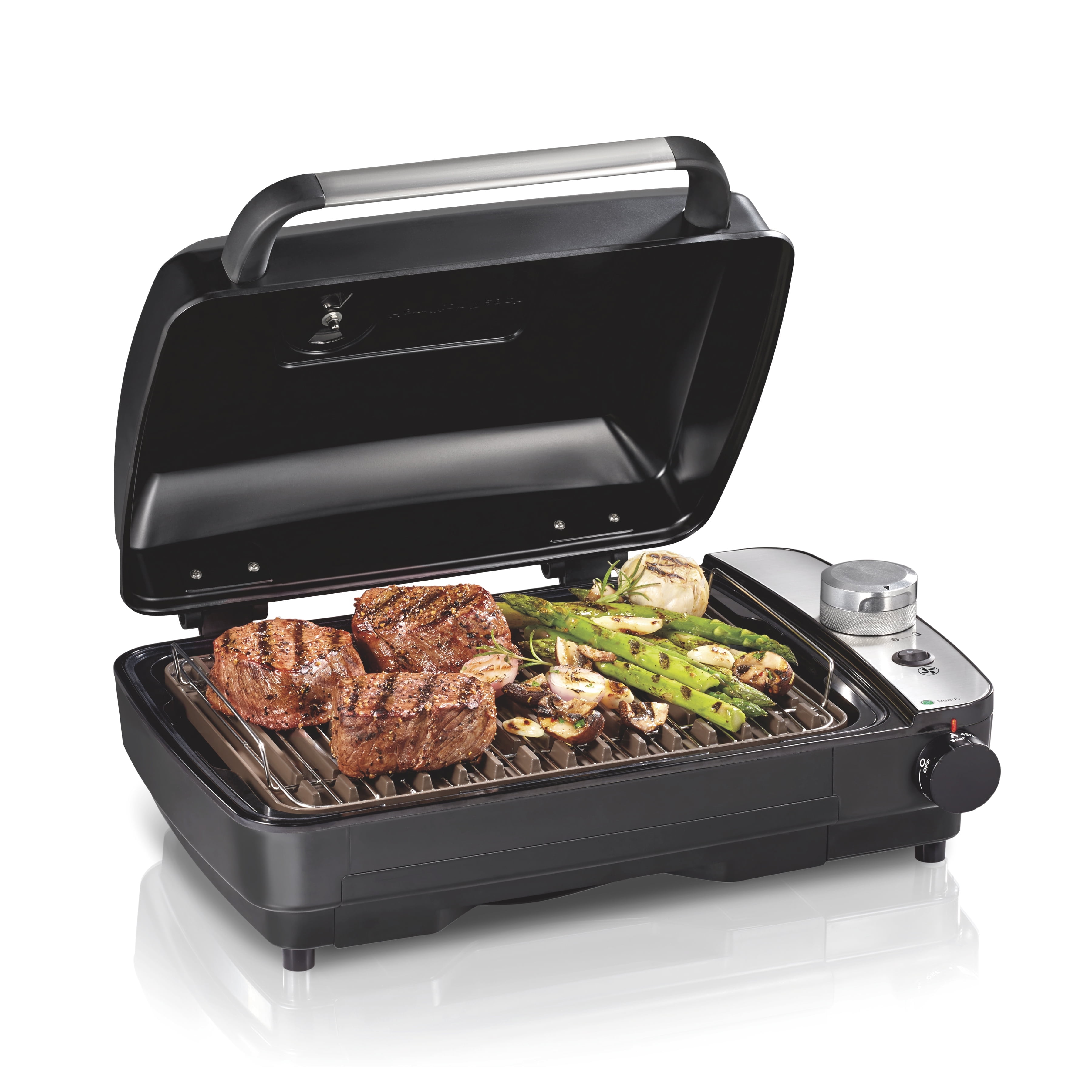
Electric grills need the right temperature for good cooking results. Knowing the right heat level helps you cook food evenly.
Different foods require different temperatures. This guide explains low, medium, and high heat settings for electric grills.
Low Heat Settings
Low heat usually means 200°F to 300°F (93°C to 149°C). It is good for slow cooking and warming food.
Use low heat for delicate foods like fish, vegetables, or reheating leftovers. It prevents burning and overcooking.
- Ideal for slow cooking
- Good for soft vegetables
- Best for fish and reheating
Medium Heat Settings
Medium heat is between 300°F and 400°F (149°C to 204°C). It works well for most grilling tasks.
This setting is great for cooking chicken, burgers, and pork. It cooks food evenly without burning outside.
- Perfect for chicken and burgers
- Good for pork and vegetables
- Cooks food evenly
High Heat Settings
High heat means 400°F to 450°F (204°C to 232°C) or more. It is best for searing and quick cooking.
Use high heat for steaks and thick cuts. It creates a nice crust and seals in juices fast.
- Best for searing steaks
- Great for thick cuts
- Quick cooking with crust
Credit: www.foodnetwork.com
Temperature For Different Foods
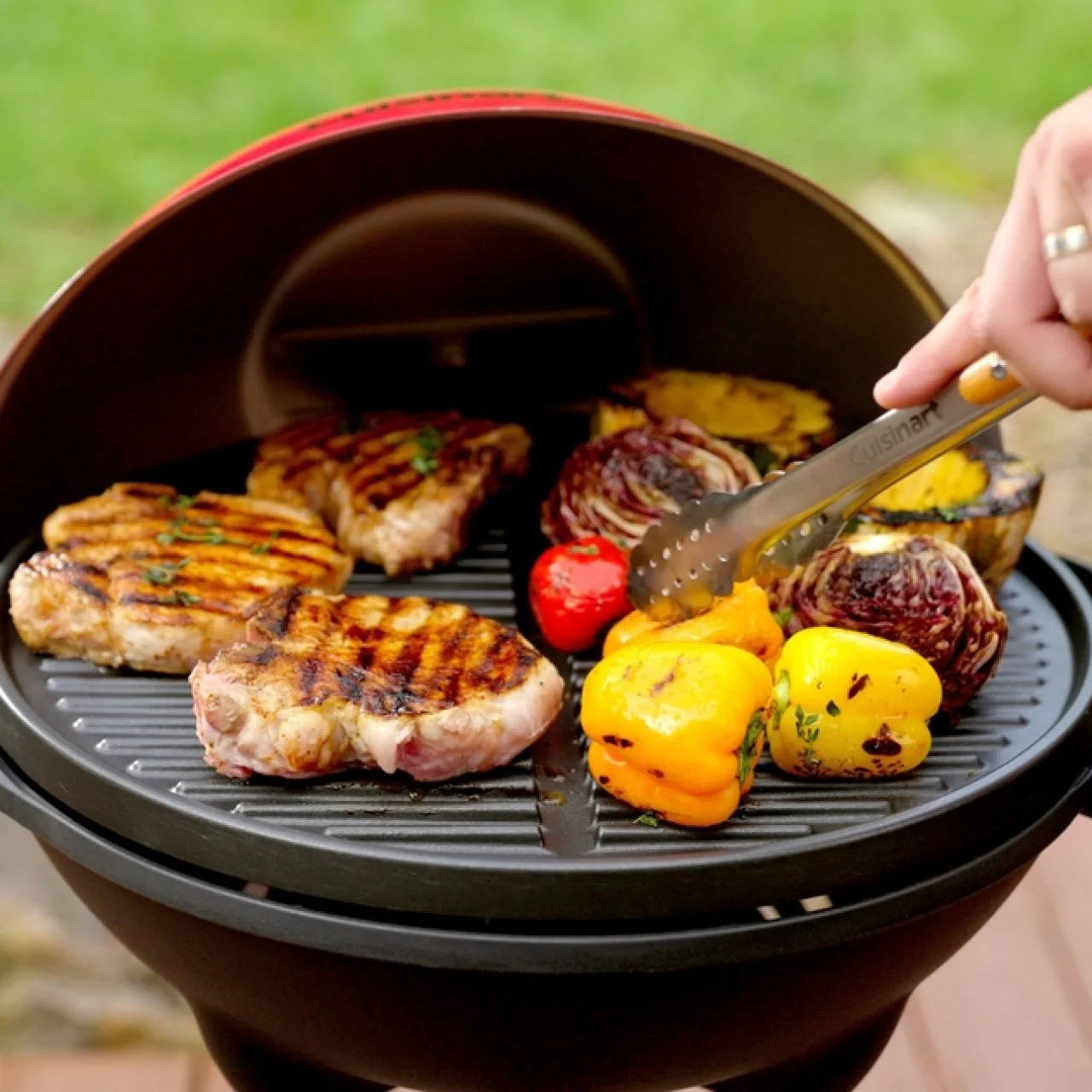
Electric grills need the right temperature for different foods. Cooking at the correct heat keeps food tasty and safe.
Using the right grill temperature helps food cook evenly. It also stops food from burning or staying raw inside.
Vegetables
Vegetables cook best at medium heat. This temperature cooks them through without burning the outside.
Set your electric grill to about 350°F (175°C) for most vegetables. This keeps them crisp and juicy.
- Peppers and zucchini: 350°F
- Asparagus and mushrooms: 350°F
- Onions and corn: 350°F
Seafood
Seafood cooks quickly and needs medium-high heat. Too hot can dry it out fast.
Set the grill to about 375°F to 400°F (190°C to 205°C). This temperature cooks fish and shrimp well.
- Fish fillets: 375°F
- Shrimp and scallops: 400°F
- Shellfish: 375°F
Chicken
Chicken needs a medium to medium-high heat. This cooks it safely and keeps it juicy.
Grill chicken at 375°F to 400°F (190°C to 205°C). Check that the inside reaches 165°F (74°C) for safety.
- Chicken breasts: 375°F
- Thighs and drumsticks: 400°F
- Chicken wings: 375°F
Beef And Pork
Beef and pork cook well at high heat. This sears the outside and keeps juices inside.
Set the grill to 400°F to 450°F (205°C to 230°C). Use a thermometer to check doneness for safety.
- Steaks and chops: 450°F
- Burgers: 400°F
- Pork ribs: 400°F
Factors Affecting Grill Temperature
Electric grills must reach the right temperature to cook food well. Different things can change how hot the grill gets.
Knowing these factors helps you use your grill better and cook tasty meals every time.
Grill Type And Model
Different electric grills have different heating abilities. Some models heat up faster and get hotter than others.
Compact grills might not reach very high temperatures. Larger or more powerful models can get very hot for searing meat.
- Basic grills usually heat up to about 400°F (204°C)
- High-end models can reach 500°F (260°C) or more
- Grills with adjustable thermostats allow better temperature control
Ambient Temperature
The weather outside affects how hot your electric grill gets. Cold or windy days can lower the grill temperature.
Hot and calm weather helps the grill reach and keep higher temperatures easily.
- Cold weather cools the grill faster
- Wind can blow heat away from the grill surface
- Using the grill in a sheltered spot helps keep heat steady
Grill Maintenance
Keeping your electric grill clean and in good shape helps it heat properly. Dirt and grease buildup can block heat.
Regular cleaning and checking the parts helps the grill work at the right temperature every time.
- Clean grill plates after each use
- Check heating elements for damage
- Replace worn or broken parts quickly
How To Measure Grill Temperature
Knowing the temperature of your electric grill helps cook food perfectly. You can check the heat with different tools. Each tool gives you a clear idea of how hot the grill is.
Here are common ways to measure your grill’s temperature. These methods are easy to use and improve your grilling results.
Built-in Thermometers
Many electric grills come with built-in thermometers on the lid. These show the temperature inside the grill chamber. They give a quick idea of how hot the grill is.
Keep in mind, built-in thermometers measure air temperature, not the grill surface. Sometimes, the surface can be hotter or cooler than the reading.
Infrared Thermometers
Infrared thermometers measure the surface temperature without touching it. Point the device at the grill surface and pull the trigger. It quickly shows the exact heat level.
- Hold the thermometer 2 to 3 inches from the grill surface.
- Avoid shiny or wet spots for accurate reading.
- Take several readings to check heat across the surface.
Using A Grill Surface Thermometer
Grill surface thermometers sit directly on the grill grate. They measure the temperature where the food cooks. This method gives a true sense of how hot your cooking area is.
| Type | Where It Measures | Pros | Cons |
|---|---|---|---|
| Built-in Thermometer | Inside grill air | Always attached, easy to read | May not reflect surface heat |
| Infrared Thermometer | Grill surface (non-contact) | Quick and accurate spot readings | Requires aiming, multiple checks needed |
| Grill Surface Thermometer | Directly on grill grate | Shows real cooking surface heat | Needs placement, may get dirty |
Tips For Maintaining Optimal Heat
Keeping the right temperature on an electric grill helps cook food evenly. It also prevents burning or undercooking.
Use these tips to control heat and get better grilling results every time.
Preheating Techniques
Always preheat your electric grill before cooking. This helps the surface reach a steady temperature.
- Turn the grill on 10 to 15 minutes before cooking.
- Close the lid during preheating to trap heat.
- Use a grill thermometer to check if it has reached the right heat.
Adjusting Heat During Cooking
Adjust the heat to match the type of food and cooking style. Some foods need high heat, others low.
| Food Type | Suggested Temperature |
| Steak | 400°F to 450°F (204°C to 232°C) |
| Chicken | 350°F to 375°F (177°C to 190°C) |
| Vegetables | 325°F to 375°F (163°C to 190°C) |
| Fish | 300°F to 350°F (149°C to 177°C) |
Avoiding Temperature Fluctuations
Keep the grill lid closed as much as possible. Opening it lets heat escape and causes temperature swings.
- Do not open the lid too often while cooking.
- Check the electric grill’s power settings if temperatures change suddenly.
- Clean the grill regularly to remove grease buildup that can affect heat.
Common Mistakes With Grill Temperature
Cooking on an electric grill needs the right temperature. Many people make errors that affect the food’s taste and texture.
Knowing the right heat level can help you avoid burning or undercooking your meals. Let’s look at common mistakes.
Cooking At Too High Heat
Setting the grill too hot can burn food outside while leaving it raw inside. This happens often with thick cuts of meat.
- Food cooks unevenly and loses moisture.
- Burnt outside tastes bitter and dry.
- More flare-ups can cause safety issues.
- It is harder to control cooking time.
Underheating The Grill
Using too low heat makes food cook slowly and unevenly. This can cause food to stay in the danger zone for bacteria growth.
| Issue | Effect |
| Slow cooking | Food dries out or stays raw inside |
| Longer cook time | Wastes energy and time |
| Risk of bacteria | Food safety problems |
Ignoring Temperature Control
Not adjusting the grill temperature during cooking can spoil your meal. Different foods need different heat levels.
- Preheat the grill before cooking
- Use the temperature dial to adjust heat
- Check the food often to avoid burning
- Lower heat for delicate foods like fish
- Raise heat for quick searing
Credit: www.vevor.com
Frequently Asked Questions
What Is The Ideal Temperature For An Electric Grill?
The ideal electric grill temperature ranges between 350°F to 450°F. This range cooks most foods evenly and safely. Higher temperatures are great for searing, while lower heat suits delicate items like vegetables.
How Hot Do Electric Grills Get On Average?
Electric grills typically reach temperatures from 400°F to 500°F. This heat level allows efficient cooking of meats, fish, and vegetables. Some models offer adjustable settings for precise temperature control.
Can Electric Grills Get As Hot As Gas Grills?
Electric grills can get nearly as hot as gas grills, usually up to 500°F. However, gas grills may heat faster and reach higher maximum temperatures. Both types effectively cook most meals with proper technique.
How Long Does It Take An Electric Grill To Heat Up?
Most electric grills take 5 to 10 minutes to reach optimal cooking temperature. Preheating ensures even cooking and better grill marks. Always wait until the grill signals readiness before cooking.
Conclusion
Finding the right heat for your electric grill matters a lot. Too low, and food cooks slowly and unevenly. Too high, and food can burn outside while staying raw inside. Aim for medium to high heat for most grilling tasks.
Always preheat the grill before placing food on it. Adjust heat based on what you cook. This helps you get tasty, well-cooked meals every time. Practice makes perfect. Enjoy grilling with confidence and great results.