
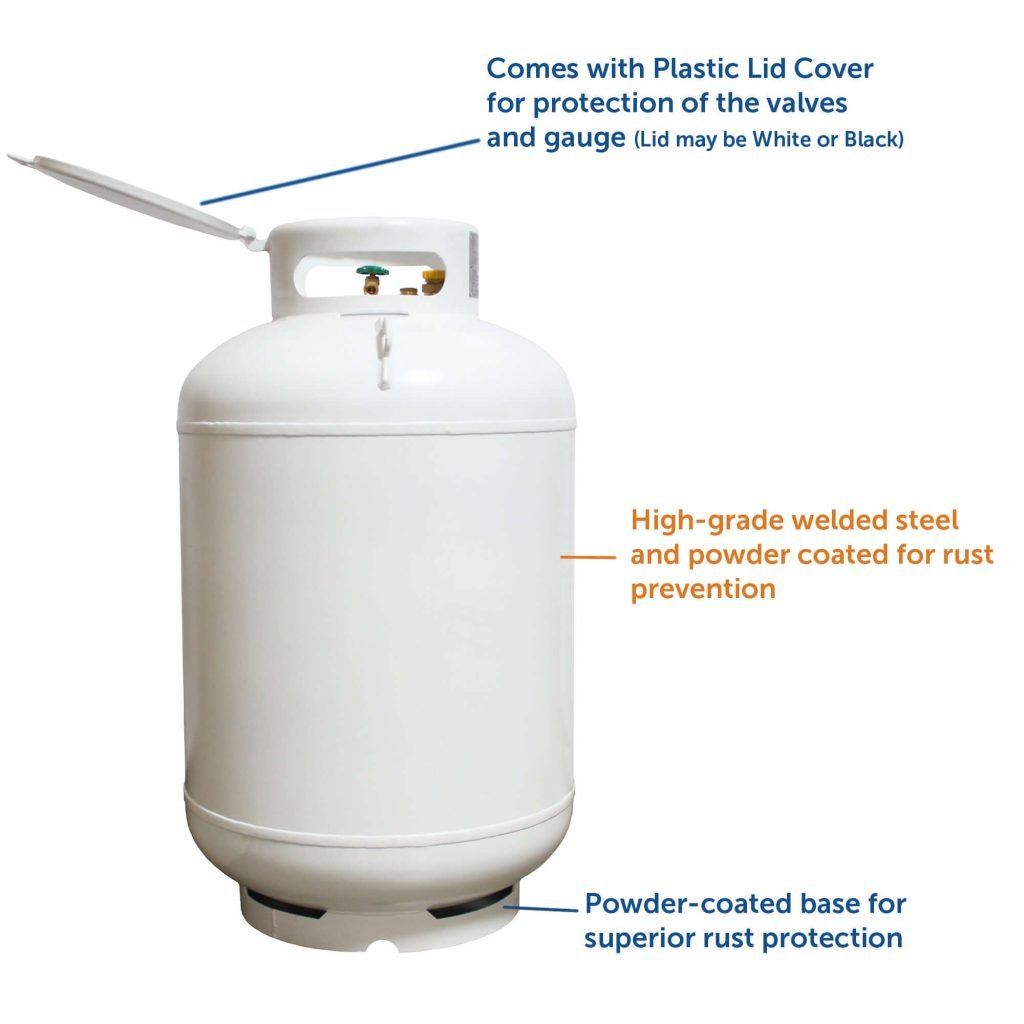
Choosing the right propane tank for your gas grill can make all the difference in your grilling experience. If your tank is too small, you’ll run out of fuel mid-cook, ruining your meal and your plans.
Too big, and you might be paying for more than you need or struggling with heavy equipment. You want to get it just right—enough fuel to keep the flames going without any hassle. You’ll discover exactly what size propane tank fits your grill and lifestyle, so you can enjoy every barbecue without a hitch.
Keep reading to find the perfect match for your next cookout.
Choosing Propane Tank Sizes
Selecting the right propane tank size is important for your gas grill. The size affects how long your grill can run before refilling.
Different tanks hold different amounts of propane. You want a tank that fits your cooking needs and storage space.
Common Propane Tank Options
The most common propane tank used for grills is a 20-pound tank. It is easy to carry and fits most grills.
Other sizes include 5, 10, 30, and 40-pound tanks. Larger tanks last longer but are heavier and less portable.
- 5-pound tanks are small and good for portable grills.
- 10-pound tanks hold more propane but are still easy to move.
- 20-pound tanks are standard for home grills.
- 30 and 40-pound tanks are for heavy use or larger grills.
Tank Capacity And Usage Time
Tank capacity tells you how much propane a tank holds. More propane means longer cooking time without refills.
The cooking time also depends on grill heat settings and usage. Higher heat uses more propane quickly.
| Tank Size (lbs) | Approximate Propane (gallons) | Estimated Grill Time (hours) |
|---|---|---|
| 5 | 1.2 | 4-6 |
| 10 | 2.4 | 8-12 |
| 20 | 4.7 | 16-20 |
| 30 | 7.1 | 24-30 |
| 40 | 9.4 | 32-40 |
Calculating Grill Fuel Needs
Choosing the right propane tank size depends on your grill’s fuel use. You need to understand how much fuel your grill consumes.
This guide helps you calculate fuel needs based on your grill’s power and usage habits.
Grill Btu Ratings Explained
BTU means British Thermal Unit. It shows how much heat your grill produces per hour. Higher BTU means more gas used.
| Grill Size | BTU Rating (per hour) |
| Small | 8,000 – 12,000 |
| Medium | 12,000 – 20,000 |
| Large | 20,000 – 30,000 |
Estimating Cooking Duration
Think about how long you grill each time. This helps find how much gas you will use.
- Short cook: 30 minutes or less
- Medium cook: 30 to 60 minutes
- Long cook: more than 60 minutes
Frequency Of Grill Use
How often you grill affects propane needs. Grillers who cook daily need bigger tanks than occasional users.
- Weekly: small tank may be enough.
- Several times a week: medium tank recommended.
- Daily or large meals: consider a large tank.
Benefits Of Different Tank Sizes
Choosing the right propane tank size for your gas grill matters. Different sizes offer various benefits for your grilling needs.
Knowing these benefits helps you pick a tank that fits your lifestyle and cooking habits.
Portability And Convenience
Small propane tanks are easy to carry and store. They are perfect for tailgating, camping, or small balconies.
Larger tanks hold more fuel but are heavier. They work well if you grill often and stay in one place.
- Small tanks weigh less and fit in tight spaces
- Large tanks last longer without refilling
- Choose size based on how often you move your grill
Cost Efficiency
Large propane tanks cost more upfront but save money over time. They reduce the number of refills you need.
Small tanks are cheaper but require more frequent refills. This can add to your overall cost if you grill a lot.
- Large tanks lower the price per use
- Small tanks have lower initial cost
- Balance cost with how often you grill
Refill And Replacement Factors
Refilling large tanks takes longer but happens less often. They may need professional service for safety checks.
Small tanks are easier to replace or exchange at many stores. This adds convenience if you grill occasionally.
- Large tanks need fewer refills but more care
- Small tanks are quick to swap or refill
- Consider refill options near your home
Credit: crystalflash.com
Safety Tips For Propane Tanks
Using propane tanks safely is very important. These tanks power gas grills and other appliances. Knowing how to handle and store them can keep you and your family safe.
This guide covers three key areas: proper storage, handling and transport, and leak detection. Follow these tips to avoid accidents.
Proper Storage Practices
Store propane tanks in a cool, dry place. Keep them outside or in well-ventilated areas. Avoid storing tanks near heat sources or in direct sunlight.
- Keep tanks upright on a flat surface.
- Do not store tanks inside your home or garage.
- Make sure the valve is closed tightly when not in use.
- Keep tanks away from flammable materials.
Handling And Transporting Tanks
Handle propane tanks carefully to avoid damage. When moving tanks, keep them upright and secure. Avoid dropping or rolling tanks on the ground.
| Do | Don’t |
| Keep valve caps on | Leave valves open |
| Secure tanks in vehicle | Transport tanks in closed trunks |
| Check tanks for damage before use | Use damaged tanks |
Leak Detection And Prevention
Check for leaks regularly. Use soapy water on connections. Bubbles mean a leak is present. Never use a flame to check for leaks.
- Turn off the gas if you smell propane.
- Do not use damaged hoses or connectors.
- Replace old or worn parts promptly.
- Store tanks away from electrical equipment.
Maintaining Your Propane Tank
Keeping your propane tank in good shape is important for safety. Regular care helps your gas grill work well.
Simple checks can prevent leaks and other problems. Learn how to inspect and know when to replace your tank.
Regular Inspection Routines
Check your propane tank before each use. Look for rust, dents, or leaks on the surface. Make sure the valve and connections are tight.
- Inspect the tank body for cracks or rust spots
- Check the valve for damage and proper sealing
- Use soapy water to find leaks around fittings
- Ensure the tank is stored upright in a safe place
- Keep the tank away from heat sources and flames
Tank Lifespan And Replacement Signs
Propane tanks last many years but do not last forever. Know when your tank needs replacing to stay safe.
| Tank Age | Condition | Action |
| Less than 10 years | Good condition, no rust or dents | Use and inspect regularly |
| 10 years or older | Check for corrosion and damage | Consider replacing soon |
| Any age | Visible cracks, leaks, or severe rust | Replace immediately |
Credit: webergrill.my.site.com
Alternative Fuel Options
Choosing the right fuel for your gas grill is important. Many people use propane tanks, but there are other options too.
This guide explains the differences between natural gas and propane. It also talks about using bigger tanks or more tanks.
Natural Gas Vs. Propane
Natural gas connects to your home’s gas line. It flows continuously, so you don’t need to refill tanks.
Propane comes in tanks you must refill or replace. It is portable and easy to move around.
- Natural gas is cheaper but less portable
- Propane works well in places without gas lines
- Natural gas requires professional installation
- Propane tanks come in different sizes for flexibility
Using Larger Tanks Or Multiple Tanks
Using a larger propane tank means you refill less often. Common sizes include 20, 30, and 40 pounds.
Some people use two or more tanks with a switch system. This setup lets you grill longer without stopping.
- Larger tanks hold more fuel and last longer
- Multiple tanks need a regulator and switch valve
- Be sure to check local rules for tank sizes
- Keep tanks away from heat and flames for safety

Credit: www.lowes.com
Frequently Asked Questions
What Size Propane Tank Fits Most Gas Grills?
A 20-pound propane tank is the standard size for most gas grills. It offers a good balance of fuel capacity and portability. This size typically lasts 18-20 hours of grilling, making it ideal for regular use and easy to refill or replace.
How Long Does A 20-pound Propane Tank Last?
A 20-pound propane tank lasts about 18 to 20 hours of grilling on medium heat. Usage time varies with grill size and cooking temperature. It’s perfect for weekend barbecues and casual grilling without frequent refilling.
Can I Use A Larger Propane Tank For My Grill?
Yes, you can use larger tanks, like 30 or 40 pounds, for extended grilling sessions. Larger tanks need proper regulators and more space but reduce refilling frequency. Always check your grill’s specifications before upgrading tank size.
Is A 5-pound Propane Tank Enough For Grilling?
A 5-pound propane tank is suitable for small grills or portable models. It provides limited grilling time, usually 4-6 hours. Ideal for camping or tailgating but may require frequent refills for regular home use.
Conclusion
Choosing the right propane tank size helps your grill work best. Small tanks fit small grills and short cookouts. Large tanks hold more gas for longer grilling times. Know how often you grill and how long you cook. This helps pick a tank that matches your needs.
Safe use and storage also matter a lot. A proper tank size keeps your grill running smoothly. Enjoy tasty meals without running out of fuel. Simple choices make grilling easy and fun every time.