
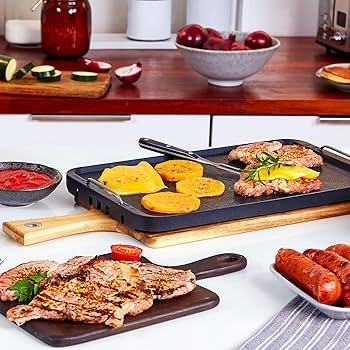
Are you torn between choosing an electric grill or a stovetop grill pan for your kitchen? Both have their perks, but picking the right one can change the way you cook your favorite meals.
Imagine grilling juicy burgers or perfectly seared veggies with ease—sounds great, right? This guide will help you discover which option fits your lifestyle, cooking style, and taste buds best. Keep reading to find out how each grill works and which one will make your cooking experience better and more enjoyable.
Electric Grill Features
Electric grills offer a convenient way to cook indoors. They heat food evenly and fast.
This type of grill is different from stovetop grill pans. It has special features to improve cooking.
Design And Build
Electric grills are made with a flat or ridged cooking surface. They often have a non-stick coating.
The body is usually sturdy and heat-resistant. Many have handles that stay cool to touch.
- Non-stick cooking plate for easy food release
- Compact size for countertop use
- Cool-touch handles for safe handling
- Drip trays to collect fat and juices
Heating Mechanism
Electric grills use built-in heating elements. These elements warm the cooking surface directly.
The heat spreads evenly to cook food without hot spots. The grill heats up quickly for fast cooking.
- Electric coil or plate heats the surface
- Even heat distribution for consistent cooking
- Fast warming for quick meal prep
Temperature Control
Most electric grills have adjustable temperature settings. This control lets you cook different foods well.
Some models have dials or digital panels. They maintain steady heat without much effort.
- Variable heat settings for different recipes
- Easy-to-use dials or buttons
- Consistent temperature during cooking
Cleaning And Maintenance
Electric grills often have removable plates. This makes cleaning simple and quick.
Non-stick surfaces reduce food sticking. Drip trays catch grease to keep the area clean.
- Removable plates for easy washing
- Non-stick coating prevents food residue
- Drip tray collects excess fat and juices
- Wipe the body with a damp cloth
:max_bytes(150000):strip_icc()/faw-le-creuset-signature-cast-iron-10-25in-square-skillet-grill-pan-nsimpson-17-1-1e486def36c5412fa26c15e94a7eb40d.jpeg)
Credit: www.foodandwine.com
Stovetop Grill Pan Features
Stovetop grill pans offer a simple way to grill food indoors. They create grill marks and add smoky flavors to your dishes.
Understanding their key features helps you choose the best pan for your cooking needs.
Material And Construction
Most stovetop grill pans are made from cast iron or aluminum. Cast iron holds heat well and lasts a long time.
Aluminum pans heat quickly and are lighter but may not keep heat evenly. Some pans have a non-stick coating for easy cooking.
- Cast iron: durable and heat-retaining
- Aluminum: lightweight and fast heating
- Non-stick coating: easier food release and cleaning
- Ridges: create grill marks and allow fat to drain
Heat Distribution
Good heat distribution means food cooks evenly. Cast iron pans spread heat slowly but keep it steady.
Aluminum pans heat fast but may have hot spots. Look for pans with thick bases to improve heat spread.
- Cast iron heats evenly and retains heat well
- Aluminum heats quickly but may have uneven spots
- Thick bases help distribute heat better
Compatibility With Cooktops
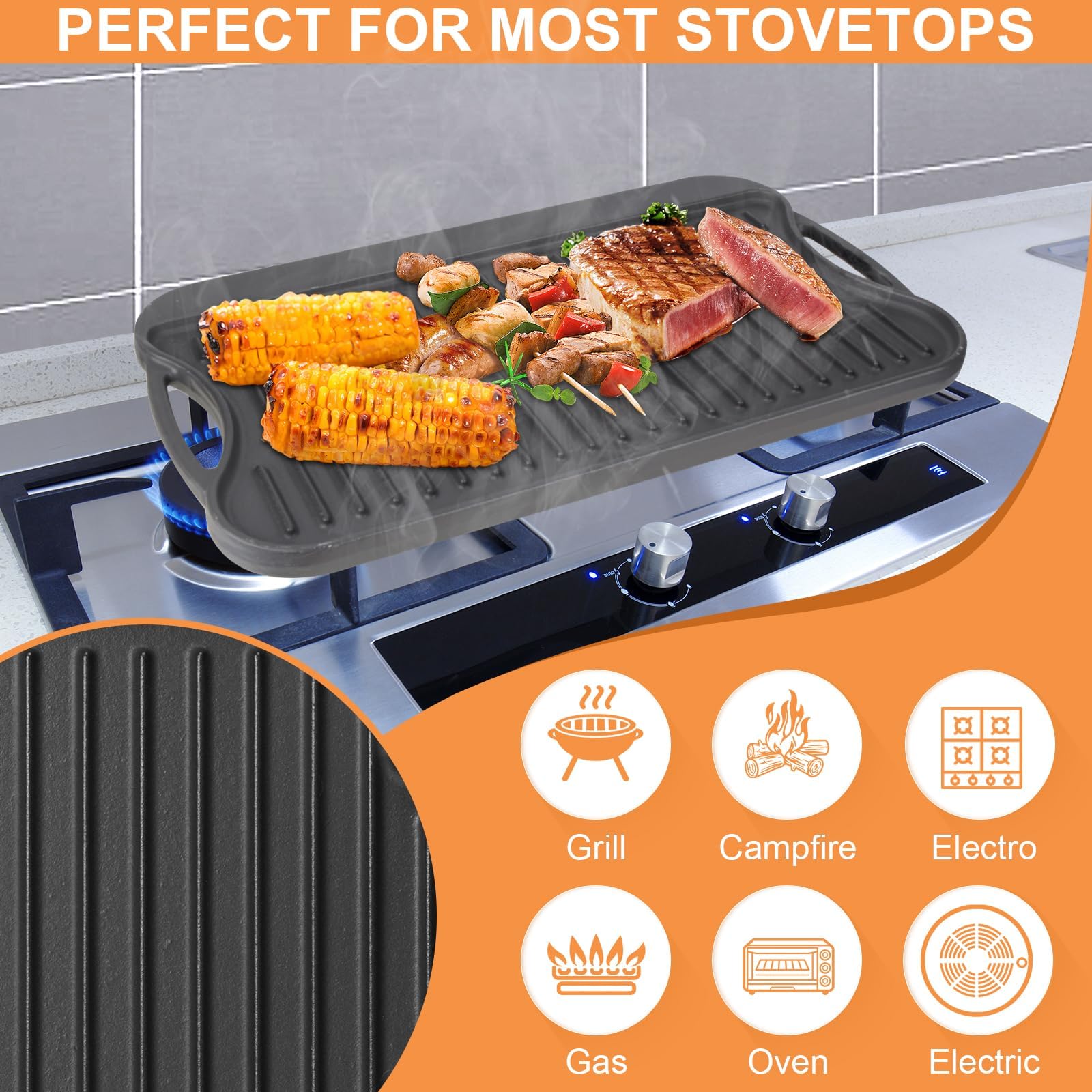
Stovetop grill pans work on gas, electric, and ceramic cooktops. Cast iron pans are heavy but stable on all surfaces.
Check if your pan works with induction cooktops. Not all pans are compatible with induction heating.
- Gas cooktops: suitable for all pans
- Electric cooktops: works with most pans
- Ceramic cooktops: smooth surface suits flat pans
- Induction cooktops: requires magnetic base pans
Care And Cleaning
Cast iron pans need seasoning to keep them non-stick and rust-free. Avoid soap and dry them well after washing.
Non-stick pans are easier to clean but need gentle care. Use soft sponges and avoid metal utensils to protect the coating.
- Cast iron: season regularly and dry thoroughly
- Non-stick: clean with soft sponges, avoid harsh scrubbers
- Avoid dishwasher use for both types to keep pans lasting longer
Cooking Performance
Choosing between an electric grill and a stovetop grill pan affects how your food cooks. Each tool offers a different cooking experience and results.
Understanding their strengths helps you pick the right one for your kitchen and meals.
Flavor And Grill Marks
Electric grills give consistent heat that cooks food evenly. They produce clear grill marks and a smoky flavor if designed with smoke vents.
Stovetop grill pans create good sear marks and add flavor through direct contact with the pan’s ridges. They may not give the same smoky taste as electric grills.
Cooking Speed
| Type | Heat Time | Cooking Speed |
| Electric Grill | 5-10 minutes | Medium |
| Stovetop Grill Pan | 2-5 minutes | Fast |
Electric grills take longer to heat but maintain steady temperatures. Stovetop grill pans heat quickly but need more attention to keep heat even.
Versatility With Different Foods
- Electric grills handle large cuts of meat and vegetables well.
- Stovetop grill pans work better for small or delicate foods like fish or sandwiches.
- Both tools can cook a variety of foods but differ in ease of use and cleaning.
Choosing the right grill depends on the foods you cook most often and your kitchen setup.

Credit: www.amazon.com
Convenience And Usability
Choosing between an electric grill and a stovetop grill pan depends on how easy and convenient they are to use. Both tools help you grill food indoors but work in different ways.
We will look at their portability, ease of use, and safety to help you understand which fits your kitchen and lifestyle better.
Portability And Storage
Electric grills are usually bigger and need a power source. This makes them less portable. You can only use them where there is electricity.
Stovetop grill pans are smaller and lighter. You can easily move them and store them in a cabinet or drawer. They do not need electricity, so you can use them anywhere there is a stove.
- Electric grills need space for the device and cord
- Stovetop pans fit in small kitchen spaces
- Stovetop pans can be used on any compatible stove
- Electric grills require a flat surface near an outlet
Ease Of Use
Electric grills heat up quickly and keep a steady temperature. You can set the heat level and cook food evenly without watching it too much.
Stovetop grill pans need you to control the stove heat. This takes more attention. You may need to adjust the heat to avoid burning or undercooking.
- Electric grills have adjustable temperature controls
- Stovetop pans need manual heat adjustment
- Electric grills often have non-stick surfaces
- Stovetop pans may require oil to prevent sticking
Safety Considerations
Electric grills have built-in safety features like automatic shutoff and heat guards. They reduce the risk of burns and fires.
Stovetop grill pans get very hot and can cause burns if touched. You must handle them carefully and keep children away while cooking.
- Electric grills often have cool-touch handles
- Stovetop pans get hot quickly and stay hot
- Electric grills may turn off if left unattended
- Stovetop pans need close supervision during use
Cost And Value
Choosing between an electric grill and a stovetop grill pan depends on cost and value. Understanding the expenses helps you decide which fits your budget.
This guide looks at initial costs, energy use, and product lifespan to give a clear picture.
Initial Investment
Electric grills usually cost more upfront than stovetop grill pans. The price reflects added features like temperature controls and non-stick surfaces. Stovetop grill pans are simpler and cheaper.
- Electric grills range from $50 to $200
- Stovetop grill pans range from $20 to $60
- Electric grills may need extra accessories
- Stovetop pans work with existing cookware
Energy Consumption
Electric grills use electricity directly and can be less efficient if used often. Stovetop pans rely on your stove’s fuel, such as gas or electric. Fuel costs vary by location and stove type.
| Type | Energy Source | Energy Cost |
| Electric Grill | Electricity | Moderate to High |
| Stovetop Grill Pan | Gas or Electric Stove | Low to Moderate |
Longevity And Durability
Both options last long if cared for properly. Electric grills have electronic parts that may wear out. Stovetop pans are usually made of cast iron or aluminum, which can last decades.
Tips for lasting use:
- Clean after each use
- Avoid metal utensils on non-stick surfaces
- Store in a dry place
- Check electric grill cords and parts regularly
Best Uses And Recommendations
Choosing between an electric grill and a stovetop grill pan depends on your cooking needs. Both tools offer unique benefits for grilling indoors.
This guide explains the best uses for each and helps you decide which fits your kitchen and lifestyle.
Ideal Cooking Scenarios
Electric grills work well for quick and even cooking with less smoke. They are perfect for grilling meats and vegetables indoors.
Stovetop grill pans give you more control over heat. They suit recipes needing high heat or a sear, like steaks or fish.
- Electric grills: burgers, chicken breasts, vegetables
- Stovetop grill pans: steaks, fish fillets, panini sandwiches
- Both: grilling indoors without outdoor space
User Preferences
People who want convenience like electric grills. They heat up fast and often have temperature controls.
Those who enjoy cooking with precise heat prefer stovetop grill pans. They respond quickly to changes in stove temperature.
| Preference | Electric Grill | Stovetop Grill Pan |
| Ease of Use | High | Medium |
| Temperature Control | Automatic | Manual |
| Cleaning | Easy | Moderate |
| Portability | Medium | High |
Space And Lifestyle Factors
Electric grills need counter space and a power outlet. They suit kitchens with enough room and electrical access.
Stovetop grill pans save space and fit in small kitchens. They work well if you prefer cooking on a gas or electric stove.
- Electric Grill:Best for homes with spacious kitchens and outlets.
- Stovetop Grill Pan:Ideal for small kitchens and easy storage.
- Lifestyle:Choose electric grills for quick meals and stovetop pans for traditional cooking.
Credit: www.amazon.com
Frequently Asked Questions
What Are The Benefits Of An Electric Grill?
Electric grills offer convenience and indoor use, making them perfect for year-round cooking. They heat up quickly and maintain consistent temperatures. Additionally, they are easy to clean and require less maintenance than traditional grills. Their compact size makes them ideal for small spaces, like apartments or balconies.
How Does A Stovetop Grill Pan Work?
A stovetop grill pan mimics outdoor grilling by using raised ridges to create grill marks. It allows you to cook on a stove, providing an indoor grilling experience. The pan distributes heat evenly, ensuring food is cooked thoroughly. It’s a versatile tool, perfect for grilling meat, vegetables, and more.
Which Is Healthier: Electric Grill Or Grill Pan?
Both electric grills and grill pans can be healthy cooking options. They allow excess fat to drip away from food. Electric grills often have non-stick surfaces, reducing the need for added oils. Grill pans provide similar benefits if used with minimal oil.
Both promote healthier cooking methods.
Can I Use A Grill Pan On An Electric Stove?
Yes, you can use a grill pan on an electric stove. Ensure the pan has a flat bottom for even heat distribution. It’s important to preheat the pan for optimal cooking results. Grill pans work well on most stovetops, including electric, offering a convenient indoor grilling option.
Conclusion
Choosing between an electric grill and a stovetop grill pan depends on your needs. Electric grills offer convenience and quick heating. Stovetop grill pans give more control over cooking. Both can make tasty, healthy meals. Think about space, budget, and cooking style.
Small kitchens may prefer electric grills. People who like stove control may pick grill pans. Both tools help you enjoy grilled food at home. Try both if you can, to see what suits you best. Cooking should be simple and fun.