
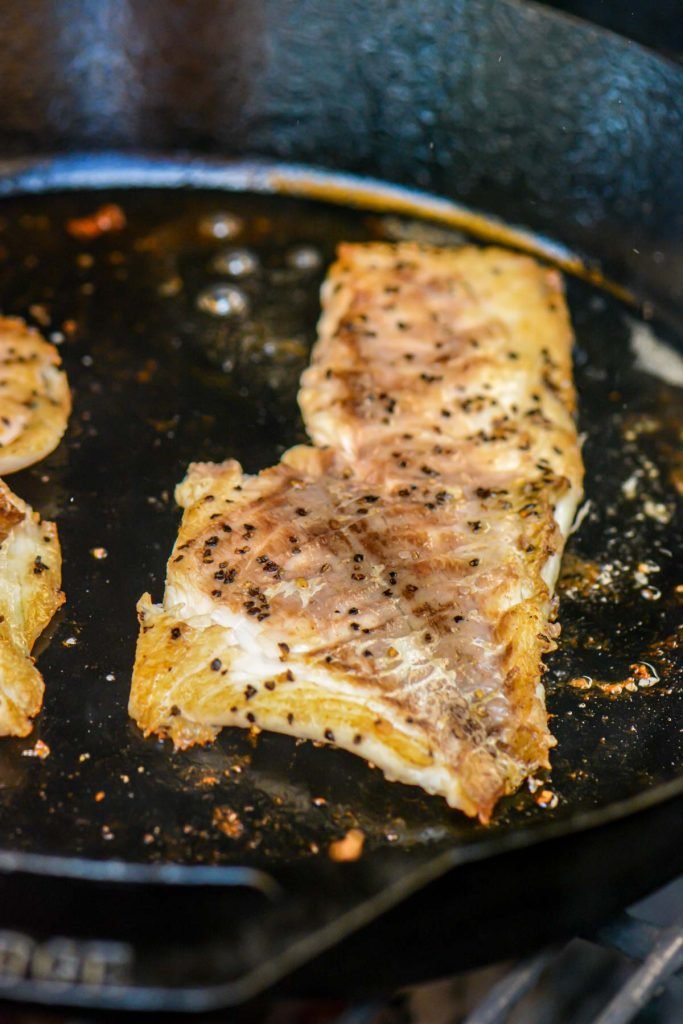
Are you ready to take your fish frying skills to the next level? Frying fish in a cast iron skillet on your grill gives you a crispy, golden crust with a smoky flavor you can’t get from a regular pan.
But it’s not as simple as just heating the skillet and dropping in the fish. You need the right technique to avoid sticking, burning, or undercooking. In this guide, you’ll learn step-by-step how to master frying fish in a cast iron skillet on your grill, so every bite is perfectly cooked and full of flavor.
Keep reading, and you’ll soon impress yourself—and your guests—with restaurant-quality fried fish made right at home.
Choosing The Right Fish
Choosing the right fishis key for frying in a cast iron skillet on the grill. Fish with firm flesh holds up well during frying. Examples include catfish, tilapia, cod, and snapper. These types cook evenly and stay crispy.
Fresh fishtastes better than frozen. Fresh fish smells clean and feels moist. Frozen fish should be thawed fully before cooking. This helps avoid sogginess and uneven cooking.
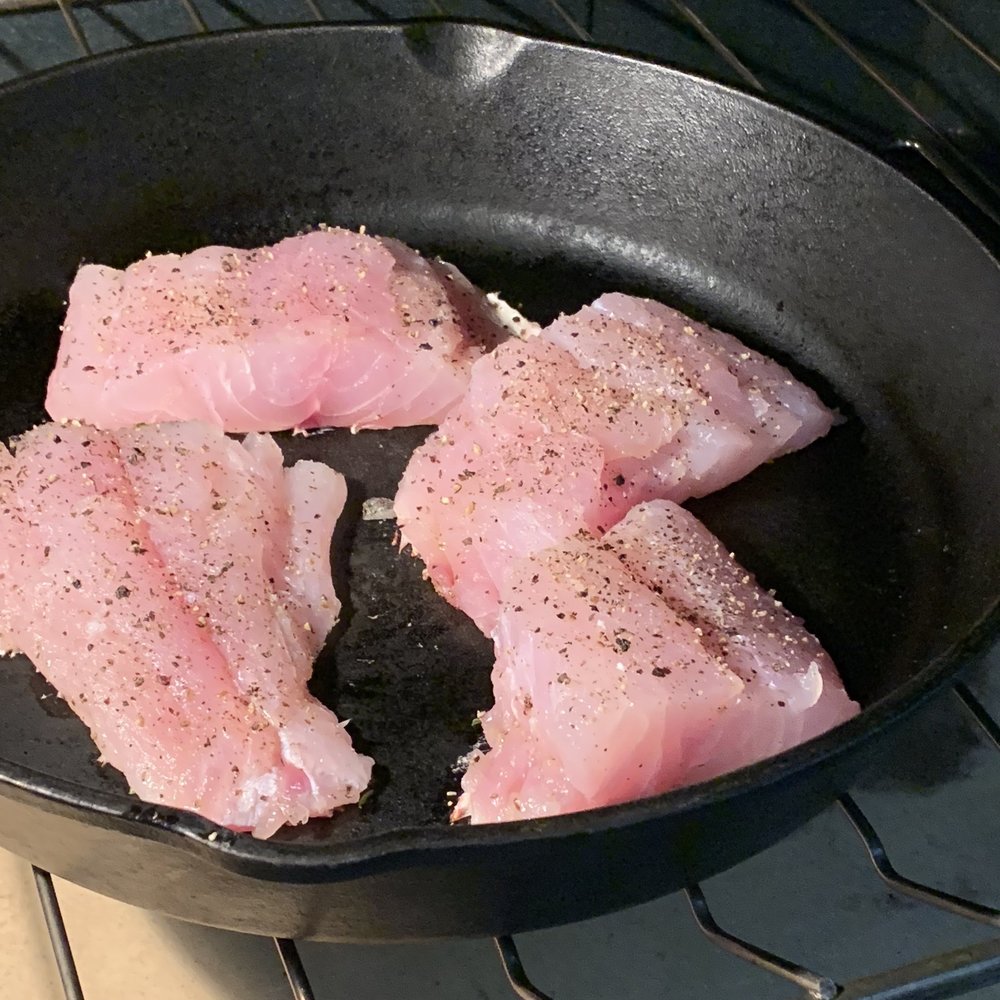
Preparing fish fillets right makes a big difference. Pat the fillets dry with paper towels. This removes extra moisture for crispier skin. Lightly season with salt and pepper or your favorite spices. Let the fillets rest at room temperature for 10-15 minutes before frying.
Selecting The Cast Iron Skillet
Choosing the right cast iron skilletsize is important for grilling fish. A skillet that is too largecan be heavy and hard to handle. Too smallmeans less space for cooking multiple pieces. A 10 to 12-inch skilletis usually best for grilling fish. It fits well on most grills and holds enough fish for a meal.
Seasoning your skillet keeps food from sticking and protects the surface. Use vegetable oilor flaxseed oilfor best results. After each use, clean the skillet with hot waterand a brush. Avoid soap to keep the seasoning strong.
- Preheat the skillet on the grill before adding fish.
- Use medium heat for even cooking.
- Keep the skillet lid closed to keep heat steady.
- Use oil to prevent sticking and add flavor.
Preparing The Grill
Set the grill for indirect heat. This means turning on burners on one side only. Place the cast iron skillet on the cooler side. This stops the fish from burning and cooks it evenly.
Control the grill temperature by adjusting the burners. Keep it between 350°F and 400°F. Use a grill thermometer for accuracy. Too hot will burn the fish. Too low will cook it slowly and dry it out.
- Wear heat-resistant gloves when handling the skillet.
- Keep a spray bottle of water nearby to control flare-ups.
- Use long-handled tools to avoid burns.
- Keep children and pets away from the grill area.
- Never leave the grill unattended while cooking.
Coating The Fish
Choosing the right breading helps the fish cook well and stay crispy. Common options include flour, cornmeal, and panko breadcrumbs. Flour makes a light crust, while cornmeal gives a crunchy texture. Panko breadcrumbs create a thick, crispy coating that holds well on the fish.
Marinating the fish adds flavor and keeps it moist. Simple marinades use lemon juice, garlic, and olive oil. Let the fish sit in the marinade for 15 to 30 minutes. Avoid long marinating to keep the fish fresh and firm.
Dredging prepares the fish for frying. First, pat the fish dry with paper towels. This step helps the breading stick better. Dip the fish in beaten eggs or buttermilk to moisten it. Then, coat the fish evenly with the breading. Press gently to make sure the coating sticks well.
Frying Process
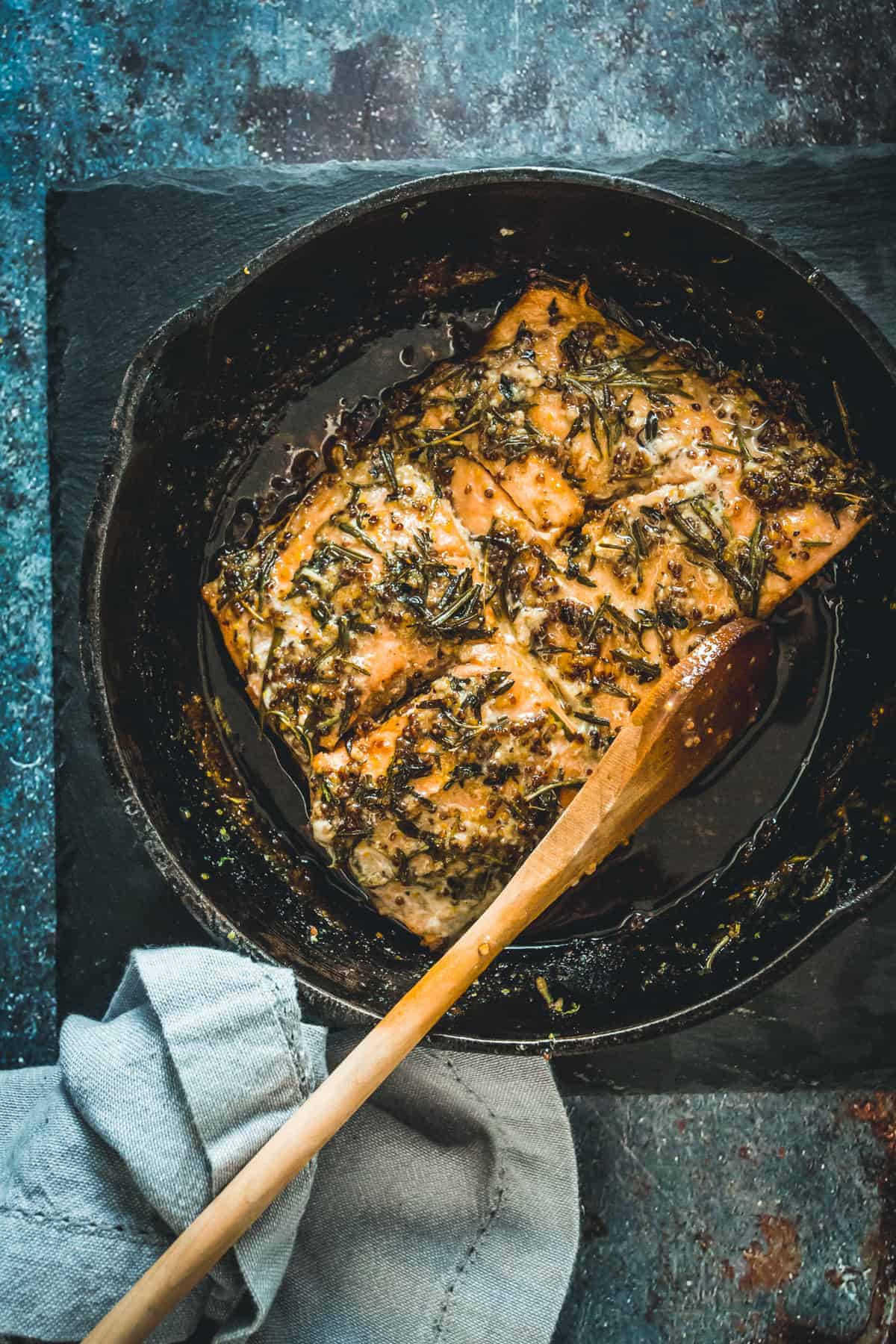
Pour enough oilinto the cast iron skillet to cover the bottom. Use oils with a high smoke point, like vegetable or canola oil. Heat the skillet on the grill until the oil shimmersbut does not smoke. This shows it is hot and ready for frying.
Maintain a grill temperature of about 350°F to 375°F. Cook fish for 3 to 5 minuteson one side. The exact time depends on the thickness of the fish. Avoid lowering the heat too much to keep the oil hot.
- Flip the fish gently using a spatula.
- Check if the fish is golden brown and crispy.
- Fish is done when it flakes easily with a fork.
- Do not overcook; it becomes dry and tough.
Credit: immigrantstable.com
Achieving Perfect Crispiness
Oil temperatureshould stay between 350°F and 375°F for perfect frying. Too low, and the fish will absorb oil, becoming soggy. Too high, and the outside burns before the inside cooks. Use a thermometer to keep the oil steady.
Avoid soggy fish by patting it drybefore cooking. Excess moisture causes oil to bubble and cool, making the fish greasy. Also, do not overcrowd the skillet. Space lets heat circulate for even cooking.
- Preheat the skillet well before adding fish.
- Use medium heat to allow even browning.
- Flip fish only once to keep crust intact.
- Use a thin layer of oil to crisp the surface.
Serving Suggestions
Complementary saucesbrighten the fried fish flavor. Tartar sauce adds a creamy, tangy touch. Lemon garlic aioli offers a zesty bite. Salsa verde brings a fresh, herbal note. Choose sauces that balance the crispy fish texture.
For side dishes, simple is best. Serve with coleslaw for crunch and creaminess. Corn on the cob adds sweetness and color. Grilled vegetables match the smoky flavor of the fish. Rice or potato salad makes the meal filling and hearty.
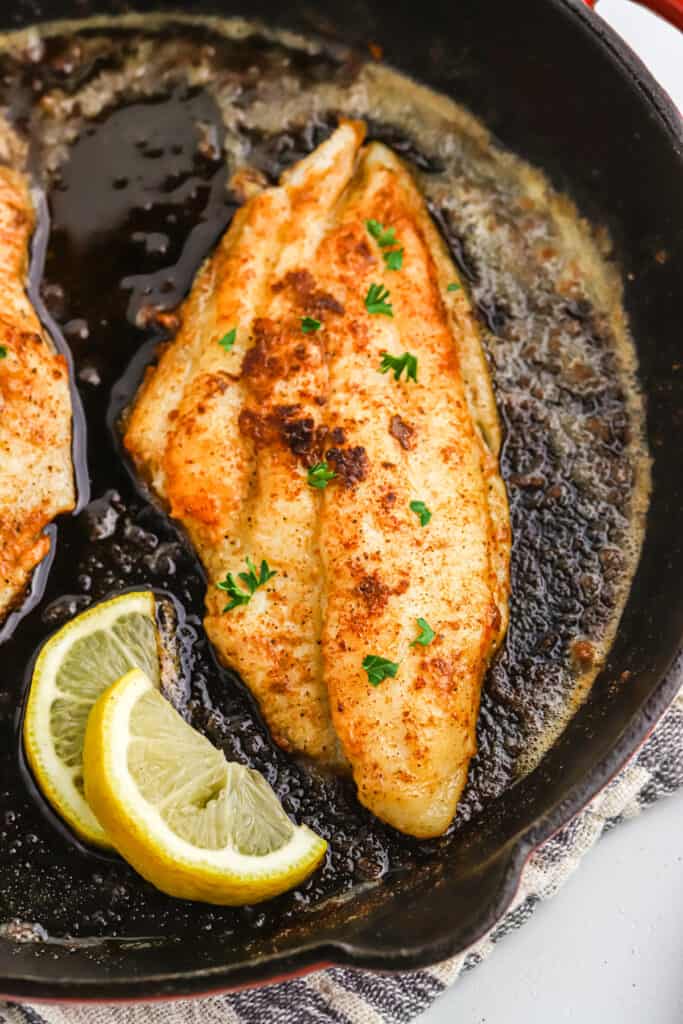
Presentation tipsmake your dish look inviting. Use fresh herbs like parsley or dill as garnish. Serve fish on a wooden board or bright plate. Add lemon wedges for color and extra zest. Keep sides neat, and avoid overcrowding the plate.
Credit: tasting-health.com
Cleaning And Caring For Your Skillet
Clean the skillet right after cooking. Use warm water and a soft brush or sponge. Avoid soap because it can strip the seasoning. For stuck-on food, soak the skillet briefly in warm water.
Dry the skillet well to stop rust. Place it on low heat for a few minutes to evaporate all moisture. Once dry, apply a thin layer of cooking oil to the surface to protect it.
- Heat the skillet slightly before oiling.
- Use a paper towel to spread oil evenly.
- Wipe off extra oil to prevent sticky buildup.
- Store in a dry place with good air flow.
- Place a paper towel inside to absorb moisture.
- Keep the lid off or slightly open to avoid rust.
Credit: grandbaby-cakes.com
Frequently Asked Questions
How Do You Prepare A Cast Iron Skillet For Grilling Fish?
To prepare, preheat the cast iron skillet on the grill. Lightly oil the skillet to prevent sticking. Ensure the skillet is hot before adding fish for even cooking.
What Type Of Fish Is Best For Frying In Cast Iron?
Firm, thick fish like salmon, cod, or catfish work best. They hold together well and cook evenly in the cast iron skillet on the grill.
How Do You Prevent Fish From Sticking To The Skillet?
Use a well-seasoned cast iron skillet and preheat it properly. Apply a thin layer of oil on both the skillet and fish before cooking.
What Is The Ideal Grill Temperature For Frying Fish?
Maintain medium-high heat, around 375°F to 400°F. This temperature cooks fish evenly and crisps the outside without burning it.
Conclusion
Frying fish in a cast iron skillet on a grill is simple. Follow the steps, and enjoy tasty results. The cast iron retains heat well. This ensures even cooking. Grilling adds a smoky flavor. It enhances the fish’s taste naturally.
Always use fresh fish for the best flavor. Season it with your favorite spices. A hot skillet prevents sticking. Keep an eye on the cooking time. Overcooking can make fish dry. Practice makes perfect. Soon, you’ll impress your friends with your grilling skills.
Enjoy your delicious, perfectly fried fish every time.