
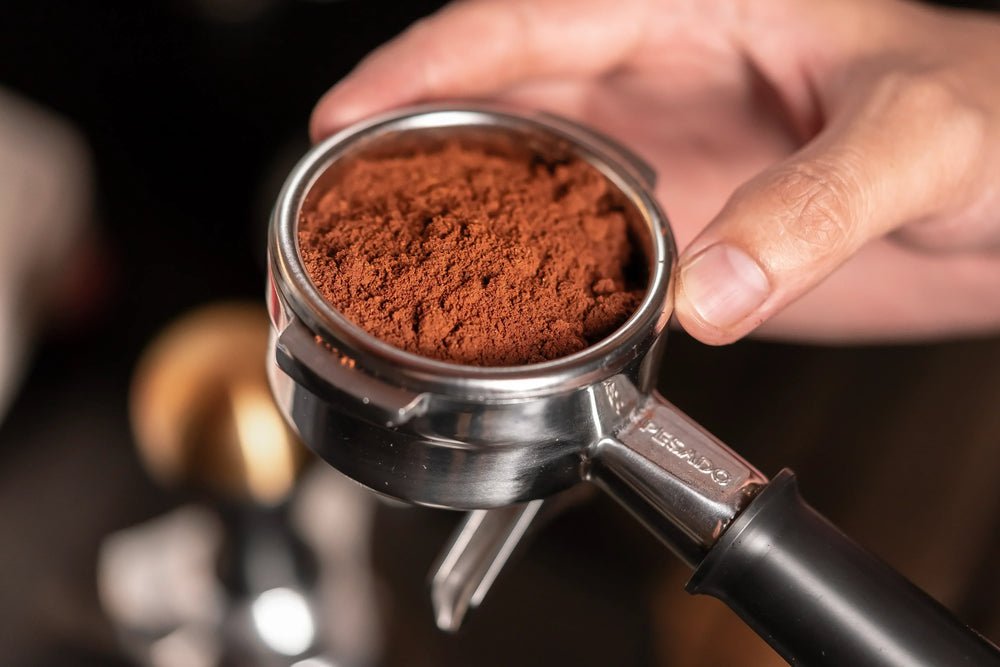
If you want to make a perfect espresso at home, how you grind your coffee beans matters more than you might think. The right grind unlocks rich flavors and that smooth, bold taste you crave.
But getting it just right can be tricky. In this guide, you’ll discover simple, effective tips to grind your coffee for espresso like a pro. By the end, you’ll know exactly how to bring out the best in your beans and enjoy a café-quality shot every time.
Keep reading—your perfect espresso is closer than you think.
Choosing The Right Coffee Beans
Choosing the right coffee beans is keyfor a good espresso. The best beansare usually dark roasted. They bring out a rich and bold flavor. Beans from regions like Colombia, Brazil, and Ethiopia work well.
Freshness mattersa lot. Fresh beans keep the coffee’s aroma and taste strong. Buy whole beans and grind them just before brewing. This keeps the coffee flavorful and smooth.
Selecting Your Grinder
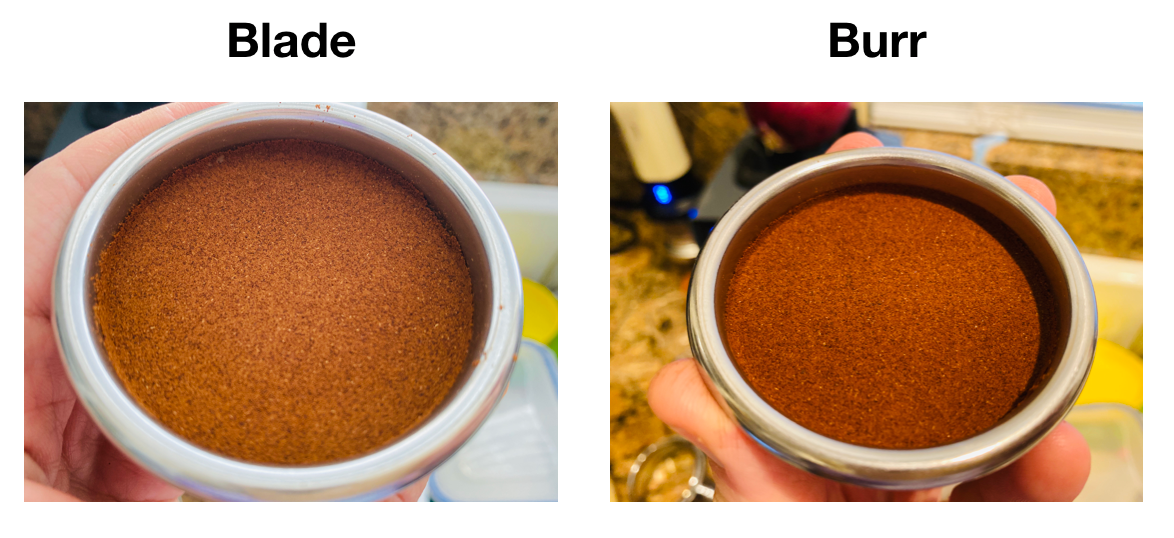
The choice between bladeand burr grindersaffects coffee taste and consistency. Blade grinders chop beans unevenly. This can lead to inconsistent espresso extraction. Burr grinders crush beans between two surfaces for even grounds. This creates a better espresso flavorand texture.
Manual grinders use hand power. They are quiet, affordable, and portable. Electric grinders are faster and need less effort. They offer more grind settingsfor control.
| Type | Advantages | Disadvantages |
|---|---|---|
| Blade Grinder | Affordable, simple | Uneven grind, less control |
| Burr Grinder | Consistent grind, better flavor | More expensive, larger size |
| Manual Grinder | Quiet, portable, affordable | Requires effort, slower |
| Electric Grinder | Fast, easy, precise | Noise, higher cost |
Grind Size For Espresso
Grind sizeplays a key role in making espresso. Too coarse, and the water flows too fast. Too fine, and the water struggles to pass through. This affects the taste and strengthof your coffee.
Finding the right grind means aiming for a texture like table salt. This lets water extract the best flavors within 25-30 seconds. If the grind is off, the espresso can taste bitter or weak.
- Too coarse: weak and watery espresso
- Too fine: bitter and over-extracted coffee
- Just right: rich, smooth, balanced flavor
Adjust the grind size slowly. Small changes make a big difference. Test and taste often to get your perfect espresso shot.
Credit: medium.com
Grinding Techniques
Consistent grindingis key for a good espresso shot. Use a burr grinderto get even coffee particles. Avoid blade grinders, as they create uneven sizes. Set your grinder to a fine setting, but not too powdery.
- Grind the coffee right before brewing for freshness.
- Measure the amount of coffee to keep it consistent.
- Clean your grinder regularly to avoid old coffee residue.
- Adjust grind size slightly if the espresso tastes too bitter or weak.
Avoid common mistakeslike using uneven grind sizes. This causes bad extraction. Don’t grind too coarse or too fine. Too fine can block water flow; too coarse makes weak coffee. Avoid letting ground coffee sit long before brewing. It loses flavor quickly.
Adjusting Grind For Taste
The grind sizechanges how coffee tastes in espresso. A finer grindmakes the water take longer to pass through. This can make the coffee taste bitteror strong. A coarser grindlets water pass faster, making the coffee souror weak.
Taste changes with small grind adjustments. Try these tips:
- Grind finer to reduce acidity.
- Grind coarser to lower bitterness.
- Keep notes on your changes for best results.
Adjust grind size little by little. Taste after each change. This helps find the right balancebetween bitternessand acidity.

Credit: rmckeon.medium.com
Maintaining Your Grinder
Cleaning the grinderkeeps coffee fresh and tastes better. Use a small brush to remove old coffee grounds daily. Wipe the outside with a damp cloth to avoid dust build-up. Avoid water inside the grinder unless the manufacturer says it is safe.
Regular deep cleaninghelps the grinder work well for years. Take apart the burrs or blades carefully. Clean them with a brush or cloth. Make sure everything is dry before reassembling.
The grinder lasts longer with good care. Avoid grinding oily or flavored coffee beans that can clog the machine. Store the grinder in a dry place. Check for loose screws or worn parts often.
- Brush out coffee dust after each use
- Clean burrs or blades every few weeks
- Keep grinder dry and away from moisture
- Use only dry, fresh beans
- Check parts and tighten screws regularly
Troubleshooting Grind Issues
Grind size affects espresso taste and extraction time. Adjust the grinder to fix too fast or slow brewing. Check for clogs or uneven grind to improve coffee quality.
Grind Too Coarse Or Fine
Coarse grindcan make espresso weak and watery. The water flows too fast through the coffee. Fine grindmakes espresso bitter and over-extracted. Water struggles to flow, causing too much pressure.
Adjust your grinder by small steps. Test the espresso after each change. Find the right balance for your machine.
Dealing With Uneven Extraction
- Uneven grind size causes uneven extraction.
- Use a burr grinder for consistent particle size.
- Distribute coffee evenly in the portafilter.
- Tamp with steady, even pressure for a flat surface.
- Clean your grinder regularly to avoid clumps.
Credit: planetarydesign.com
Frequently Asked Questions
What Grind Size Is Best For Espresso?
The best grind size for espresso is fine and consistent. It allows optimal extraction and rich flavor. Avoid too coarse or too powdery grinds to prevent weak or bitter espresso.
How Does Grind Size Affect Espresso Taste?
Grind size controls extraction rate. Finer grinds increase extraction and bitterness. Coarser grinds under-extract, causing sourness. Proper grind size balances flavor, aroma, and crema in espresso.
Can I Use A Blade Grinder For Espresso?
Blade grinders are not ideal for espresso. They create uneven particle sizes, causing inconsistent extraction. Burr grinders provide uniform grind size, essential for perfect espresso.
How Often Should I Adjust Grind Size For Espresso?
Adjust grind size whenever you change beans or notice taste differences. Espresso extraction depends on grind consistency, so fine-tune to maintain flavor and crema quality.
Conclusion
Grinding coffee for espresso takes practice and patience. The right grind size makes a big difference in taste. Too coarse or too fine affects the flavor and texture. Use a good grinder and adjust it little by little. Pay attention to how your espresso tastes and feels.
Keep experimenting until you find what works best for you. Enjoy the rich, bold flavors that fresh ground coffee brings. A perfect grind helps you brew espresso like a pro. Simple steps, better coffee every time.