
If you want the perfect cup of pour over coffee, grinding your beans just right is key. But how long should you grind your coffee beans to get the best flavor?
Too short, and your coffee might taste weak. Too long, and it could turn bitter or over-extracted. You might be wondering how to find that sweet spot. Keep reading, because understanding the right grind time can completely change your coffee game and help you enjoy every single sip.
Let’s dive into what you need to know to get your grind time spot on.

Credit: www.tasteofhome.com
Grind Size For Pour Over
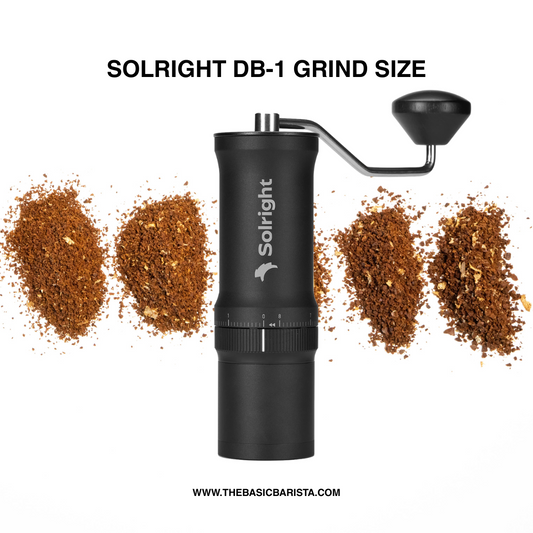
The grind sizeaffects how coffee brews in pour over. Coarse grounds are bigger, letting water flow fast. This causes under-extraction, making coffee weak and sour. Medium grounds offer a balanced brew with good flavor. Fine grounds slow water, leading to over-extraction. This can taste bitter or harsh.
Extraction depends on grind size:
- Coarse:Fast water flow, less flavor.
- Medium:Balanced flow and taste.
- Fine:Slow flow, strong taste.
| Grind Size | Visual Look | Extraction Effect |
|---|---|---|
| Coarse | Like sea salt, big pieces | Under-extracted, weak and sour |
| Medium | Like sand, small but visible grains | Balanced flavor, proper extraction |
| Fine | Like sugar, very small grains | Over-extracted, bitter taste |

Credit: angelinos.com
Grinding Time And Equipment
Blade grinders work fast but grind unevenly. Grinding time is about 10-15 secondsfor pour over. Short bursts help avoid overheating beans. The grind size may vary, so check texture often.
Burr grinders offer a consistent grind size. For pour over, grind for about 20-30 secondson a medium setting. Burr grinders crush beans evenly, giving better flavor extraction.
| Type of Grinder | Grinding Time | Notes |
|---|---|---|
| Blade Grinder | 10-15 seconds | Grinds unevenly, use short bursts |
| Burr Grinder | 20-30 seconds | Consistent grind, better flavor |
- Manual grindersrequire more time and effort but give control.
- Electric grindersare faster and easier to use.
- Manual grinding suits those who want a hands-on experience.
- Electric grinders fit busy routines and quick brewing.
Factors Affecting Grinding Time
Bean typeand roast levelaffect grinding time. Darker roasts are softer and grind faster. Lighter roasts are harder and take longer. Different beans vary in hardness too.
Grinder qualityand settingschange the grind speed. A sharp burr grinder works quicker than a blade grinder. Fine settings take more time than coarse ones.
Batch sizealso matters. Grinding a large amount takes longer than a small amount. Consistency in grind size is key for good coffee taste.
| Factor | Effect on Grinding Time |
|---|---|
| Bean Type and Roast Level | Darker roasts grind faster; lighter roasts take longer |
| Grinder Quality and Settings | Better grinders and coarser settings reduce grind time |
| Batch Size and Consistency | Larger batches take more time; uniform grind improves flavor |
Optimizing Grind For Taste
Grind size affects how long water touches the coffee grounds. A fine grindlets water pass slowly, making a stronger taste. A coarse grindlets water flow fast, creating a lighter taste.
Shorter brew times need a coarser grind. Longer brew times need a finer grind. Aim for a grind that lets water flow in about 2.5 to 3.5 minutes.
Too fine a grind causes bitterness. Too coarse a grind causes acidity. Adjust grind size to find the right balancefor your taste.
| Problem | Cause | Fix |
|---|---|---|
| Bitter coffee | Grind too fine | Make grind coarser |
| Sour coffee | Grind too coarse | Make grind finer |
| Slow drip | Grind too fine or packed | Coarsen grind or loosen grounds |
| Fast drip | Grind too coarse | Finer grind needed |
Tips For Consistent Grinding
Measuring grind time accuratelyhelps achieve the right coffee texture. Use a timer or stopwatch to track how long the grinder runs. Different grinders need different times for the perfect grind. Small changes in time can change the taste. Always measure in seconds, not minutes.
Maintaining your grinderkeeps the machine working well. Clean the burrs and remove leftover grounds often. This stops clogging and keeps the grind consistent. Check for dull blades and replace parts if needed. Regular care extends the grinder’s life.
Recording and refining settingshelps find the best grind size. Write down the grind time and how the coffee tastes. Adjust the time bit by bit to improve flavor. Keep notes to repeat good results every time.

Credit: www.youtube.com
Frequently Asked Questions
How Long Should I Grind Coffee Beans For Pour Over?
Grind coffee beans for about 15 to 20 seconds for a medium-coarse texture. This ensures balanced extraction and optimal flavor for pour over brewing.
Does Grind Time Affect Pour Over Coffee Taste?
Yes, grind time impacts the particle size, influencing extraction and taste. Too coarse or fine grind affects flavor balance and brewing time.
What Grind Size Is Ideal For Pour Over Coffee?
A medium-coarse grind, similar to sea salt, works best. It allows proper water flow and extraction, resulting in a clean, flavorful cup.
Can Grinding Coffee Too Long Harm Pour Over Flavor?
Grinding too long produces fine particles, causing over-extraction and bitterness. Keep grinding time short to maintain clarity and prevent harsh tastes.
Conclusion
Grinding coffee beans for pour over needs care and attention. Grind time affects the coffee’s taste and strength. Aim for a medium-fine grind and adjust by seconds. Too short means coarse grounds; too long makes powder. Small changes can make a big difference in flavor.
Practice and taste will help find the best timing. Enjoy the process as much as the coffee itself. Perfect grind time leads to a smooth, balanced cup every time. Keep experimenting to match your personal preference.