
Are you waking up with a sore jaw or headaches and wondering why? You might be grinding your teeth at night without even realizing it.
This common problem can cause serious damage to your teeth and affect your sleep quality. But don’t worry—there are simple, effective ways to stop grinding your teeth and protect your smile. Keep reading to discover practical tips that can help you wake up feeling refreshed and pain-free every day.

Credit: sentinelmouthguards.com
Causes Of Teeth Grinding
Stress and anxietyoften cause teeth grinding at night. When the mind is tense, the jaw tightens and grinds. This happens without control during sleep.
Sleep disorderslike sleep apnea can make teeth grinding worse. Poor sleep quality leads to more jaw clenching and grinding.
Misaligned teethcause uneven pressure when biting. This can make the jaw work harder and grind teeth unconsciously.
Lifestyle factors such as caffeine, alcohol, and smokingincrease the chance of grinding. These habits can make the muscles around the jaw more active at night.

Credit: www.amazon.ca
Signs You Grind Your Teeth
Morning jaw painoften means teeth grinding during sleep. The jaw may feel sore or tight. This pain can last for hours after waking. It might feel like your jaw is tired or stiff.
Tooth damageis a clear sign of grinding. Teeth may look flat, chipped, or worn down. Sensitive teeth can also result from constant grinding. This damage can lead to toothaches and cavities.
Frequent headaches and earachescan happen. These pains come from muscle tension caused by grinding. The pain often starts near the temples or behind the ears.
Sleep disruptionsaffect both the grinder and anyone nearby. Grinding can cause noisy sounds during sleep. It may also lead to restless sleep and tiredness during the day.
Home Remedies To Reduce Grinding
Stress can cause teeth grinding. Try deep breathing or meditation to calm your mind. These simple stress management techniqueshelp reduce tension and protect your jaw.
Jaw exercisescan relax your muscles. Open and close your mouth slowly. Move your jaw side to side gently. Repeat this a few times to ease tightness.
Creating a relaxing bedtime routinehelps your body get ready for sleep. Reading a book or listening to soft music can calm your mind and stop grinding.
Avoid triggerslike caffeine and heavy meals at night. These can make grinding worse. Try to eat light and avoid drinks with caffeine before bed.
Dental Treatments And Devices
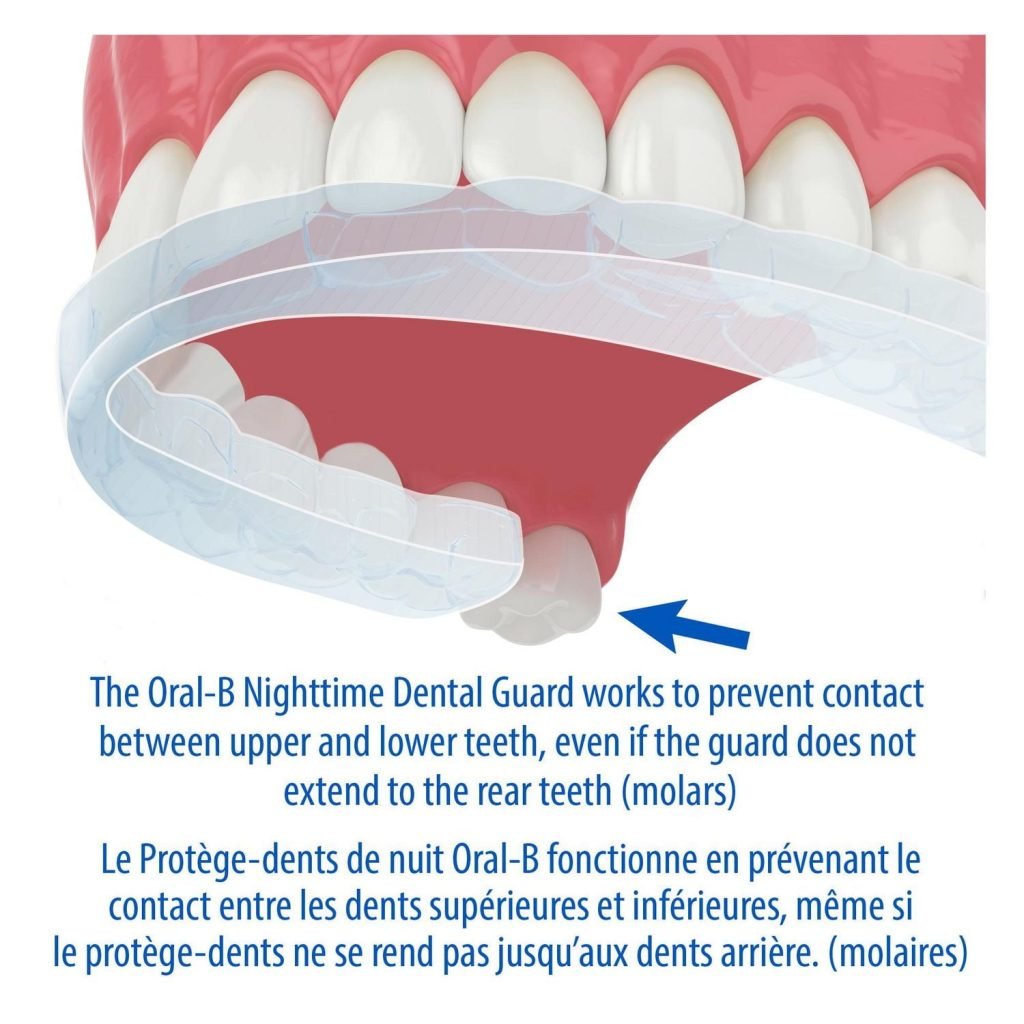
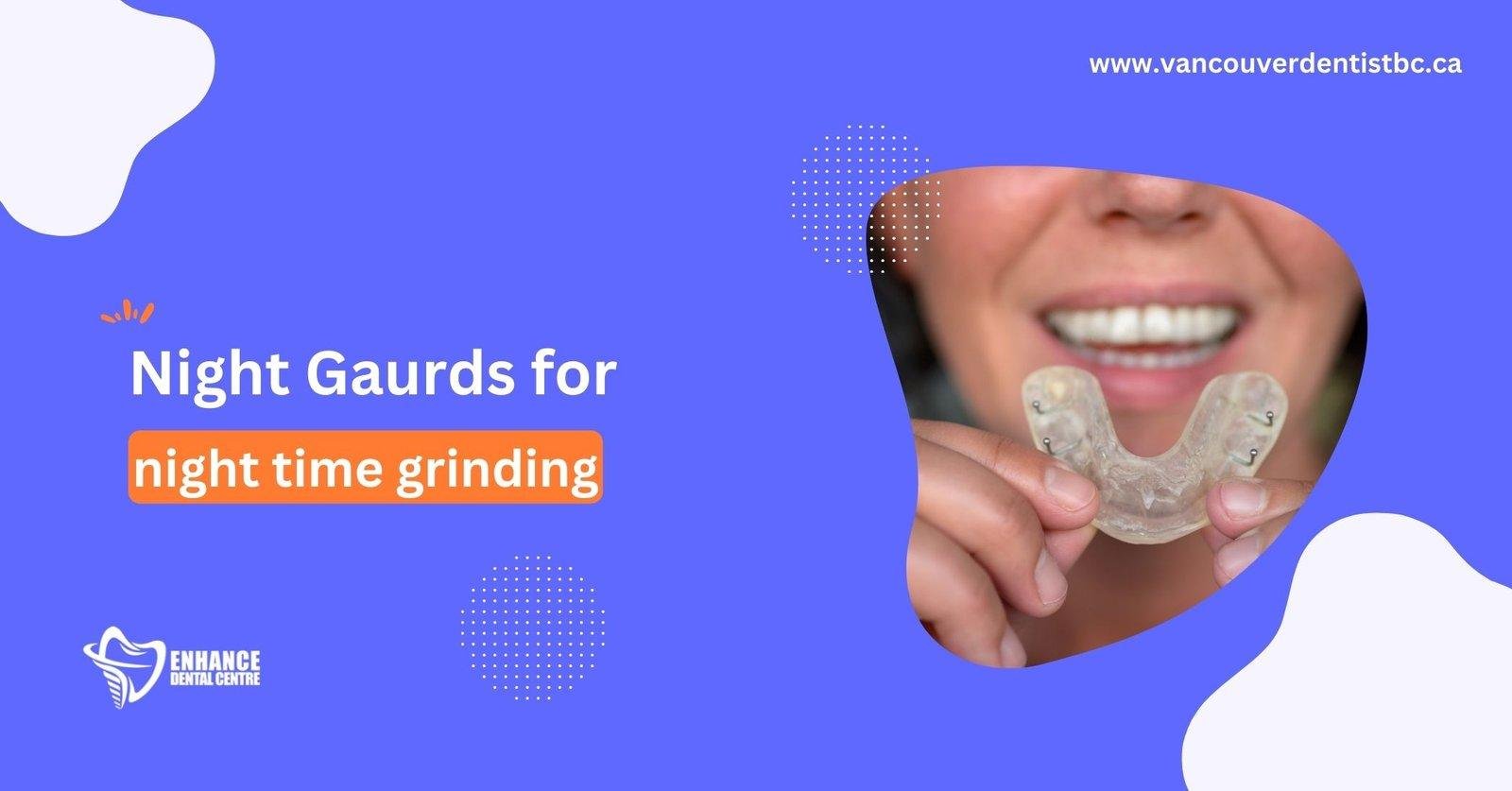
Mouthguardsand splintsare common devices to protect teeth. They stop teeth from rubbing and reduce muscle strain. Custom-fitted guards from a dentist fit better and feel more comfortable. They act as a cushion during sleep.
Corrective dental proceduresfix problems causing teeth grinding. This may include fixing bite issues or replacing missing teeth. These changes can reduce grinding and ease jaw pain.
Botox injectionsrelax the jaw muscles. This helps to reduce clenching and grinding. The effects last for a few months and require repeat treatments.
Lifestyle Changes To Prevent Grinding
Cutting back on caffeineand alcoholhelps relax your jaw muscles. These drinks can make your body more tense and cause teeth grinding at night. Try to avoid coffee, tea, soda, and alcoholic beverages in the evening.
Good sleep hygienemeans having a calm and regular bedtime routine. Go to bed at the same time every night. Keep your bedroom dark, quiet, and cool. Avoid screens and loud noises before sleep to help your body rest better.
Regular exercisereduces stress and helps your muscles relax. Walking, swimming, or yoga can calm your mind and body. Just avoid heavy exercise right before bed, as it might make you more awake.
Credit: vancouverdentistbc.ca
When To See A Professional
Persistent symptoms like jaw pain, headaches, or sore teeth need attention. These signs suggest teeth grinding is causing issues.
Severe tooth damage, such as cracks or worn enamel, requires urgent dental care. Left untreated, it can lead to serious problems.
A sleep specialist can help if grinding disrupts sleep or links to other sleep disorders. They may suggest tests or treatments to improve rest and reduce grinding.
Frequently Asked Questions
What Causes Teeth Grinding At Night?
Teeth grinding, or bruxism, is often caused by stress, anxiety, sleep disorders, or misaligned teeth. It can also result from lifestyle factors like caffeine or alcohol. Identifying the cause helps in choosing the right treatment to stop grinding effectively.
How Can I Prevent Night-time Teeth Grinding?
Prevent grinding by managing stress, practicing relaxation techniques, and avoiding stimulants before bed. Wearing a custom night guard can protect teeth. Regular dental check-ups help detect and treat underlying issues early for better prevention.
Are Mouth Guards Effective For Grinding Teeth?
Yes, mouth guards reduce damage by cushioning teeth during grinding. Custom-fitted guards from dentists offer the best protection and comfort. Over-the-counter options are less effective but can help temporarily.
When Should I See A Dentist For Teeth Grinding?
See a dentist if you experience jaw pain, headaches, or tooth damage. Early consultation prevents long-term harm. A dentist can diagnose bruxism and recommend treatments to stop grinding at night.
Conclusion
Stopping teeth grinding at night helps protect your teeth and reduce pain. Try simple steps like wearing a mouth guard or managing stress. Healthy habits before bed can calm your body and mind. Talk to a dentist if grinding continues or worsens.
Small changes make a big difference over time. Keep your smile safe and enjoy better sleep every night.