
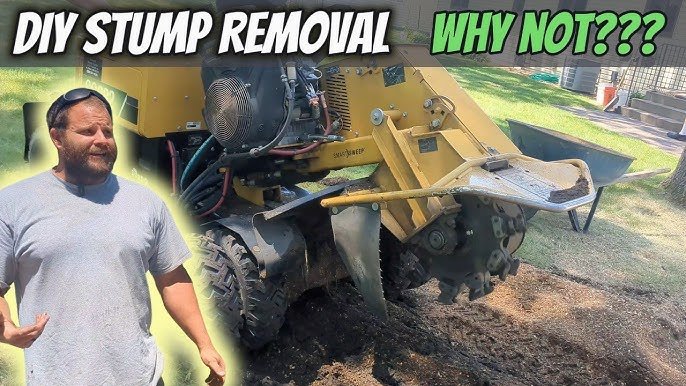
Have you ever faced the challenge of removing a stubborn tree stump from your yard? Operating a stump grinder might seem tricky at first, but with the right steps, you can handle it safely and efficiently.
Imagine clearing that eyesore quickly and making space for your next garden project. In this guide, you’ll discover simple, clear instructions to help you master your stump grinder. By the end, you’ll feel confident to take on the job and transform your outdoor space with ease.
Keep reading—your stump-free yard is closer than you think!

Credit: www.youtube.com
Choosing The Right Stump Grinder
Stump grinders come in different types. Some are small and handheld, good for small jobs. Others are big and self-propelled, used for large stumps. Each type suits different needs. Choosing the right type depends on the size of the stump and the work area.
Key features to check include:
- Power:More power helps cut tougher stumps.
- Size:Match the grinder size to the stump size.
- Mobility:Easy to move for different locations.
- Cutting wheel:Sharp and durable for fast grinding.
Safety is very important. Look for grinders with proper safety certifications. These ensure the machine meets safety rules. Certified machines help prevent accidents and protect users.
Preparing The Work Area
Clearing the work area is key before using a stump grinder. Remove all branches, rocks, and loose debris. This helps avoid damage and keeps the machine steady. Check the ground for hidden obstacles like roots or old tree parts that might block the grinder.
Marking underground utilities is very important for safety. Call your local utility company to locate pipes, cables, and wires. Use bright flags or paint to mark these spots clearly. This prevents accidental cuts or injuries during grinding.
Set up safety zones around the stump grinder. Keep people, pets, and vehicles at a safe distance. Use cones, ropes, or signs to show the boundary. Wearing protective gear like gloves and eye protection is also a must for anyone nearby.
Essential Safety Gear
Wearing the right protective clothinghelps keep you safe. Long sleeves and pants protect your skin from flying debris and sharp wood chips. Choose thick, durable fabrics to avoid cuts and scratches.
Eye and ear protectionare a must. Safety goggles shield your eyes from dust and small wood pieces. Earplugs or earmuffs protect your hearing from the loud noise of the stump grinder.
Use gloves and sturdy footwear. Gloves give a better grip and protect your hands. Steel-toed boots protect your feet from heavy objects and provide good traction on uneven ground.
Starting The Stump Grinder
Begin by checking the stump grinder for any damage and ensure all safety gear is on. Start the engine smoothly and adjust controls before grinding.
Pre-operation Checks
Check the fuel and oil levels before use. Make sure the grinder is clean and free from debris. Inspect the cutting teeth for damage or wear. Verify that all guards and safety devices are in place. Confirm the area around the stump is clear of rocks or other obstacles.
Engine Startup Procedures
Place the grinder on a flat surface. Set the throttle to the idle position. Turn the ignition key or pull the starter rope gently. Let the engine warm up for a few minutes. Listen for unusual sounds or vibrations.
Adjusting Controls
- Set the throttle to the recommended speed.
- Adjust the handles for a comfortable grip.
- Check that the control levers move smoothly.
- Test the brake and safety switches before grinding.
Grinding Techniques
Positioning the grinderclose to the stump is key. Keep the grinder stable on flat ground. The cutting wheel should touch the stump edge gently. Move the grinder slowly to avoid damage.
Effective cutting patternshelp clear the stump quickly. Start by cutting the outer edge in a circle. Then cut in smaller circles toward the center. This pattern keeps the work even and safe.
Managing grinder speedcontrols the cutting quality. Use a slower speed for hard wood. Faster speed works well on softer wood. Always adjust speed to avoid burning the stump or overloading the machine.

Credit: www.youtube.com
Handling Common Challenges
Hard roots can slow down the grinding process. Use steady, slow pressure to break through them. Avoid pushing too hard to prevent damage to the machine. Move the grinder back and forth to chip away at tough roots. Wearing gloves helps maintain a firm grip during this task.
Overheating happens if the grinder runs too long without breaks. Take regular pauses to let the engine cool. Check the oil level and add more if it’s low. Keep air vents clear of dust and debris to maintain airflow. Watch for warning signs like smoke or strange smells.
Stalling may occur from clogged blades or too much load. Stop the machine and clean the blades carefully. Reduce the grinding depth if the engine struggles. Make sure fuel is fresh and the filter is clean. Inspect spark plugs and replace if needed for smooth running.
Post-grinding Cleanup
After grinding the stump, clear away all the wood chipsand debris. Use a rake or broomto gather the pieces into piles. This makes the area safe and tidy.
Next, fill the hole left by the stump with soil or mulch. Press the material down firmly to avoid sinking later. This helps keep the ground level and stable.
Wood chips can be reused or disposed ofproperly. Use them in gardens as mulch or compost them. Otherwise, place them in green waste bins or take them to a recycling center.
Maintenance Tips
Cleaning the grinder keeps it running smoothly and safely. Remove dirt and debris after each use. Use a brush or cloth to clean the cutting wheel and teeth. Avoid water on parts that can rust. Check the air filters and clean them often.
Sharpening and replacing teeth is important for good cutting. Dull teeth make the grinder work harder. Use a file or grinder to sharpen teeth regularly. Replace broken or worn teeth quickly to avoid damage. Keep extra teeth handy for quick swaps.
| Inspection Areas | What to Check | Frequency |
|---|---|---|
| Cutting Wheel | Cracks, wear, and tightness | Before each use |
| Teeth | Sharpness and damage | Weekly |
| Belts and Chains | Tension and wear | Monthly |
| Engine Oil | Level and quality | After every 10 hours |

Credit: www.angi.com
Frequently Asked Questions
What Safety Gear Is Essential For Stump Grinder Operation?
Always wear protective eyewear, gloves, ear protection, and sturdy boots. These prevent injuries from flying debris and loud noise. A hard hat is also recommended on job sites to protect your head from falling branches or other hazards.
How Do You Prepare The Area Before Using A Stump Grinder?
Clear debris, rocks, and vegetation around the stump. Ensure the ground is level and stable. Mark underground utilities to avoid damage. This preparation helps operate the grinder safely and effectively without interruptions.
What Is The Correct Technique To Grind A Stump?
Start grinding at the stump’s edge, moving the grinder side to side. Gradually work deeper into the stump. Avoid staying in one spot to prevent damage. This method ensures even grinding and faster stump removal.
How Deep Should You Grind A Stump?
Grind the stump at least 6 inches below ground level. This depth allows for proper replanting or landscaping. Deeper grinding prevents regrowth and makes the area safer for future use.
Conclusion
Operating a stump grinder can be safe and simple with the right steps. Always wear protective gear and check the machine before use. Move slowly and keep control to avoid accidents. Clear the area of rocks and debris first. Take breaks to prevent fatigue and stay alert.
Regular maintenance keeps the grinder working well. Practice makes the process easier and faster. Stump grinding helps clear your yard and prepare for new planting. Follow these tips to handle the machine confidently and safely.