
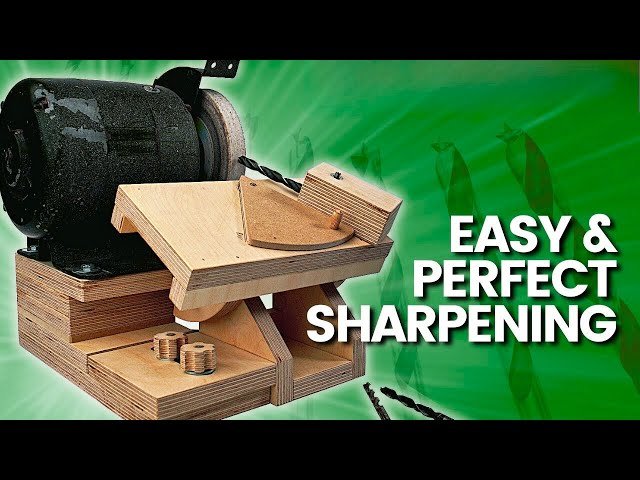
Are your drill bits getting dull and slowing down your projects? Sharpening them yourself can save you time and money, and keep your tools working like new.
But how do you sharpen a drill bit quickly and safely? If you’ve ever felt unsure about using a bench grinder, you’re not alone. In this guide, you’ll learn simple, step-by-step tips to sharpen your drill bits with confidence. By the end, you’ll have the skills to bring your worn-out bits back to life and tackle your next project without frustration.
Keep reading to discover how easy it can be!
Credit: www.msn.com
Choosing The Right Grinder Wheel
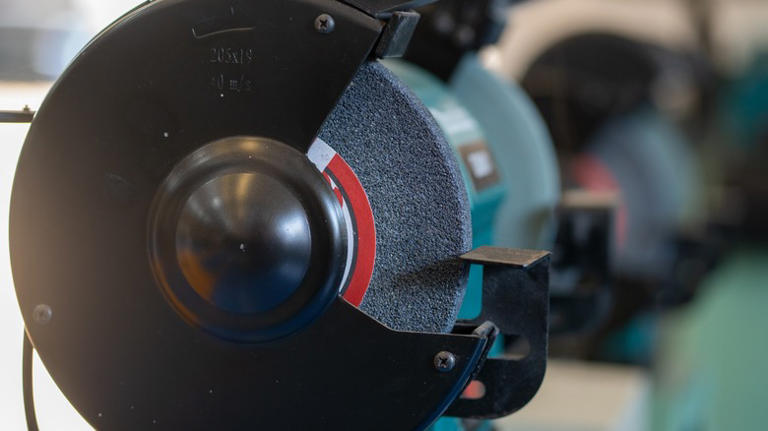
Choosing the right grinder wheel is key to sharpening a drill bit well. Different wheels suit different tasks. Wheels come in various materials like aluminum oxide, silicon carbide, and diamond. Each has unique uses.
- Aluminum oxide:Good for steel and general-purpose grinding.
- Silicon carbide:Best for softer metals and non-metal materials.
- Diamond wheels:Ideal for very hard materials and precise grinding.
Wheel grit affects the smoothness of the grind. Coarse grit removes metal fast but can leave rough edges. Fine grit works slower but gives a smoother finish. Choose grit based on how sharp and smooth the drill bit must be.

Credit: www.youtube.com
Preparing The Drill Bit
Start by cleaning the drill bit well. Dirt and oil can hide damage or wear. Use a cloth or brush to remove all debris.
Look closely at the bit for cracks or chips. These can make sharpening unsafe or ineffective. Replace the bit if damaged.
Marking the cutting edges helps guide your sharpening. Use a marker or paint to color the tips. This makes it easier to see which parts to grind.
Clear markings help keep the angles even. Sharpening at the right angle improves cutting performance and bit life.
Setting Up The Bench Grinder
Adjust the tool rest close to the grinding wheel. Keep a small gap, about 1/16 inch. This helps hold the drill bit steady during sharpening. Set the tool rest angle to match the drill bit tip angle, usually 59 degrees for standard bits.
Check the wheel guards. They protect you from sparks and debris. Make sure guards cover most of the wheel but do not block your view. Adjust them so you can see the bit clearly without risk.
- Wear safety goggles to protect eyes from sparks and dust.
- Use ear protection to reduce noise from the grinder.
- Wear gloves to protect hands, but avoid loose gloves that can catch.
- Ensure the work area is clean and free from flammable materials.
- Use a dust mask to avoid breathing in fine particles.
Credit: www.slashgear.com
Sharpening Process
Hold the drill bit at a correct angleto the bench grinder. Usually, this angle is about 60 degrees. Position the bit so its cutting edgestouch the grinding wheel evenly.
Lightly press the bit’s edge to the wheel. Move it back and forth with a steady hand. This helps to grind the cutting edgesevenly and remove dull metal.
Keep the drill bit symmetricalby checking both sides. Both edges should be the same length and shape. This balance helps the bit cut smoothlyand last longer.
Cooling The Drill Bit
Cooling the drill bit is very importantto avoid damage. Using water helps keep the bit coolduring grinding.
Dip the drill bit in water oftenwhile sharpening. This stops the bit from getting too hot.
Overheating can make the drill bit lose its hardness. The bit may become softand wear out quickly.
- Keep a container of water nearby.
- Dip the bit every few seconds.
- Do not grind for too long without cooling.
- Watch for smoke or a blue color on the bit – this means too hot.
Checking The Sharpness
Start with a close lookat the drill bit’s tip. Check for sharp edgesand no chips. The angles should be even and smooth. Dull bits often have rounded or damaged edges. A clear, sharp point means the bit is ready for use.
Try a test drillingon a piece of wood or soft metal. The drill should cut easilywithout much force. If it skips or grinds, the bit needs more sharpening. Listen for a clean, steady soundwhile drilling. This shows the bit is sharp and working well.
Common Mistakes To Avoid
Over-grindingcan make the drill bit too thin and weak. It also causes the bit to get very hot. This heat can damage the metal inside the bit, making it less strong. Grinding only a little at a time helps keep the bit safe.
Keeping even angleson both sides of the drill bit is very important. Uneven angles cause the bit to drill crooked holes. It also makes the drill bit wear out faster. Using a guide or marking the angle helps keep it straight.
- Ignoring safety precautionscan cause serious injuries.
- Always wear safety goggles to protect your eyes from sparks.
- Use gloves to protect your hands from heat and sharp edges.
- Keep your work area clean and free from clutter.
- Make sure the bench grinder is stable and secure before use.
Maintaining Your Drill Bits
Keeping your drill bits sharp makes drilling easier and safer. Drill bits dull with use. Sharpen them regularly to keep good performance. A good rule is to sharpen after every few hours of use. This helps avoid damage and saves time later.
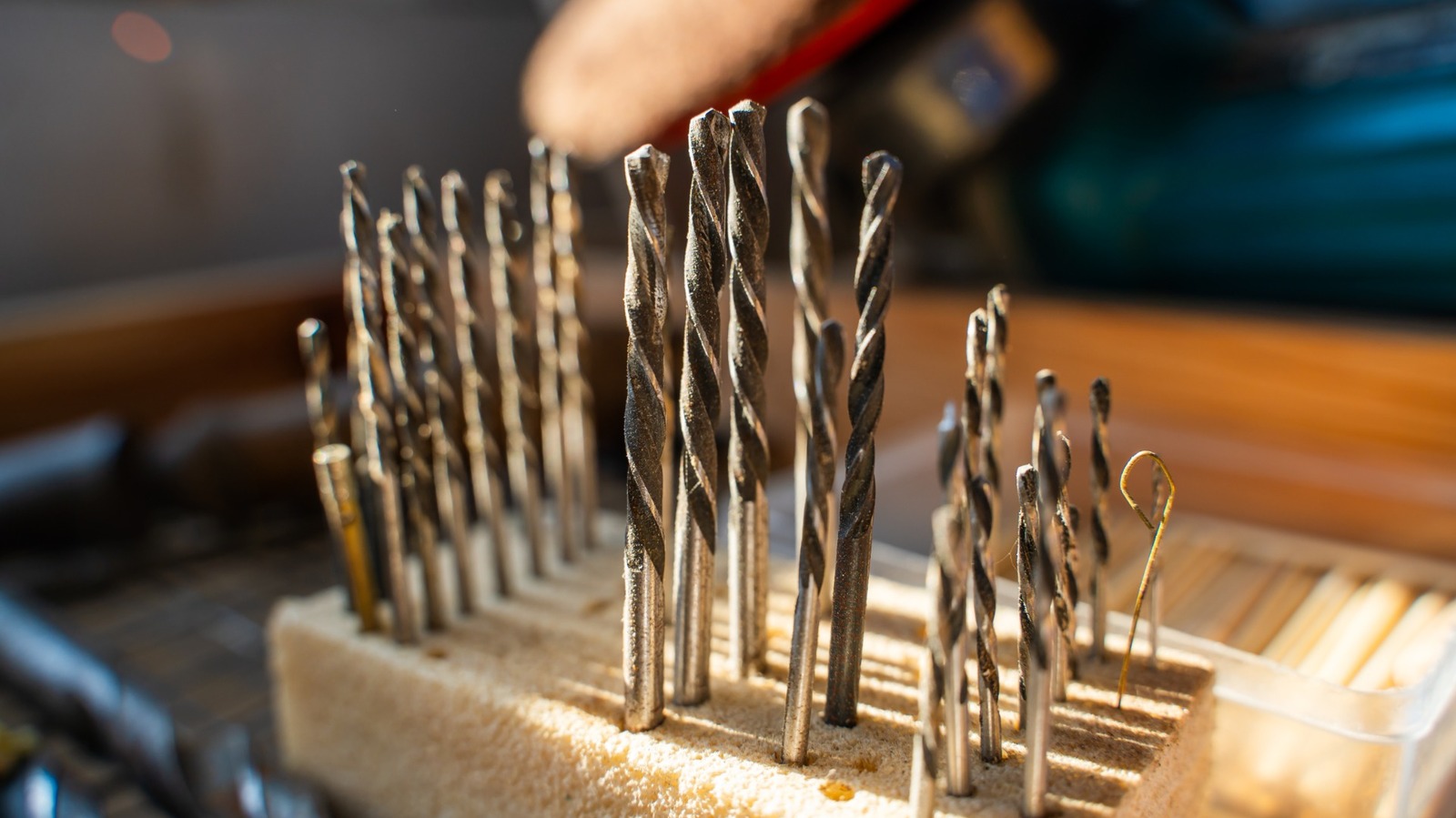
Store drill bits properly to protect their edges. Use a case or holder with separate slots. This stops bits from banging against each other. Keep them dry to prevent rust. Label the sizes for quick access.
| Sharpening Schedule | Storage Tips |
|---|---|
| Sharpen after 2-3 hours of drilling | Use a case with individual slots |
| Check edges before each use | Keep bits dry and rust-free |
| Use a bench grinder for best results | Label bits by size for easy use |
Frequently Asked Questions
How Do I Sharpen A Drill Bit On A Bench Grinder?
To sharpen a drill bit on a bench grinder, align the bit’s tip with the grinding wheel. Gently press and rotate the bit. Maintain the original angle and avoid overheating by cooling it frequently.
What Safety Precautions Are Needed When Sharpening Drill Bits?
Wear safety goggles and gloves to protect from sparks and debris. Ensure the bench grinder is stable. Avoid loose clothing, and keep fingers clear of the grinding wheel during sharpening.
How Often Should I Sharpen Drill Bits On A Bench Grinder?
Sharpen drill bits when they become dull or produce rough holes. Frequent sharpening extends bit life and improves drilling accuracy. Check bits regularly during use for signs of wear.
Can Any Drill Bit Be Sharpened On A Bench Grinder?
Most standard high-speed steel drill bits can be sharpened on a bench grinder. Carbide-tipped or specialty bits may require professional sharpening or different tools for best results.
Conclusion
Sharpening a drill bit on a bench grinder saves time and money. It keeps your tools working well and makes drilling easier. Remember to wear safety gear and work carefully. Practice the right angle and pressure for the best results.
With some patience, you can sharpen bits quickly at home. This skill helps you finish projects faster and with better precision. Keep your drill bits sharp to get cleaner holes every time. Simple steps, good care, and safety make a big difference.
Try it yourself and see the improvement in your work.