
Are you tired of waiting for your microwave to finish heating your meal, only to find it unevenly cooked? Have you ever wished for a device that could do more than just reheat leftovers?
You might be standing at a crossroads, deciding between a smart microwave and a traditional one. But which is truly the right choice for your kitchen? This decision isn’t just about convenience; it’s about transforming the way you cook and eat.
Imagine having a microwave that understands your cooking preferences, saves you time, and even helps cut down on your energy bills. Sounds intriguing, right? Dive into this article and uncover how choosing the right microwave could revolutionize your daily cooking routine. Discover the key differences, benefits, and potential drawbacks that could influence your choice. Your kitchen deserves an upgrade, and the right information can lead you to the best decision. Keep reading to find out more!
Smart Microwave Features
Smart microwaves connect to Wi-Fi. You can control them with your phone. You can start cooking from anywhere. This feature is very helpful. It saves time and effort.
Use your voice to operate the microwave. You can say commands like “start” or “stop.” It listens and follows your words. This is useful when your hands are full. Voice control makes cooking easier.
Smart microwaves have pre-programmed recipes. You select a dish and it cooks automatically. No need to set time or temperature. It knows how long to cook each dish. This helps in making meals perfect every time.
Credit: www.kitchenaid.com
Traditional Microwave Basics
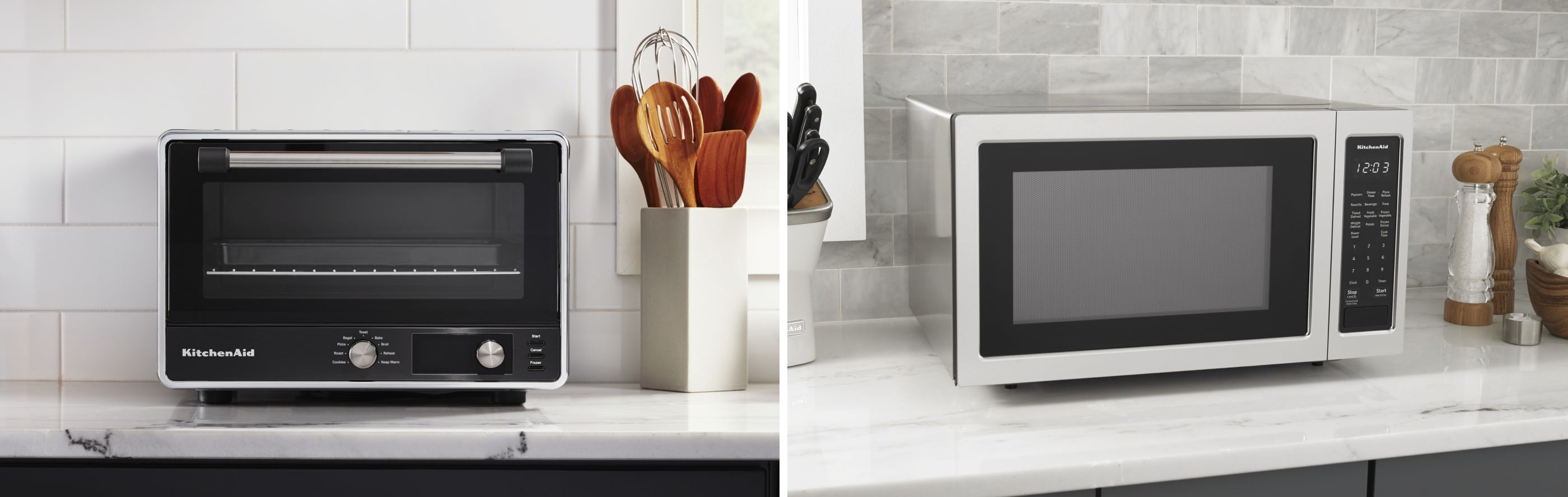
Traditional microwaves have simple controls. These microwaves use dials and buttons. You can set the timeand power level. Everyone finds these controls easy to understand. The display shows numbers clearly. Many homes have these microwaves. They are not expensive. Easy to operate.
These microwaves offer manual cooking settings. You choose the time. You choose the power level. You must know how long to cook food. These settings are great for basic cooking. They heat food evenly. Some foods need different times. You must watch your food. Avoid burning.
Efficiency And Performance
Smart microwaves cook food faster than traditional ones. They have sensors. These sensors adjust cooking time. Food cooks evenly. No cold spots. Traditional microwaves use standard timers. Food might cook unevenly. Smart microwaves save time.
Smart microwaves use less energy. They have energy-saving modes. This reduces power use. Traditional microwaves use more energy. They lack energy-saving features. Smart microwaves are better for the planet. They save electricity bills.

Credit: www.whirlpool.com
User Experience
Smart microwaves have touch screens. They have buttons for easy use. You can set timers quickly. Traditional microwaves use knobs and dials. Some people find them easy. Others think they are old-style.
Smart microwaves can connect to Wi-Fi. You can use them with your phone. This is fun for tech lovers. Traditional ones do not have this feature. They are simple and basic.
Smart microwaves need some learning. You have to know how to use apps. They might be hard for some kids or older people. Traditional microwaves are easy to learn. Most people know how to use them already.
Smart microwaves have many features. This can be confusing. Traditional ones are simple. They do not have many options. This makes them easy to understand.
Cost And Value
Smart microwaves often cost more at first. They have advanced features. Traditional microwaves are usually cheaper. They focus on basic tasks. For many, spending less upfront is important. Smart models offer more, but at a price. Consider your budget before buying.
Smart microwaves may save money over time. They use energy wisely. This can lower your bills. Traditional microwaves might use more power. Smart models often have better settings. These help with cooking efficiency. Think about future savings, not just the price tag.
Maintenance And Durability
Smart microwaves often have a shorter lifespan than traditional ones. The advanced features in smart models can fail sooner. Traditional microwaves use simpler parts. This makes them last longer. Regular cleaning helps both types last. Dust and grease can harm any microwave. Always unplug before cleaning. This keeps you safe.
Smart microwaves need more repairs. Their technology is complex. More parts can break or fail. Traditional microwaves are simpler. They need fewer repairs. Repairing a smart microwave can cost more. Special parts can be expensive. Finding a repair person for smart models is harder. Traditional microwaves are easier to fix. Many people can repair them at home.
Safety Considerations
Both smart and traditional microwaves use microwave radiationto cook food. This radiation is generally safe. Microwaves are designed to keep radiation inside. Doors have special seals to stop leaks. It is important to check for any damage. A broken door can cause leaks. Always follow the user manual for safety.
Smart microwaves often come with child safety locks. These locks stop children from opening the door. This feature keeps kids safe from burns. Traditional microwaves may not have this feature. Always check if your microwave has a safety lock. It’s an important feature for families with young kids.
Environmental Impact
Smart microwaves have energy-saving modes. They use less electricity than traditional models. Some smart microwaves adjust cooking times. This saves power. Sensors in smart microwaves help reduce energy use. They detect food and adjust heat. Traditional microwaves don’t have these features. They use a constant amount of power. Smart microwaves can also connect to smart grids. This helps balance energy use.
Smart microwaves can be recycled. They have parts that are easy to reuse. This reduces waste. Traditional microwaves often end up in landfills. They have parts that are hard to recycle. Smart microwaves sometimes have biodegradable packaging. This packaging breaks down easily. It does not harm the environment. Using a smart microwave can help reduce waste.
Consumer Preferences
Many tech enthusiasts love smart microwaves. They enjoy the advanced features. These include voice control and app integration. Smart microwaves can suggest recipes. They make cooking more fun and easy. A smart microwave can connect to Wi-Fi. It also updates itself automatically. Tech lovers find this exciting. It feels modern and high-tech.
Some people prefer traditional microwaves. They like the simple design. Traditional microwaves are easy to use. They have basic buttons for cooking. No app or internet needed. Many people find them reliable. They trust them for heating food. Traditional microwaves are often cheaper. They fit well in any kitchen. Perfect for those who want things simple.
Credit: www.contoureusa.com
Frequently Asked Questions
Are Smart Microwaves Worth It?
Smart microwaves offer convenience with features like remote control and voice commands. They can save time and energy. Consider your cooking habits and budget before purchasing. They may not be essential for everyone, but tech enthusiasts and busy individuals might find them valuable.
What Is The Purpose Of A Smart Microwave?
A smart microwave offers convenient cooking with automated settings, remote control, and voice command features. It enhances kitchen efficiency by adjusting cooking times and power levels for various foods, ensuring optimal results. Smart connectivity allows for easy updates and integration with home automation systems.
What Is The Difference Between A Smart Inverter Microwave And A Regular Microwave?
A smart inverter microwave provides precise power control, ensuring even cooking and defrosting. Regular microwaves lack this feature, often resulting in uneven heating. Smart inverters are energy-efficient and offer improved cooking performance, while regular microwaves are generally more basic and less versatile in cooking capabilities.
What Kind Of Microwave Is Better?
Convection microwaves are often considered better for their versatility. They offer baking, grilling, and reheating functions. Countertop models are convenient and affordable. Over-the-range microwaves save space and include exhaust fans. Choose based on your cooking needs, space, and budget for the best experience.
Conclusion
Choosing the right microwave depends on your needs. Smart microwaves offer more features and connectivity. Traditional microwaves are simpler and cost less. Both options efficiently heat food. Consider your budget and tech preference. Smart microwaves provide convenience through apps and remote control.
Traditional models focus on straightforward cooking. Decide what suits your lifestyle best. Both types cater to different cooking habits. Smart or traditional, they both serve the main purpose. Heating meals quickly and effectively. Choose wisely based on your personal cooking style and technology comfort.