
Are you considering upgrading your kitchen appliances and wondering if a smart dishwasher is worth the investment compared to a traditional model? You’re not alone.
The decision between a smart dishwasher and a traditional one can feel overwhelming with so many features and options on the market. But what if choosing the right dishwasher could save you time, effort, and even money in the long run?
Imagine walking into your kitchen and having your dishes perfectly cleaned and dried with minimal effort on your part. By understanding the differences and benefits of each type, you can make an informed choice that suits your lifestyle and budget. Let’s dive into the world of dishwashers and discover which one might be the perfect fit for your home.

Credit: www.bosch-home.com
Smart Dishwasher Features
Smart dishwashers connect to Wi-Fi. This helps control them from phones. You can start or stop the dishwasher with a tap. This is useful when you are busy. Updates about the wash cycle come to your phone. This makes life simple and easy.
Voice control lets you talk to your dishwasher. Use devices like Alexa or Google Assistant. Say simple commands. The dishwasher listens and follows. No need to press buttons. This is fun and handy.
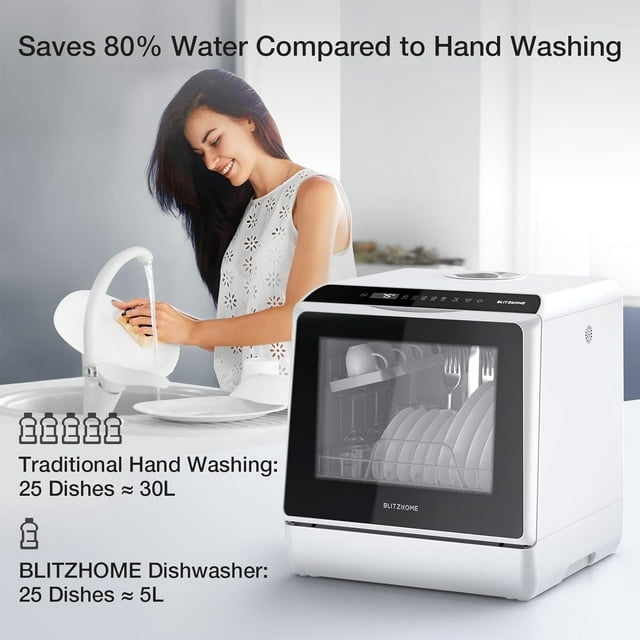
Smart dishwashers use less water and power. This saves money. They have special sensors. These sensors detect how dirty the dishes are. Then they use the right amount of water. This helps the environment.
Credit: www.walmart.com
Traditional Dishwasher Features
Traditional dishwashers offer basic features like manual cycle selection and simple controls. They focus on efficiency and reliability. These models often provide straightforward cleaning without the added complexity of smart technology.
Manual Operation
Most traditional dishwashers need manual settings. Users press buttons to start and stop. These dishwashers don’t have smart screens. They use simple knobs and buttons. Easy for everyone to understand. No need for internet or apps.
Basic Cleaning Cycles
Traditional dishwashers offer basic cleaning cycles. Common cycles include normal, heavy, and quick wash. These cycles work for most dishes. Not many choices for special needs. Simple settings make it easy for families.
Reliability And Durability
Traditional models are known for reliability. Many last for years without problems. Strong build with good materials. Simple parts mean fewer breakdowns. They handle daily use well. Easy to fix if something breaks.
Cost Comparison
Smart dishwashers often come with higher upfront costs but save money long-term through energy efficiency. Traditional dishwashers generally have lower initial prices, yet may lead to higher utility bills over time.
Initial Purchase Price
The initial cost of a smart dishwasher can be higher. It has more features and technology. Traditional dishwashers are usually cheaper. They are basic and simple. The choice depends on your budget. Smart dishwashers offer convenience. Traditional ones save money upfront.
Long-term Maintenance Costs
Maintaining a smart dishwasher may cost more. It has complex parts. Repairs can be pricey. Traditional dishwashers are simpler. They often have lower repair costs. Regular cleaning can prevent issues. Smart dishwashers need software updates. Traditional ones focus on hardware care. Choose based on long-term budget.
Ease Of Use
Smart dishwashersoften have easier setup. They connect to Wi-Fi. You can control them with your phone. No need for extra wiring. Traditional dishwashersrequire manual setup. You might need tools. They don’t connect to Wi-Fi.
Smart dishwashershave touch screens. They show clear icons. Easy for anyone to use. Traditional dishwashershave buttons. Sometimes, hard to understand. You need to read the manual. Smart dishwashers also offer voice commands. Traditional ones do not.
Performance And Cleaning Quality
Smart dishwashers have advanced settings. They use sensors to detect dirt levels. Traditional dishwashers clean dishes well. But they lack smart features. They often have fewer wash cycles. Smart models adjust water and temperature. This improves cleaning results. Energy efficiency is better in smart models. They save water and power.
Tough stains need special attention. Smart dishwashers can handle these better. They use targeted sprays and steam. Traditional dishwashers may struggle with heavy grime. Smart models have strong cleaning modes. These modes break down food particles. Stubborn spots are easier to remove with smart features.
Credit: www.nytimes.com
Environmental Impact
Smart dishwashers use less water than traditional ones. They can sense the number of dishes and adjust water use. This saves water every wash. Traditional dishwashers use the same amount of water each time. This can waste a lot of water. Saving water helps the planet and your bills.
Smart dishwashers use less electricity. They have special settings to save energy. Traditional dishwashers use more power. They do not have these smart settings. Saving energy is good for the earth. It also lowers your electric bill.
User Experience
Many people feel happy with their smart dishwashers. These machines make life easier. They have cool featureslike remote control and smart sensors. Families love the time they save. Cleaning is more fun and less work. Traditional dishwashers also do a good job. But they lack the extra features. Some people prefer the simplicity of these models.
Some users face issues with smart dishwashers. They sometimes break or stop working. Fixing them can cost a lot. People find technology confusing. Traditional dishwashers have fewer problems. Yet, they may not clean as well as smart ones. Some dishes need extra scrubbing. Both types have their ups and downs.
Future Trends
Smart dishwashers offer advanced features like app control and energy efficiency. Traditional models focus on basic cleaning functions. Each option caters to different needs and preferences, shaping future kitchen choices.
Technological Advancements
Smart dishwashers have many new features. They have sensors to detect how dirty dishes are. These sensors help save water and energy. Traditional dishwashers do not have these features. Smart models connect to your phone. You can start or stop them from anywhere. This makes them very convenientfor busy families.
Consumer Preferences
Many people want more eco-friendlyappliances. Smart dishwashers use less water. They are also quieter than older models. Some people still like traditional dishwashers. They are simple and easy to use. But smart models offer more choices. They fit in well with modern homes.
Frequently Asked Questions
What Is The Difference Between A Smart Dishwasher And A Regular Dishwasher?
Smart dishwashers offer Wi-Fi connectivity, remote control, and smart diagnostics. Regular dishwashers lack these advanced features. Smart models enhance convenience and efficiency, providing app integration and voice command options. Regular dishwashers perform standard cleaning tasks without smart technology, focusing solely on basic washing functions.
What Is The Purpose Of The Smart Dishwasher?
A smart dishwasher automates dishwashing with advanced technology, saving time and energy. It offers remote control, efficient cleaning, and customized wash cycles via smartphone apps, enhancing convenience and performance. These features make daily chores easier while reducing utility costs, providing a modern solution for efficient kitchen management.
What Is The Difference Between A Regular Dishwasher And A Built-in Dishwasher?
A regular dishwasher is portable and can be moved. A built-in dishwasher is installed under a kitchen counter. Regular dishwashers connect to the sink, while built-in models have a direct plumbing connection. Built-ins offer a seamless kitchen look, while regular ones provide flexibility and portability.
What Is The Point Of A Wi-fi-enabled Dishwasher?
A Wi-Fi-enabled dishwasher offers remote control via smartphone. Users can start cycles, monitor progress, and receive alerts. It enhances convenience, efficiency, and energy management. Integration with smart home systems is seamless, allowing voice control and automation for a streamlined kitchen experience.
Conclusion
Choosing between a smart and traditional dishwasher depends on personal needs. Smart dishwashers offer advanced features and convenience. They save time and water. Traditional dishwashers are simpler but reliable. They are usually more affordable. Consider your budget and lifestyle. Need tech-savvy options?
Go for smart models. Prefer basic functions? Stick with traditional ones. Both have pros and cons. Decide what fits best in your kitchen. Make your choice wisely. Enjoy clean dishes and a hassle-free experience. Remember, the perfect dishwasher complements your daily routine effortlessly.