
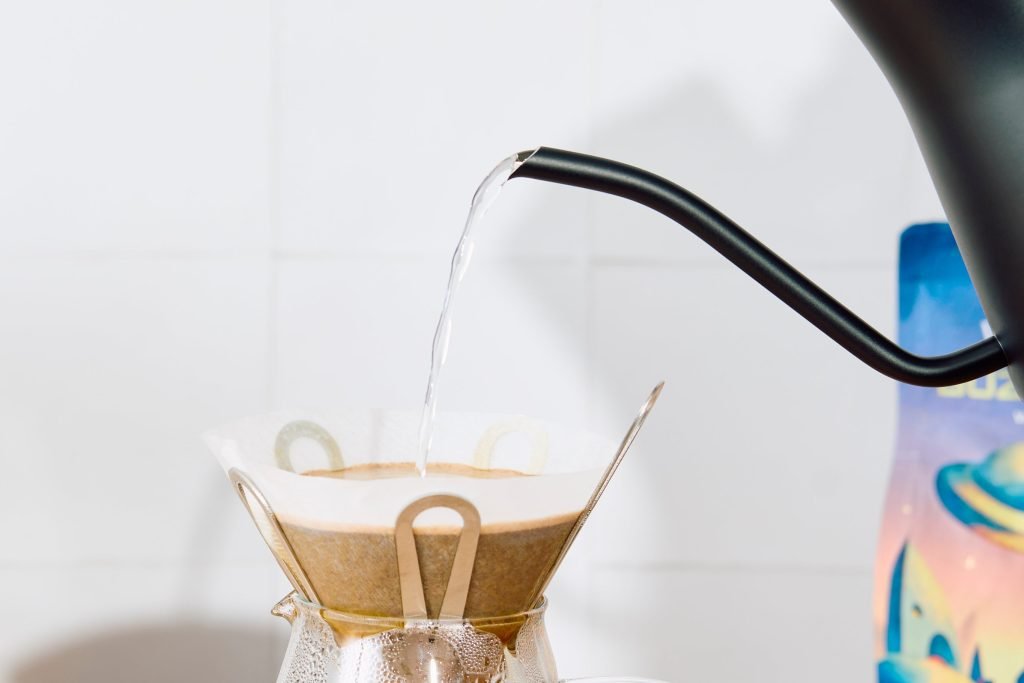
If you love coffee, you know that the way it’s made can change everything about the taste. Using a pour-over coffee cone might sound simple, but it can unlock flavors you didn’t know your coffee had.
Imagine waking up to a cup that’s smooth, rich, and perfectly balanced—made by you, right at home. In this guide, you’ll discover easy steps to master the pour-over method and enjoy a fresh, delicious brew every time. Ready to transform your coffee routine?
Let’s dive in.
Choosing The Right Coffee Cone
Choosing the right coffee cone depends on material, size, and shape. Each affects the brewing process and taste.
Material optionsinclude ceramic, glass, metal, and plastic. Ceramic retains heat well and looks classic. Glass lets you see the coffee brewing. Metal cones heat quickly but may affect flavor. Plastic cones are lightweight and easy to carry.
Size and shape variationsinfluence the brew strength and speed. Larger cones hold more coffee and water, making a stronger cup. Smaller cones brew faster but yield less coffee. Cone shapes affect water flow; a steep cone slows water, creating a richer flavor. A shallow cone lets water flow quickly for a lighter taste.
Selecting Coffee Beans
Arabicaand Robustaare the main bean types. Arabica has a smooth and sweet taste. Robusta is stronger and more bitter. Light roasts keep the beans’ original flavor. Medium roasts offer balance and sweetness. Dark roasts give a bold and smoky taste.
Grinding size matters a lot for pour-over coffee. Use a medium-coarse grindto get the best flavor. Too fine makes the coffee bitter. Too coarse makes it weak and watery. A consistent grind helps water flow evenly. This makes your coffee taste just right.
Preparing Your Equipment
Gather the essential toolsbefore starting. A pour-over coffee coneis needed to hold the filter and coffee grounds. Use a paper or metal filterthat fits the cone size. Fresh, medium-ground coffeeworks best for pour-over brewing. A gooseneck kettleallows for better control of water flow.
Set up your brewing station on a flat surface. Place the cone on top of your coffee cup or server. Make sure all tools are clean and dry. Keep a timerhandy to track brewing time. Warm your cup with hot water before brewing to keep coffee hot.

Credit: www.wholelattelove.com
Water Quality And Temperature
The ideal water temperaturefor pour-over coffee is between 195°F and 205°F (90°C to 96°C). Water below this range may cause under-extraction, leading to weak and sour coffee. Water above this range can cause over-extraction, making the coffee bitter.
Good water qualitygreatly affects coffee flavor. Use fresh, clean waterfree of odors and chemicals. Water with too many minerals can change taste and cause cloggingin the coffee cone.
| Water Quality | Impact on Coffee Flavor |
|---|---|
| Soft Water (low minerals) | May taste flat or dull |
| Hard Water (high minerals) | Can taste bitter or metallic |
| Filtered Water | Balanced and clear flavor |
Step-by-step Brewing Process
Place the paper filter inside the pour-over cone. Pour hot water over the filter to wet it fully. This helps remove any paper taste and warms the cone. Discard the water that collects below.
Put fresh coffee grounds into the wet filter. Use a medium grind for best results. Level the grounds for even extraction. About 1 to 2 tablespoons per cup works well.
- Start pouring hot water slowly in a circular motion.
- Begin from the center and move outwards gently.
- Pour just enough water to wet all grounds first.
- Wait 30 seconds for the coffee to bloom.
- Continue pouring water slowly, keeping a steady flow.
Let the water drip through the coffee grounds. The whole process should take about 3 to 4 minutes. Control the flow by adjusting your pour speed. If it drips too fast, pour slower. If too slow, pour a bit faster.

Credit: food52.com
Troubleshooting Common Issues
Common problems with pour-over coffee cones include slow dripping or weak flavor. Check grind size and water temperature to fix these issues quickly. Proper technique ensures a smooth, tasty brew every time.
Bitter Or Sour Taste
The coffee might taste bitter due to water temperature. Use water between 195°F and 205°F. If the coffee is sour, grind the beans finer. This allows more flavor extraction. Use fresh beans for better taste. Stale beans can make coffee taste off.
Weak Or Watery Coffee
Weak coffee often means not enough grounds. Use about 1 to 2 tablespoonsper cup. Check your grind size too. Too coarse a grind can make coffee weak. Make sure to pour water evenly over the grounds. This helps extract flavors better.
Slow Or Fast Brew
Slow brew means water flow is blocked. Check the filter and clean it if needed. Fast brew suggests a coarse grind. Use a finer grind to slow it down. Ensure you pour water in a steady, circular motion. This helps control the brew time.
Cleaning And Maintenance Tips
Rinse the coffee cone with hot water before use to remove dust and warm it up. Clean it thoroughly after each brew to avoid coffee residue buildup. Use a soft brush or cloth to keep the cone in good condition and ensure fresh taste every time.
Daily Cleaning Routine
Wash the cone with warm water after each use. Use mild soap for a good clean. Rinse it well to remove all soap. Check for leftover coffee grounds. Use a soft brush if needed. Let it air dry completely. Store in a dry place.
Deep Cleaning Methods
Soak the cone in warm water with vinegar. Leave it for 30 minutes. Scrub gently with a soft brush. Rinse well to remove vinegar smell. Dry it thoroughly before storing. Repeat this monthly for best results.

Credit: www.wholelattelove.com
Enhancing Your Pour-over Experience
Trying different coffee recipescan make your pour-over moments special. Use various coffee beansand adjust the grind sizefor new flavors. Changing the water temperatureand pour speedalso affects taste. Keep notes on what you like best.
Pairing your coffee with food can bring out its best flavors. Light roasts go well with fruitsand pastries. Dark roasts match nicely with chocolatesand nuts. Try different combos to find your favorite.
Frequently Asked Questions
What Is A Pour-over Coffee Cone Used For?
A pour-over coffee cone brews coffee by manually pouring hot water over grounds. It allows precise control over brewing time and flavor extraction. This method highlights coffee’s unique tastes and aromas, producing a clean, crisp cup.
How Do You Prepare A Pour-over Coffee Cone?
Place a filter in the cone and rinse it with hot water. Add ground coffee, then slowly pour hot water in circles. Allow the coffee to bloom, then continue pouring until the desired volume is reached.
What Grind Size Is Best For Pour-over Coffee?
A medium to medium-fine grind size works best. This allows water to flow evenly and extract balanced flavors. Too coarse causes weak coffee; too fine may result in bitterness or clogging.
How Much Coffee Do I Use In A Pour-over Cone?
Use about 1 to 2 tablespoons of ground coffee per 6 ounces of water. Adjust to taste preference for stronger or milder coffee. Accurate measurement ensures consistent flavor.
Conclusion
Using a pour-over coffee cone brings out fresh coffee flavors. It lets you control water flow and brewing time. This makes each cup just right for your taste. Practice a few times to get comfortable with the steps. Enjoy the simple, calming process of making coffee.
Small changes in grind size or pouring speed can make a big difference. Pour-over coffee is easy, fun, and rewarding. Try it today and enjoy a fresh cup every morning.