
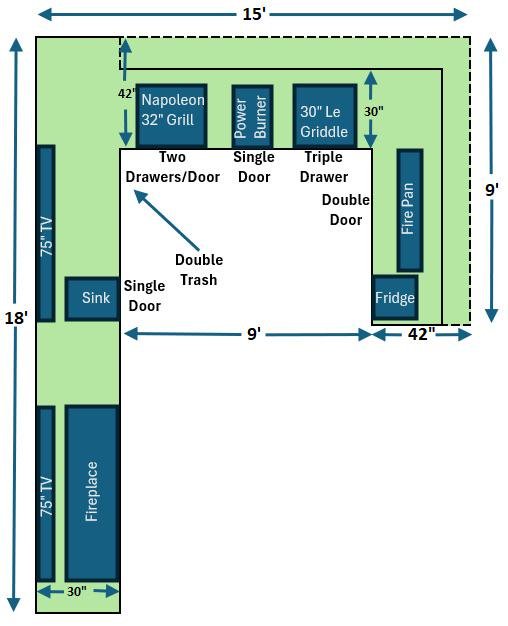
Thinking about creating the perfect outdoor kitchen? Your layout is the key to making cooking outside easy, fun, and enjoyable for everyone.
But how do you plan a space that works just right for your needs? Whether you love hosting barbecues or just want a cozy spot to cook under the sky, this guide will help you design an outdoor kitchen layout that fits your lifestyle perfectly.
Keep reading, and you’ll discover simple steps that turn your outdoor cooking dreams into reality.
Choosing The Right Location
Planning the layout of your outdoor kitchen starts with picking the right place. The location affects how comfortable and functional your kitchen will be.
Think about factors like weather, closeness to your indoor kitchen, and access to utilities. These details make cooking outside easier and more fun.
Consider Sun And Wind Exposure
Check where the sun shines and how the wind blows in your yard. Too much sun can make cooking uncomfortable. Strong wind may affect your grill’s flame.
Look for a shaded spot or plan to add a cover. A wind barrier like a wall or plants helps keep the area calm and safe.
- Choose a spot with partial shade
- Use walls or fences to block wind
- Avoid low areas where cold air collects
Proximity To Indoor Kitchen
Place your outdoor kitchen near your indoor kitchen for easy access. This helps carry food, utensils, and dishes quickly.
Close distance saves time and makes cooking more efficient. Keep in mind the flow between the two spaces to avoid obstacles.
- Keep a short walking distance
- Ensure a clear path without steps or barriers
- Consider convenience for cleaning and refilling supplies
Access To Utilities
Your outdoor kitchen needs water, electricity, and gas. Choose a spot where you can easily connect to these utilities.
Good utility access keeps your kitchen working well. Plan for plumbing, electrical outlets, and gas lines before building.
- Check nearby water supply for sinks
- Locate electrical outlets for lights and appliances
- Plan safe gas line installation for grills
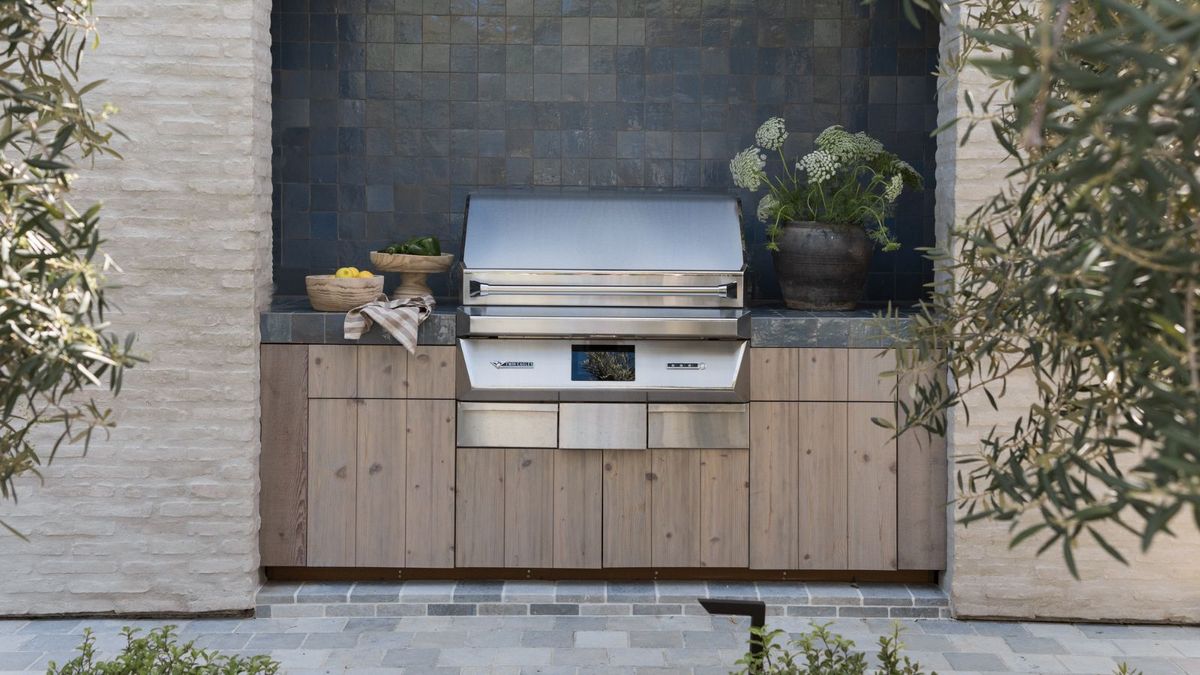
Credit: www.homesandgardens.com
Selecting The Layout Style
Choosing the right layout for your outdoor kitchen is important. It affects how you cook and entertain outside.
Different layouts fit different spaces and needs. Pick one that works best for your backyard and cooking style.
Single Wall Design
The single wall layout places all kitchen elements on one wall. It is simple and saves space.
This design works well for small yards or narrow spaces. It keeps everything within easy reach.
- Easy to build and maintain
- Good for limited space
- Allows for seating opposite the kitchen
L-shaped Configuration
The L-shaped layout uses two walls joined at a right angle. It offers more counter space and storage.
This setup fits well in corner areas. It creates a natural cooking zone with easy movement.
- Provides good work triangle
- Allows space for a dining area
- Fits medium to large spaces
U-shaped Setup
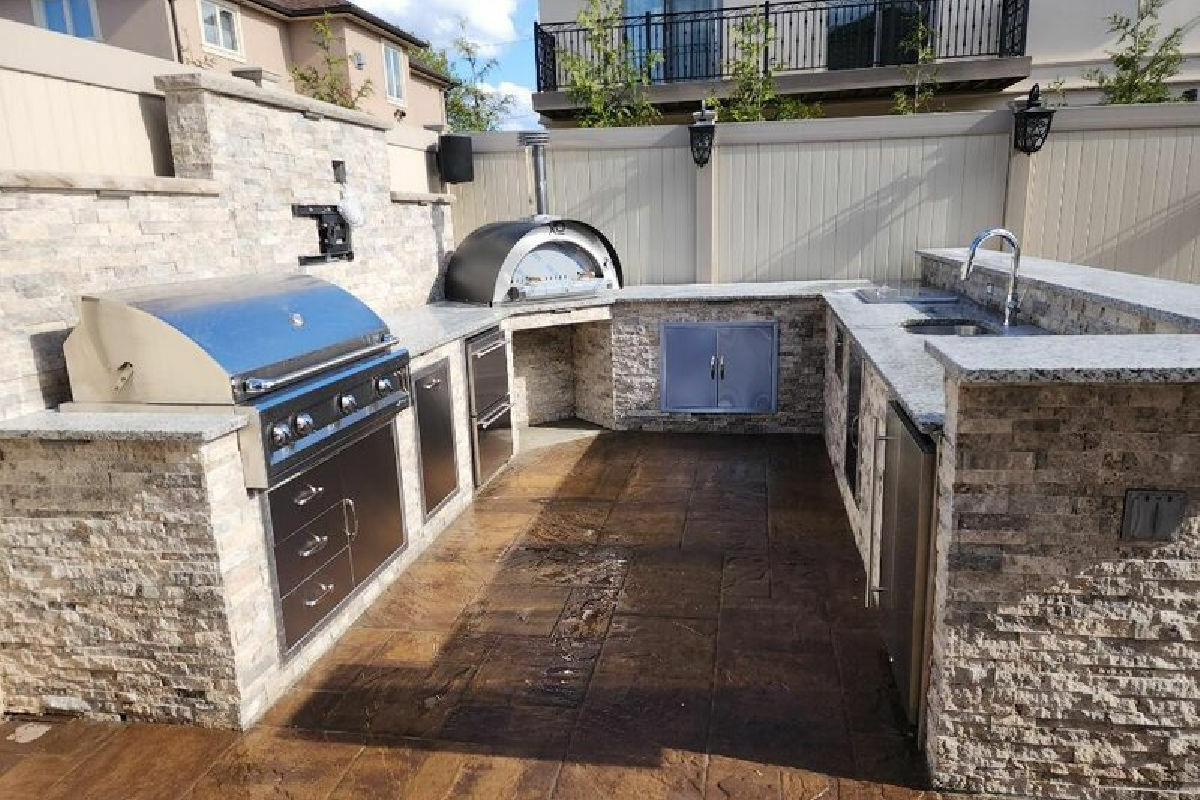
The U-shaped design surrounds you with counters on three sides. It offers the most workspace.
This layout works well in large open areas. It helps separate cooking, prep, and serving zones.
- Maximizes counter and storage space
- Creates efficient work zones
- Ideal for large outdoor kitchens
Essential Kitchen Zones
Planning an outdoor kitchen means creating zones for different tasks. Each zone should have enough space and tools. This helps cooking and cleaning go smoothly.
Organizing your kitchen into clear zones makes it easier to work and enjoy your outdoor space.
Cooking Area
The cooking area is where you grill, smoke, or use a stove. It needs to be safe and well-ventilated. Place grills and cooktops near a heat-resistant surface.
Preparation Space
Preparation space is for chopping, mixing, and arranging food. It should be close to the cooking area. Include counters and storage for utensils.
- Countertop area for cutting and mixing
- Storage for knives and tools
- Space for ingredients and bowls
- Easy access to the cooking zone
Cleaning Station
The cleaning station helps keep your kitchen neat. It usually has a sink and trash bin. Place it near the preparation space for quick cleanup.
| Item | Purpose |
| Sink | Wash dishes and hands |
| Trash Bin | Dispose of waste |
| Storage | Keep cleaning supplies |
Dining And Socializing
This zone is for eating and spending time with guests. Include tables, chairs, and shade. Make sure it is comfortable and close to the kitchen.
Consider these features for your dining area:
- Seating for family and friends
- Outdoor lighting for evening meals
- Protection from wind and sun
- Easy access to the cooking and prep zones
Choosing Durable Materials
Building an outdoor kitchen needs materials that last. Rain, sun, and wind can damage surfaces. Picking the right materials saves money and time.
This guide covers strong choices for countertops, cabinets, and floors. These options resist weather and keep your kitchen looking good.
Weather-resistant Countertops
Countertops face heat, moisture, and stains outside. Choose materials that handle these challenges well. Granite and concrete are top picks. They do not fade or crack easily.
- Granite: Strong and heat-resistant
- Concrete: Custom shapes and colors
- Tile: Easy to clean and replace
- Quartz: Durable but less heat-resistant
- Stainless steel: Modern look and easy care
Rust-proof Cabinets
Outdoor cabinets must resist rust and moisture. Metal cabinets with powder coating last long. Marine-grade stainless steel is best for wet areas. Wood needs special sealers to avoid rotting.
| Material | Pros | Cons |
| Marine-grade Stainless Steel | Rust-proof, strong | Higher cost |
| Powder-Coated Aluminum | Lightweight, rust-resistant | Can chip over time |
| Treated Wood | Natural look | Needs regular sealing |
| Plastic Resin | Waterproof, low maintenance | Less sturdy |
Flooring Options
Flooring should handle foot traffic and weather changes. Choose slip-resistant and easy-to-clean materials. Stone and brick offer good durability and style.
- Porcelain tiles: Water and stain resistant
- Concrete pavers: Strong and affordable
- Natural stone: Durable and classy
- Brick: Good grip and classic look
Incorporating Appliances And Features
Planning an outdoor kitchen layout means thinking about the appliances you need. Good planning helps you use space well and cook easily.
Choosing the right features makes your outdoor kitchen useful and fun. Let’s look at key appliances and how to include them.
Grills And Smokers
Grills and smokers are the heart of an outdoor kitchen. Place them where you have good airflow and easy access to cooking space.
Think about how many people you want to cook for. Bigger grills work well for large groups, while smaller ones save space.
- Keep grills away from flammable materials
- Leave room beside grills for prep space
- Consider covered areas to protect from rain
Refrigeration Units
Refrigerators keep food and drinks cold and handy. Place them near the cooking area but away from direct sunlight.
Choose outdoor-rated units for durability. Small fridges fit well in tight spaces and help keep ingredients fresh.
- Position near prep counters
- Ensure power supply is safe and dry
- Use built-in models for a cleaner look
Sinks And Faucets
Sinks add convenience for washing hands and cleaning tools. Place them close to the grill and prep areas.
Choose faucets that resist rust and are easy to use. Make sure plumbing is planned well for water supply and drainage.
- Install near food prep space
- Use durable materials like stainless steel
- Check water connections before building
Storage Solutions
Storage keeps your outdoor kitchen tidy. Use cabinets and drawers to hold tools, utensils, and supplies.
Choose weatherproof materials to protect items from rain and sun. Plan storage close to where you cook and clean.
- Use lockable cabinets for safety
- Store frequently used items near the grill
- Include shelves for spices and small tools

Credit: bbqhawks.com
Maximizing Comfort And Ambiance
Planning an outdoor kitchen layout means thinking about comfort and mood. A well-designed space makes cooking and relaxing more fun.
Good lighting, shade, and seating help create a cozy and inviting outdoor kitchen.
Lighting Options
Lighting sets the mood and helps you see while cooking or eating outside. Use soft lights for a warm feel.
Mix different lights to make your outdoor kitchen bright and cozy at night.
- String lights add a relaxed and festive look
- Built-in LED lights in counters or cabinets improve visibility
- Pathway lights guide guests safely around the area
- Spotlights highlight cooking zones
Shade And Shelter
Shade protects you from sun and rain, making the space more comfortable. Choose a cover that fits your style and needs.
Shelter also keeps your kitchen appliances safe and helps you enjoy the outdoors longer.
- Umbrellas are easy to move and adjust
- Pergolas add style and partial shade
- Gazebos provide full cover and weather protection
- Retractable awnings offer flexible shelter options
Seating Arrangements
Comfortable seating invites guests to stay and enjoy meals. Plan spots for both eating and relaxing.
Choose seating that suits your space size and social style.
- Bar stools near counters for casual chats
- Dining tables for family meals
- Lounge chairs for resting and conversation
- Bench seating to save space and add charm
Planning For Safety And Maintenance
Designing an outdoor kitchen needs careful thought about safety and ease of upkeep.
Good planning helps prevent accidents and keeps your kitchen looking great for years.
Fire Safety Measures
Keep cooking areas away from flammable materials like wood and dry plants. Use fireproof materials near grills and stoves.
- Install a fire extinguisher nearby and check it regularly.
- Place grills on stable, non-flammable surfaces.
- Keep a safe distance between cooking and seating areas.
- Use spark guards on open flames to prevent sparks.
- Make sure gas lines and connections are checked for leaks.
Easy-to-clean Surfaces
Choose materials that resist stains, water, and heat. Surfaces that clean easily save time and prevent mold or dirt build-up.
| Surface Type | Cleaning Ease | Durability |
| Stainless Steel | High | High |
| Granite | Medium | High |
| Concrete | Medium | Medium |
| Tile | High | Medium |
| Wood (sealed) | Low | Low |
Drainage And Waste Management
Plan for water runoff and trash disposal to keep your outdoor kitchen clean and safe.
- Install drains to avoid water pooling around cooking areas.
- Use covered bins to keep waste contained and avoid pests.
- Design the floor slope to guide water toward drains.
- Choose materials that resist water damage for flooring and walls.
Credit: www.milleniumstoneworks.com
Budgeting And Project Timeline
Planning an outdoor kitchen needs clear budgeting and a good timeline. Knowing costs and project length helps avoid surprises.
This guide covers how to estimate costs, set deadlines, and decide between hiring pros or doing it yourself.
Estimating Costs
Start by listing all needed materials and features. Think about grills, countertops, cabinets, and plumbing.
- Price the main cooking appliances
- Include costs for countertops and cabinets
- Factor in electrical and plumbing work
- Set aside money for permits and inspections
- Plan for landscaping or patio repairs
Setting Realistic Deadlines
Plan your timeline by dividing the project into phases. Allow time for ordering, delivery, and installation.
| Project Phase | Estimated Duration |
| Design and Planning | 1 to 2 weeks |
| Ordering Materials | 2 to 4 weeks |
| Site Preparation | 1 week |
| Construction and Installation | 2 to 3 weeks |
| Final Inspections | 1 week |
Hiring Professionals Vs Diy
Think about your skills and time before choosing. Hiring pros costs more but saves time and ensures quality.
- DIY saves money but needs more time
- Pros bring experience and tools
- Consider permits and safety rules
- Mix both by doing simple tasks yourself
- Ask for quotes and check reviews for pros
Frequently Asked Questions
What Are The Essentials For An Outdoor Kitchen Layout?
An outdoor kitchen layout should include essentials like a grill, prep space, sink, and storage. Consider adding refrigeration for convenience. Ensure there’s enough counter space for food preparation. Plan seating areas for comfort and social interaction. Arrange components efficiently to create a functional flow.
How Do I Choose The Right Location?
Choose a location with good ventilation and adequate shade. Proximity to the indoor kitchen is essential for convenience. Consider wind direction to avoid smoke issues. Ensure the area is level and has easy access to utilities. Privacy and views can enhance the ambiance.
What Materials Are Best For Outdoor Kitchens?
Durable materials like stainless steel, stone, and concrete are ideal for outdoor kitchens. Stainless steel resists rust and is easy to clean. Stone and concrete withstand weather conditions and offer a natural look. Choose weather-resistant countertops and furniture to ensure longevity and low maintenance.
How Can I Maximize Space In A Small Area?
To maximize space, use compact appliances and multi-functional furniture. Vertical storage solutions can save ground space. Opt for built-in grills and under-counter refrigeration. Consider foldable or stackable seating options. Use the layout to create an efficient workflow, ensuring everything is within easy reach.
Conclusion
Planning an outdoor kitchen layout takes careful thought and simple steps. Think about how you will use the space every day. Keep your cooking, eating, and social areas close but not crowded. Choose durable materials that fit your style and budget.
Add enough storage and counter space for easy work. Remember safety and comfort with good lighting and shelter. A well-planned layout makes cooking outside fun and easy. Take your time and enjoy creating a space you love.