
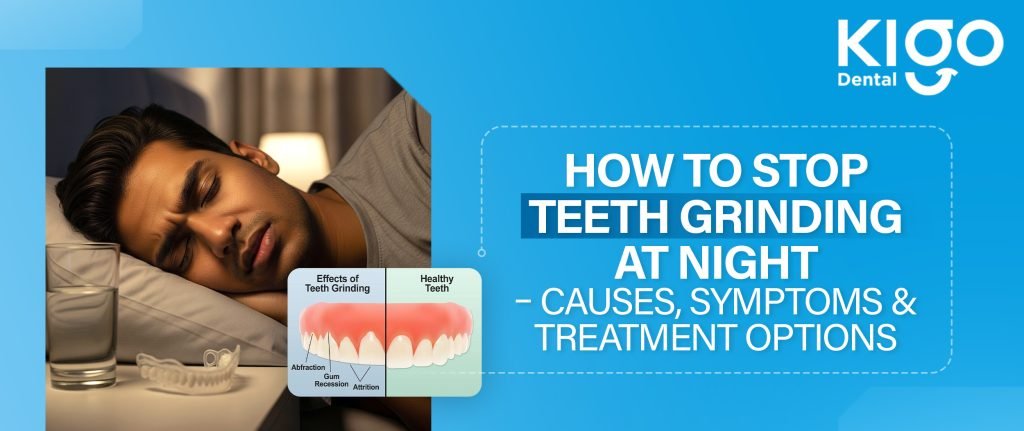
Are you waking up with a sore jaw or headaches that just won’t go away? You might be grinding your teeth without even realizing it.
Teeth grinding can damage your smile and cause discomfort that affects your daily life. But don’t worry—there are simple steps you can take to stop this habit and protect your teeth. Keep reading to discover easy, effective ways to put an end to teeth grinding and enjoy a healthier, pain-free mouth.
Your smile deserves it!

Credit: www.amazon.com
Causes Of Teeth Grinding
Stress and anxietycan cause your jaw to tighten and teeth to grind. Many people grind teeth when feeling worried or tense. This often happens during sleep without awareness.
Sleep disorderslike sleep apnea or snoring disturb normal sleep. These disorders increase chances of grinding teeth at night. Poor sleep quality makes grinding worse.
Misaligned teethor an uneven bite may cause grinding. When teeth don’t fit well, the jaw moves oddly. This causes pressure and leads to grinding or clenching.
Lifestyle factorssuch as caffeine, smoking, or alcohol use can increase teeth grinding risk. These habits affect nerves and muscles, causing jaw tension. Reducing these can help lessen grinding episodes.
Symptoms To Watch For
Jaw pain and tightnessoften happen after grinding teeth. The muscles feel sore or tired. This can make it hard to open your mouth wide. Sometimes, the jaw may click or lock.
Tooth damageshows as worn or cracked teeth. Grinding wears down the enamel, making teeth sensitive. You might see chips or breaks in your teeth.
Headachescan start near the temples or forehead. They may feel dull or sharp. These headaches often come from tight jaw muscles.
Sleep disruptionshappen when grinding wakes you up. It can cause restless or poor-quality sleep. This leaves you tired the next day.
At-home Remedies
Relaxation techniqueshelp calm your mind and reduce jaw tension. Try deep breathing or meditation for a few minutes each day. These methods lower stress, which often causes teeth grinding.
Jaw exercisescan ease muscle tightness. Gently open and close your mouth or move your jaw side to side. Repeat these moves slowly to relax your jaw muscles.
Proper sleep hygieneimproves sleep quality, reducing grinding. Keep a regular bedtime, avoid screens before sleeping, and make your bedroom cool and dark. Good sleep lowers jaw clenching at night.
- Avoiding stimulantslike caffeine and nicotine helps relax your body. These can make your muscles tense and increase grinding.
- Try to limit soda, coffee, tea, and smoking, especially in the evening.
Dental Treatments
Mouthguardsand splintshelp protect teeth from grinding. They fit over teeth to stop damage during sleep. Custom mouthguards are made by dentists to fit perfectly. Splints keep your jaw in a relaxed position. Both reduce pressure on teeth and muscles.
Corrective dental workfixes teeth that cause grinding. Crowns, bridges, or reshaping teeth can balance your bite. This reduces strain on jaw muscles. It helps prevent further damage from grinding.
Botox injectionsrelax jaw muscles. This lowers the force of teeth grinding. Botox makes jaw muscles less tense and reduces pain. The effects last a few months and need repeat treatments.
When To See A Specialist
Persistent symptomslike frequent jaw pain or headaches need expert advice. Constant discomfort can signal serious problems. It is important to get help early to avoid worsening damage.
Severe tooth damagesuch as cracks, chips, or worn enamel requires prompt attention. Grinding can cause lasting harm that may need dental repair. Ignoring damage may lead to more pain and costly treatments.
Chronic painin the jaw, face, or neck that lasts several weeks should not be ignored. This pain may come from muscle strain or joint issues caused by grinding. Specialists can provide treatments to ease pain and improve quality of life.

Credit: www.youtube.com
Lifestyle Changes To Prevent Grinding
Stresscan cause teeth grinding. Try deep breathing or meditation to relax your mind. This helps reduce tension in your jaw muscles.
Eating a balanced dietsupports overall health. Foods rich in calcium and magnesium can help relax muscles. Avoid too much sugar to keep your teeth healthy.
Regular exercisereleases stress and improves sleep quality. Even a short walk daily can calm your body and mind, lowering the chance of grinding.
Cutting back on alcohol and caffeinehelps. These drinks can make your jaw muscles tense and increase grinding at night. Drink water or herbal tea instead.
Credit: adofw.com
Frequently Asked Questions
What Causes Teeth Grinding At Night?
Teeth grinding, or bruxism, is often caused by stress, anxiety, or misaligned teeth. Sleep disorders and lifestyle habits may also contribute. Identifying the cause helps in effective treatment and prevention.
How Can I Stop Teeth Grinding Naturally?
Reducing stress through relaxation techniques, avoiding caffeine, and practicing good sleep hygiene can help. Wearing a custom night guard also protects teeth during sleep.
Are There Dental Treatments For Teeth Grinding?
Yes, dentists may recommend night guards, orthodontic treatments, or dental correction to prevent damage and reduce grinding. Early intervention minimizes long-term issues.
Can Teeth Grinding Cause Health Problems?
Yes, it can lead to tooth damage, jaw pain, headaches, and sleep disturbances. Treating grinding early prevents these complications and improves overall well-being.
Conclusion
Stopping teeth grinding helps protect your smile and reduce pain. Try wearing a mouthguard at night to keep teeth safe. Managing stress can lower the urge to grind. Avoid caffeine and alcohol before bed for better rest. Practice relaxing exercises or meditation daily.
Visit your dentist regularly to check your teeth’s health. Small changes can make a big difference over time. Stay patient and consistent with these habits. Your teeth will thank you with less wear and more comfort. Keep these tips in mind for a healthier mouth.