
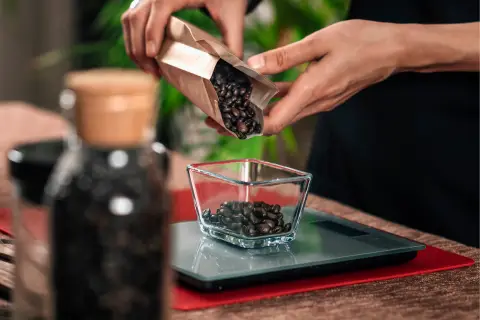
Getting the perfect cup of coffee starts before you even brew. One of the simplest yet most important steps is measuring your coffee beans just right before grinding.
If you’ve ever wondered why your coffee tastes too weak or too strong, the answer might be in how you measure your beans. You’ll discover easy and effective ways to measure coffee beans, ensuring every cup you make hits that perfect balance of flavor and strength.
Keep reading, and you’ll never have to guess your coffee measurements again.

Credit: pesado585.com
Choosing The Right Measurement Tools
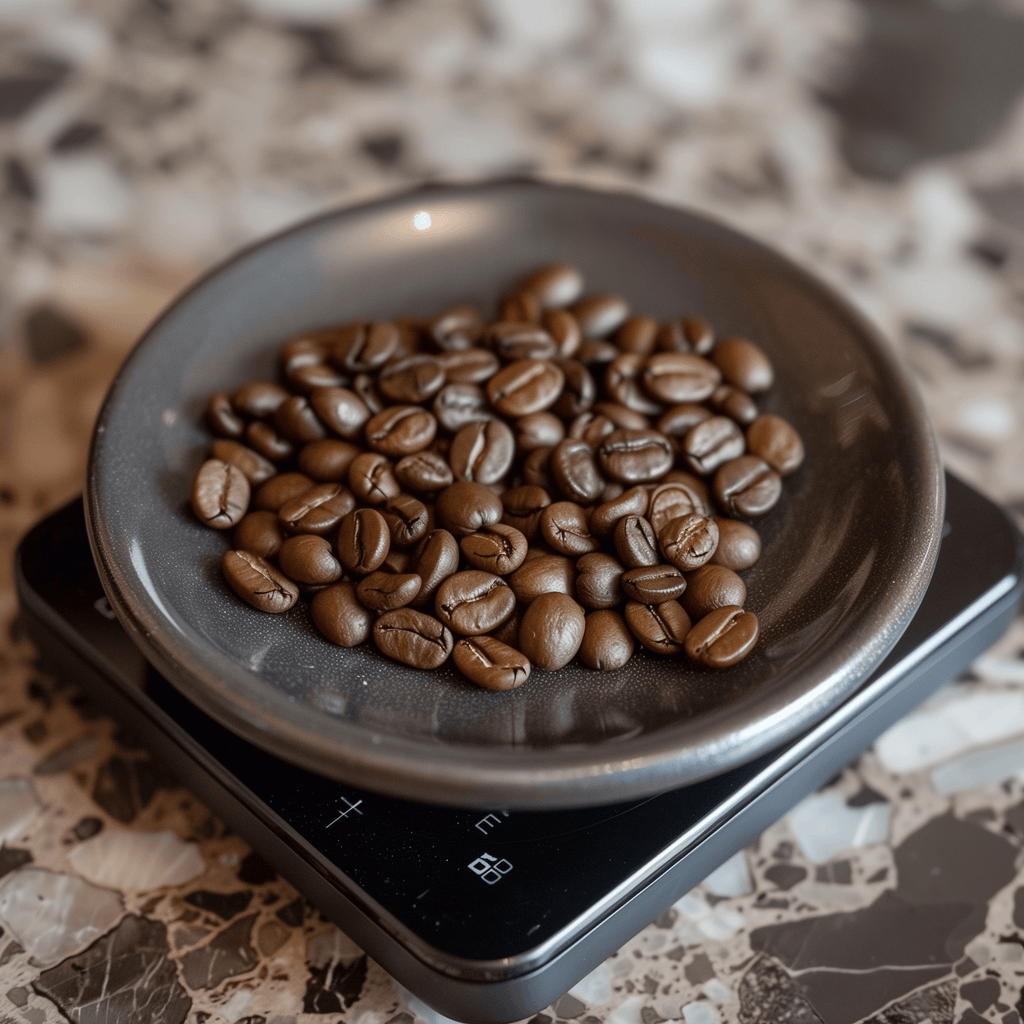
Using a digital scalegives the most accurate measurement of coffee beans. It measures by weight, which matters more than volume for coffee. A scale helps keep coffee strength consistent each time. Small differences in grams can change taste a lot. Digital scales are easy to use and quick. Place the container on the scale, zero it, and add beans until you reach the desired weight.
Measuring with spoons and cupsis common but less precise. Coffee beans take up different space depending on size and shape. A tablespoon of one type may weigh less than another. It’s best to use these tools only when you don’t have a scale. Use level spoons or cups for the closest estimate.
| Tool | Accuracy | Ease of Use | Best For |
|---|---|---|---|
| Digital Scale | High | Easy | Precise coffee brewing |
| Spoons and Cups | Medium to Low | Simple | Quick estimates |
Credit: angelinos.com
Determining The Ideal Coffee Quantity
Standard coffee-to-water ratioshelp measure coffee beans correctly. A common ratio is 1:15, meaning 1 gram of coffee for every 15 grams of water. For example, use 20 grams of coffee for 300 ml of water. This ratio creates a balanced taste for most brews.
Different brew methodsneed different amounts of coffee. Espresso uses more coffee per water amount than drip coffee. French press coffee needs a coarser grind and a bit more coffee for a stronger taste. Adjust the amount based on the brewing style to get the best flavor.
Personal tastealso changes how much coffee to use. Some like a strong, bold flavor and use more coffee. Others prefer a lighter taste and use less. Start with the standard ratio and change the amount until the taste feels right.
Measuring Whole Beans Before Grinding
Use a digital scale for accurate weighingof coffee beans. Place the scale on a flat surface and turn it on. Use a bowl or container to hold the beans and tare the scale to zero before adding beans. This way, you measure only the beans’ weight, not the container.
Avoid common mistakes like guessing amounts or using volume instead of weight. Coffee beans vary in size, so measuring by volume can cause inconsistencies. Always weigh beans for better control over the coffee’s taste and strength.
- Use a precise digital scale
- Zero the scale before adding beans
- Measure beans by weight, not volume
- Avoid guessing bean amounts
Tips For Consistent Grinding Results
Calibrating your grinder ensures even particle sizefor better flavor. Adjust the settings based on brewing method. Test grind small amounts to find the best setting. Keep notes to remember your favorite grind size.
Store coffee beans in an airtight containeraway from light and heat. Avoid moisture to keep beans fresh longer. Buy whole beans and grind only before brewing to keep aroma and taste intact.
Use the same measuring toolevery time for consistent coffee strength. A digital scale or standard scoop works well. Measure beans before grinding to avoid guesswork. Consistent measurement leads to a balanced cup.
Troubleshooting Measurement Issues
Bean densitycan vary a lot. This affects how you measure coffee beans. Some beans are light and fluffy, others are dense and heavy. Using a scoop may not give the same amount every time. A kitchen scale is better for accuracy. Weigh beans instead of using volume measures like cups or spoons.
Roast levelalso changes bean size and weight. Dark roasts are lighter because they lose water. Light roasts are denser and heavier. Adjust weight slightly based on roast type for better results.
| Roast Type | Density | Measurement Tip |
|---|---|---|
| Light Roast | Denser, heavier | Use slightly more weight for same volume |
| Medium Roast | Moderate density | Standard weight measurement works well |
| Dark Roast | Lighter, less dense | Use slightly less weight for same volume |

Credit: angelinos.com
Frequently Asked Questions
How Many Coffee Beans Equal One Tablespoon?
On average, 7 grams of coffee beans equal one tablespoon. This equals about 12-15 whole beans. Measuring by weight is more accurate than volume for consistent taste.
Should I Weigh Coffee Beans Before Or After Grinding?
Always weigh coffee beans before grinding. Grinding changes bean density and volume, affecting measurement accuracy. Weighing whole beans ensures a precise coffee-to-water ratio.
What’s The Best Tool To Measure Coffee Beans?
A digital kitchen scale is the best tool. It provides accurate weight measurements for consistent coffee strength. Avoid relying on scoops or tablespoons alone.
How Does Bean Measurement Affect Coffee Taste?
Correct bean measurement ensures the right coffee-to-water ratio. Too many beans cause bitterness, too few lead to weak flavor. Accurate measurement improves your coffee’s balance and aroma.
Conclusion
Measuring coffee beans before grinding ensures better taste every time. Use a simple scale or scoop for accuracy. Too many or too few beans change the flavor. Consistent measurement helps you enjoy your perfect cup daily. Practice a few times to find what suits you best.
Small steps make a big difference in coffee quality. Keep measuring, grinding, and savoring your fresh brew.