
If you love starting your day with a fresh cup of coffee, finding mold in your drip coffee maker can be both surprising and worrying. Mold not only affects the taste of your coffee but can also be harmful to your health.
You might be wondering how to get rid of it quickly and safely, without buying a new machine. You’ll discover simple and effective steps to remove mold from your drip coffee maker. Keep reading to protect your coffee, your health, and enjoy every sip like it’s meant to be.
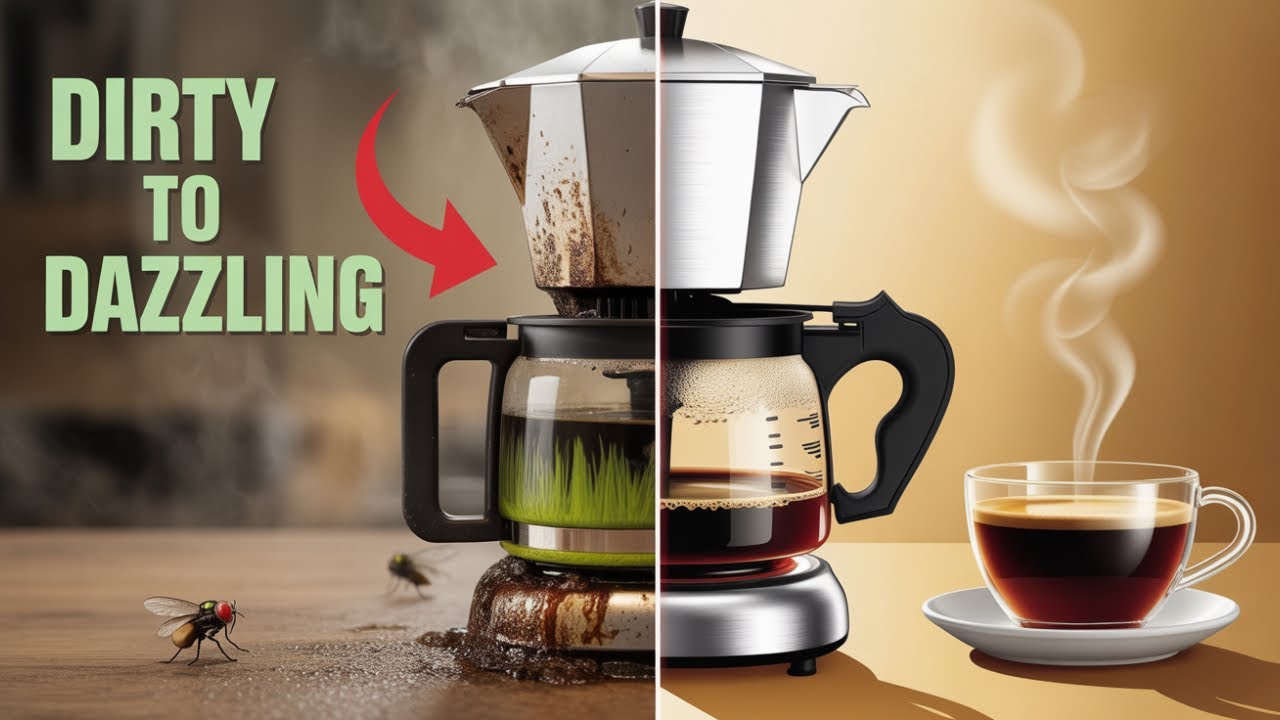
Credit: www.youtube.com
Causes Of Mold In Coffee Makers
Moisture and warmthcreate a perfect place for mold to grow. Coffee makers stay damp inside after use. Warm temperatures speed up mold growth inside the machine. Without proper drying, mold can spread quickly.
Neglected cleaninglets mold build up over time. Old coffee grounds and water residue feed mold spores. Cleaning every part regularly stops mold from forming. Mold hides in hard-to-reach parts, like the water reservoir and filter basket.
| Water Quality Impact | Effect on Mold Growth |
|---|---|
| Hard water (high minerals) | Leaves deposits that mold likes to grow on |
| Stagnant water | Encourages mold spores to settle and grow |
| Unfiltered tap water | Contains impurities that help mold develop |

Credit: annlouise.com
Signs Of Mold In Your Coffee Maker
Unusual odorscan signal mold in your coffee maker. A sour or musty smell often means mold growth inside.
Visible mold spotsmay appear as black, green, or white patches. Check the water reservoir, coffee pot, and filters carefully.
Taste changesare a clear sign too. Mold can cause bitter or strange flavors in your coffee. Fresh coffee should taste clean and smooth.
Essential Tools And Materials
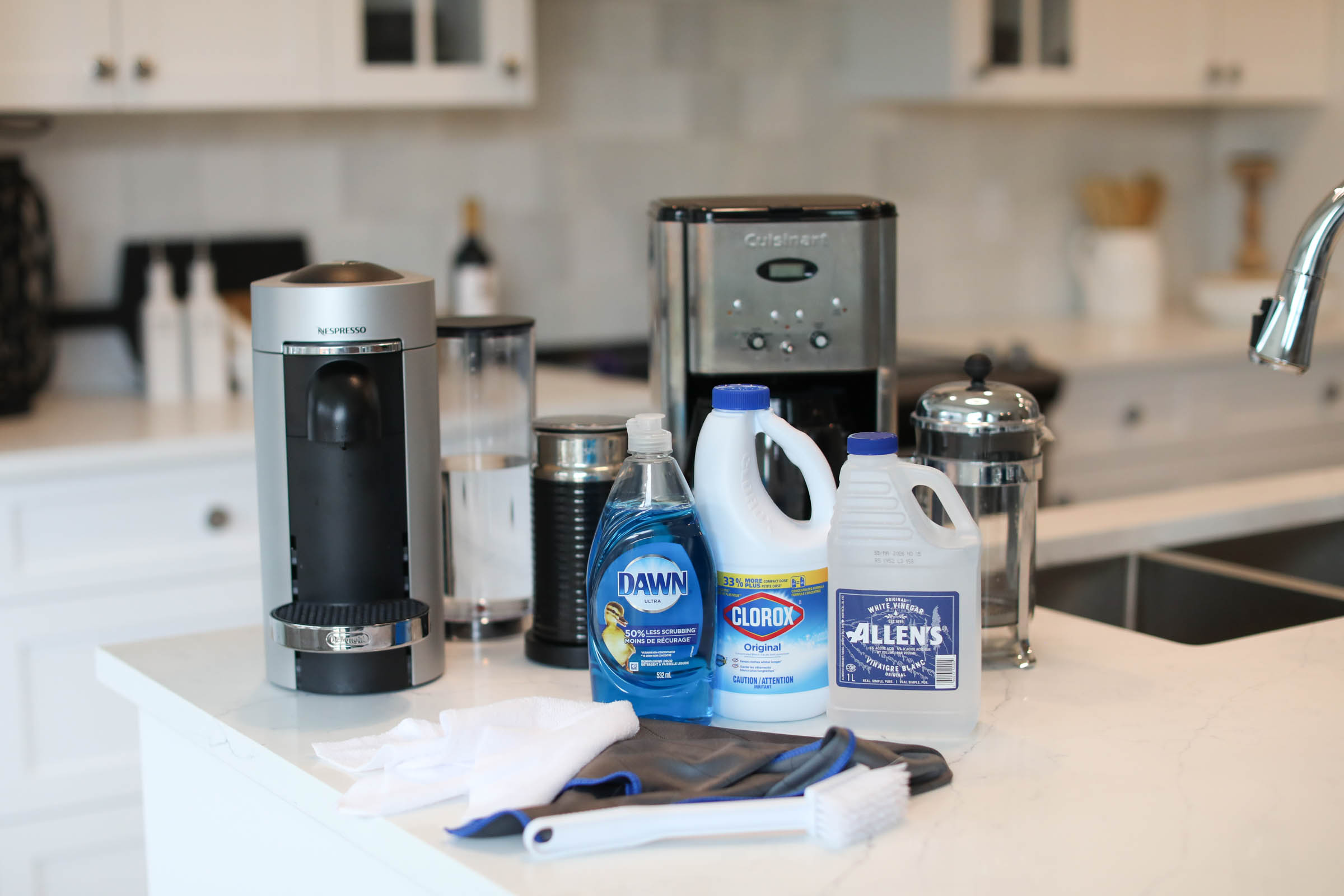
To clean mold from a drip coffee maker, gather some basic cleaning agents. White vinegar and baking soda work well. Vinegar kills mold and removes stains. Baking soda helps scrub away stubborn spots. Use mild dish soap for general cleaning too.
Brushes and clothsare important for reaching tight spots. A soft-bristle brush cleans the water reservoir and carafe. Microfiber cloths wipe surfaces without scratching. Paper towels can absorb excess moisture.
Protective gearkeeps you safe while cleaning mold. Use rubber gloves to protect your hands. Wearing a mask can stop you from breathing in mold spores. Eye protection helps if you splash cleaning liquids.
Credit: www.housework.com
Step-by-step Mold Removal Process
Remove the water reservoir, filter basket, and carafe carefully. These parts hold most of the mold. Place them on a clean surface to avoid spreading mold.
Fill a basin with warm water and a few drops of dish soap. Soak the parts for 15 to 20 minutes. Use a soft brush or sponge to scrub away mold spots. Pay attention to corners and crevices.
Mix equal parts white vinegar and water in the reservoir. Add a tablespoon of baking soda to the filter basket. Vinegar kills mold and baking soda removes odors. Let them sit for 30 minutes to work well.
Rinse all parts under running water. Make sure no vinegar or baking soda remains. Dry each piece completely with a clean cloth or air dry. Keep parts dry to stop mold from growing again.
Preventing Mold Growth
Keeping a regular cleaning schedulehelps stop mold from growing. Clean the coffee maker parts after every use. Use warm soapy water and rinse well. Dry all parts completely before reassembling.
Proper storage practicesare important too. Store the coffee maker in a dry place. Avoid leaving water inside the machine overnight. Remove coffee grounds quickly to prevent mold.
Using filtered waterreduces impurities that help mold grow. Filtered water also improves the taste of your coffee. Change the water daily to keep the machine fresh.
When To Replace Your Coffee Maker
Consider replacing your coffee maker if mold persists after cleaning. Mold can affect the taste and safety of your coffee. Regular cleaning may help, but persistent mold indicates it might be time for a new machine.
Persistent Mold Issues
Mold can be tough to completely remove. If you see mold often, it might be time for a new coffee maker. Mold can affect the taste of your coffee. It can also make you sick.Wear And Tear
Coffee makers have many moving parts. These parts can wear out over time. If your machine has leaks or broken buttons, consider a replacement. A worn-out machine won’t make good coffee.Health Considerations
Old machines can hide bacteria and mold. These can cause health problems. A new coffee maker can keep your coffee safe. You deserve a clean, safe cup every time. `Frequently Asked Questions
How Do I Clean Mold From My Drip Coffee Maker?
To clean mold, use a mixture of equal parts water and white vinegar. Run a brew cycle, then rinse with fresh water twice to remove residue.
What Causes Mold Growth In Coffee Makers?
Mold grows due to moisture and leftover coffee residue. Warm, damp environments inside the machine create ideal conditions for mold.
How Often Should I Clean My Coffee Maker To Avoid Mold?
Clean your coffee maker at least once a month. Regular cleaning prevents mold buildup and ensures better tasting coffee.
Can I Use Bleach To Remove Mold From Coffee Makers?
Avoid bleach as it can damage the machine and leave harmful residues. Vinegar is a safer and effective mold cleaner.
Conclusion
Cleaning mold from your drip coffee maker keeps your coffee fresh and safe. Regular cleaning stops mold from growing back. Use simple household items like vinegar and baking soda for best results. Always rinse parts well after cleaning. Let your coffee maker dry completely before use.
Small steps prevent health risks and improve taste. Stay consistent to enjoy better coffee every day. Keep your coffee maker mold-free and enjoy every cup.