
Do you wake up with a sore jaw or a headache and wonder why? You might be grinding your teeth at night without even realizing it.
Teeth grinding, or bruxism, can happen while you sleep and cause serious damage over time. But how can you be sure if it’s happening to you? You’ll discover the simple signs to watch for and what to do next. Keep reading to protect your smile and get the restful sleep you deserve.

Credit: www.smiledentalturkey.com
Signs Of Nighttime Teeth Grinding
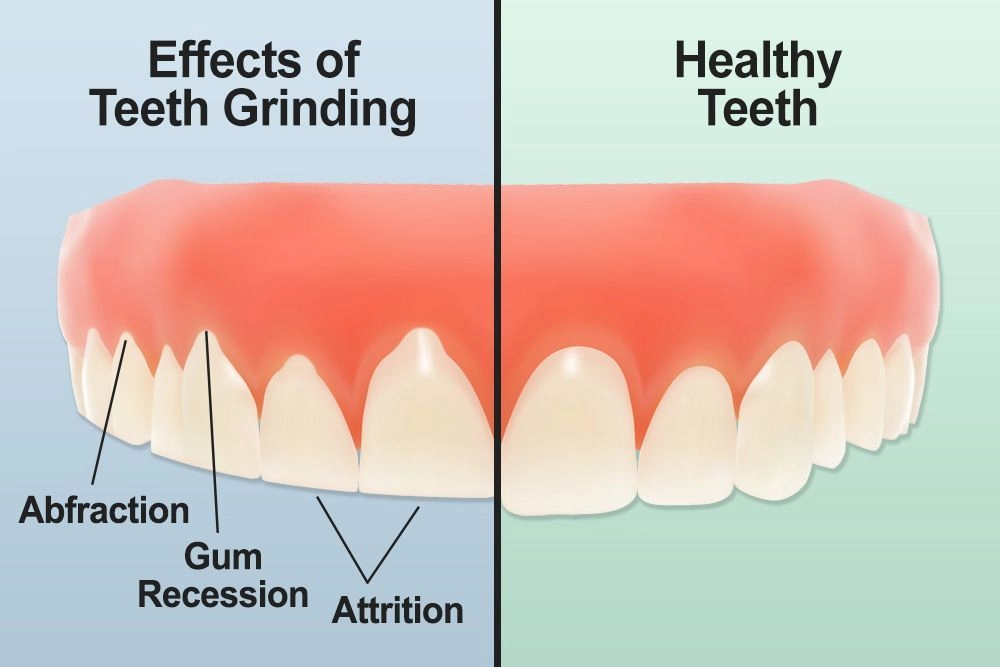
Common physical symptomsinclude a sore jaw, headaches, and worn tooth surfaces. Teeth may feel sensitive or loose. The jaw might click or pop when opening or closing the mouth. Some people wake up with a tight or tired jaw.
Effects on oral healthcan be serious. Grinding wears down enamel, leading to cavities or tooth damage. It can cause gum recession and increase tooth sensitivity. Over time, this may result in cracked or broken teeth.
- Behavioral indicatorsinclude restless sleep or waking up feeling tired.
- Partners may hear loud grinding noises at night.
- Stress or anxiety can increase the chance of grinding.
Causes Behind Teeth Grinding
Teeth grinding at night often happens due to stress and anxiety. Stress makes your jaw muscles tense and tight. This tension causes you to clench or grind your teeth during sleep.
Sleep disorderslike sleep apnea can also lead to grinding. When breathing stops briefly, your body reacts by tightening jaw muscles. This can cause teeth to grind unconsciously.
Lifestyle factorsplay a role too. Consuming too much caffeine or alcohol may increase grinding risk. Smoking and certain medications might also contribute to this habit. Poor sleep habits worsen the problem.
Self-assessment Techniques
Morning jaw painor soreness can be a key sign of teeth grinding. Many people feel tightness or discomfort in their jaw right after waking up. The pain might last for a few hours or even the whole day. This happens because grinding puts stress on the jaw muscles and joints.
Checking for tooth damageis another way to spot grinding. Look for worn enamel, chipped teeth, or increased sensitivity. These changes can happen slowly and may not be noticed immediately. Visiting a dentist can confirm if the damage is from grinding.
- Use a sleep diary or app to track sleep patterns.
- Note any unusual sounds like grinding or clenching during the night.
- Ask a partner or family member if they hear grinding noises.
- Track how often jaw pain or headaches occur after sleep.
Professional Diagnosis Methods
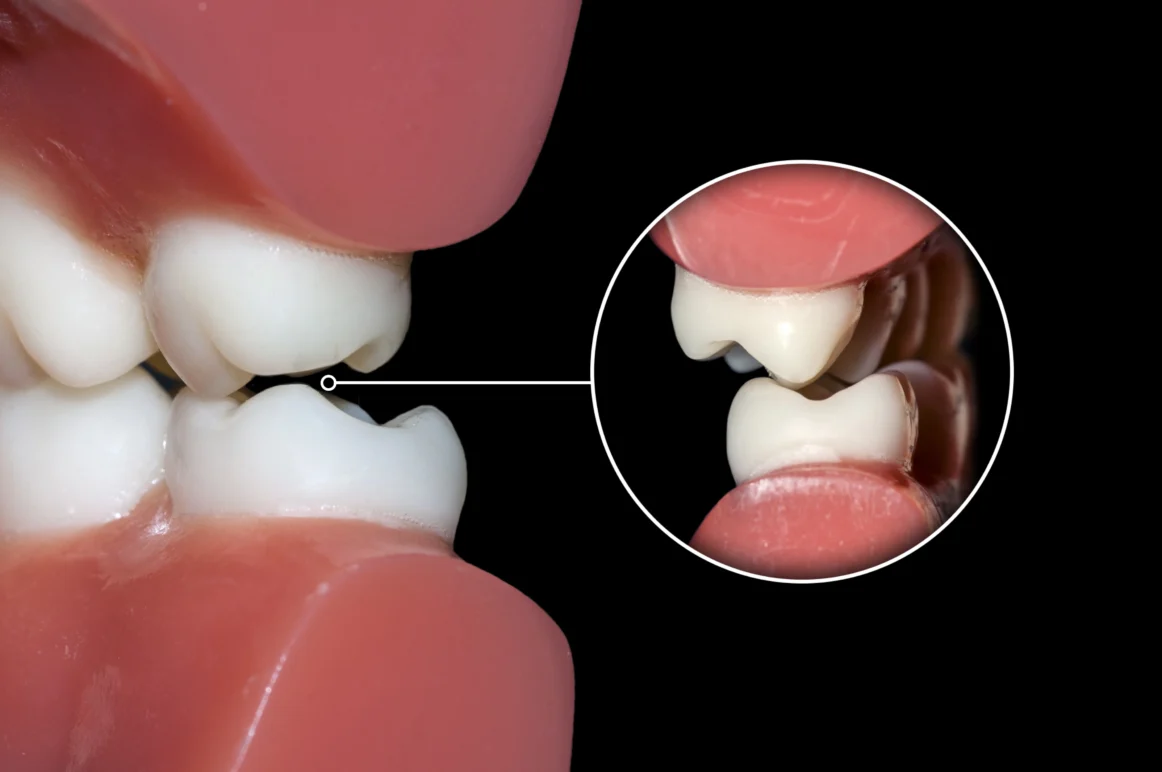
A dental examinationhelps spot signs of teeth grinding. Dentists look for worn tooth surfaces, chips, or cracks. Jaw muscles may feel sore or tight. Dentists also check for jaw joint pain or clicking sounds.
Sleep studiestrack body movements and sounds during sleep. They record teeth grinding noises and jaw muscle activity. This helps find out how often and how hard grinding happens.
Bite guardsare used to protect teeth at night. Wearing one can reduce damage from grinding. Dentists may fit custom guards for comfort and better protection.
Preventing And Managing Teeth Grinding
Stress can cause teeth grinding. Try these ways to feel calm:
- Take deep breaths slowly.
- Listen to soft, calm music.
- Do light exercises like walking.
- Talk to friends or family about worries.
- Try meditation or yoga before bed.
Good sleep helps stop grinding. Follow these tips:
- Go to bed and wake up at the same time daily.
- Keep your bedroom dark and quiet.
- Avoid screens and bright lights before sleep.
- Don’t eat or drink caffeine late at night.
- Make your bed comfortable for rest.
| Treatment | What It Does | How It Helps |
|---|---|---|
| Night Guard | A plastic shield for teeth | Protects teeth from grinding damage |
| Muscle Relaxants | Medicine to relax jaw muscles | Reduces jaw tightness and clenching |
| Stress Therapy | Counseling or talk therapy | Helps manage anxiety causing grinding |
| Dental Correction | Fixes bite or tooth problems | Reduces grinding caused by teeth issues |

Credit: www.burnestondental.com
Credit: dentspa.com
Frequently Asked Questions
What Are Common Signs Of Teeth Grinding At Night?
Common signs include jaw pain, headaches, worn teeth, and disturbed sleep. You may also notice tooth sensitivity and clicking sounds while sleeping.
How Can I Check If I Grind Teeth While Sleeping?
Look for morning jaw soreness or enamel wear. Ask a partner if they hear grinding noises at night.
Can Stress Cause Teeth Grinding During Sleep?
Yes, stress is a major trigger for nighttime teeth grinding. Managing stress can reduce grinding episodes significantly.
Is Teeth Grinding Harmful To Dental Health?
Yes, it can cause tooth damage, gum recession, and jaw disorders if untreated. Early detection prevents serious dental issues.
Conclusion
Grinding teeth at night can harm your smile and health. Watch for signs like jaw pain, headaches, or worn teeth. Ask a partner if they hear grinding sounds. Visit a dentist to check your teeth and get advice. Early action helps avoid serious problems later.
Protect your teeth and rest well each night. Simple steps can make a big difference in stopping teeth grinding. Stay aware and take care of your oral health today.