
If you want a perfect cup of pour over coffee, how you grind your beans matters more than you might think. The right grind size can unlock rich flavors and make every sip enjoyable.
But getting it just right can be tricky. In this guide, you’ll learn simple steps to grind your coffee perfectly for pour over, so you can enjoy a smooth, balanced brew every time. Keep reading, and your morning coffee will never be the same.
Choosing The Right Grind Size
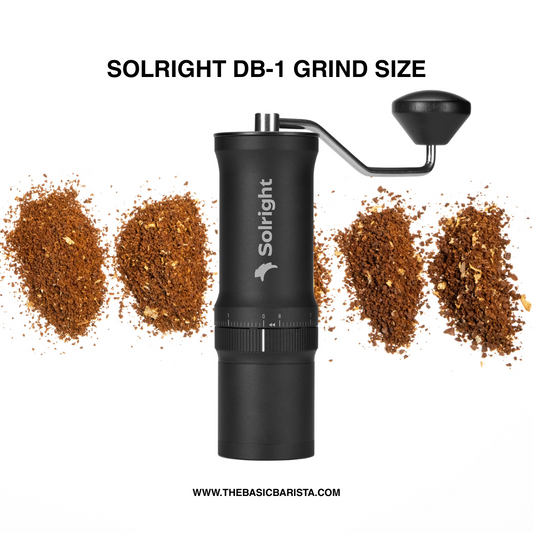
Grind size controls how fast water flowsthrough coffee grounds. Too coarse means water runs too fast. Too fine means water takes too long. Both affect taste. Pour over needs a medium to medium-fine grind. This lets water extract flavors well.
Here is a simple guide for grind size:
| Grind Size | Effect on Brew | Recommended Use |
|---|---|---|
| Coarse | Water flows quickly, weak taste | French press |
| Medium-Coarse | Balanced flow, some richness | Chemex pour over |
| Medium | Good extraction, smooth taste | Standard pour over |
| Medium-Fine | Slower flow, stronger taste | Pour over with longer brew time |
| Fine | Very slow flow, bitter taste | Espresso |
Adjust grind size to change brew time. Longer brew time means finer grind. Shorter brew time needs coarser grind. Small changes can make big taste differences. Test and find what works best for your taste.

Credit: www.youtube.com
Types Of Coffee Grinders
Blade grindersuse spinning blades to chop coffee beans. They are usually less expensiveand easy to find. But, they can create uneven grind sizes. This may affect the taste of your pour over coffee.
Burr grinderscrush beans between two burrs. This gives a consistent grindwhich is better for pour over. Burr grinders are often more durableand allow grind size control.
| Manual | Electric | |
|---|---|---|
| Ease of Use | Needs physical effort | Quick and easy |
| Price | Usually cheaper | Tends to cost more |
| Portability | Light and small | Larger and needs power |
| Noise Level | Quiet | Loud |
Grinding Techniques
Grinding coffee for pour over requires consistent particle size. Uneven grounds lead to uneven extractionand bitter taste. A burr grinder is best for uniform grind. Blade grinders often produce mixed sizes.
Avoid overheatingthe beans during grinding. Heat can damage flavor. Grind in short bursts and pause to cool the grinder. This keeps the coffee fresh and tasty.
Grinding just before brewingkeeps the coffee fresh. Ground coffee loses aroma quickly. Grinding too early makes the coffee stale. Prepare your grounds right before making the pour over.
Measuring Coffee For Pour Over
Coffee-to-water ratiois key for perfect pour over coffee. A common ratio is 1:16, meaning 1 gram of coffee for every 16 grams of water. This ratio helps extract a balanced flavor.
Using a scaleensures you get the right amount of coffee and water. Measuring by weight is more accurate than using spoons. Place your cup or dripper on the scale, zero it, then add coffee. Pour water slowly while watching the scale.
Adjusting amounts for tastelets you find your favorite strength. Use more coffee for a stronger brew. Use less coffee or more water for a lighter taste. Small changes make a big difference.
Common Grinding Mistakes
Grinding coffee too fine can make the brew bitter. Too coarse, and it will taste weak or sour. Finding the right grind size is key for a good pour over.
Grind size must be consistent. Uneven particles cause uneven extraction. Some parts become over-extracted and others under-extracted. This ruins the flavor and balance of the coffee.
Grinding in small batches is better. Grinding large amounts at once can cause the coffee to lose freshness. Freshly ground coffee gives the best taste and aroma.

Credit: www.tasteofhome.com
Maintaining Your Grinder
Regular cleaning keeps your grinder working well and your coffee tasting fresh. Use a small brush to remove coffee dust from blades or burrs after each use. Avoid water on burr grinders; use a dry cloth instead. For blade grinders, wipe with a damp cloth and dry immediately.
Blade grinders need less care but should be cleaned often to avoid stale coffee flavors. Burr grinders require more attention. Clean burrs every few weeks by removing them carefully and brushing away old coffee grounds.
| Part | Cleaning Frequency | Replacement Time |
|---|---|---|
| Blades | After every use | Every 1-2 years, if dull |
| Burrs | Every 2-4 weeks | Every 1-3 years, depending on usage |
| Grind Chamber | Weekly | Replace if cracked or damaged |

Credit: www.wholelattelove.com
Frequently Asked Questions
What Grind Size Is Best For Pour Over Coffee?
A medium-fine grind is ideal for pour over coffee. It allows optimal water flow and extraction. Too coarse or too fine grinds can result in weak or bitter coffee.
How Does Grind Size Affect Pour Over Taste?
Grind size controls extraction rate. Finer grinds increase extraction, making coffee stronger and more bitter. Coarser grinds reduce extraction, causing sour or weak flavors.
Can I Use A Blade Grinder For Pour Over?
Blade grinders are less consistent than burr grinders. They produce uneven grind sizes, affecting flavor and extraction. Burr grinders are recommended for uniform grind and better pour over coffee.
How To Adjust Grind Size For Different Pour Over Drippers?
Drippers vary in brew speed. Use a finer grind for faster drippers to slow extraction. Use a coarser grind for slower drippers to avoid over-extraction.
Conclusion
Grinding coffee for pour over takes care and attention. Choose the right grind size for your coffee maker. Use a consistent grind to get the best flavor. Freshly ground coffee makes each cup taste better. Experiment a little to find what you enjoy most.
Keep your grinder clean for a pure taste. Small changes can make a big difference in your brew. Enjoy the simple pleasure of a well-made pour over.