
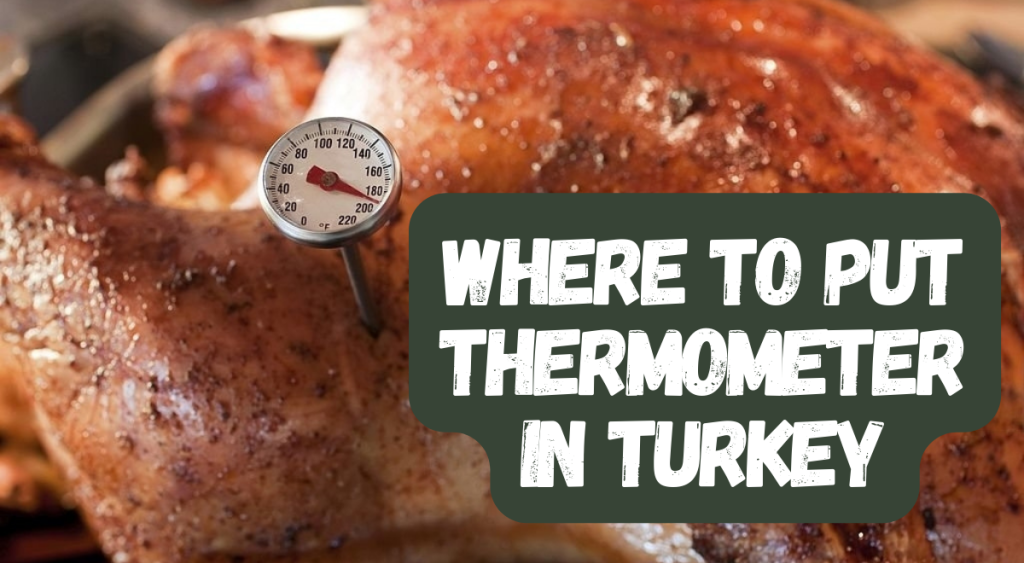
Cooking a turkey to perfection involves more than just seasoning and patience; it requires precision. Knowing exactly when your turkey breast reaches the ideal temperature can make all the difference between a moist, delicious meal and a dry, disappointing one.
That’s where inserting a probe correctly comes into play. You might feel a bit nervous about getting it right, but don’t worry—you’re not alone. Many people find themselves puzzled over this crucial step. By understanding how to properly insert a probe into a turkey breast, you gain control over your cooking process, ensuring you serve a juicy, flavorful dish every time.
Stick around, and you’ll discover the simple steps to mastering this essential cooking technique, giving you the confidence to impress your family and friends.
Choosing The Right Probe
Choosing the right probeis key for cooking turkey breast properly. Probes come in different types, each with its own benefits. Wireless probes offer freedom of movement and ease of use. Wired probes provide direct and often more reliable readings. Both types can help you track the meat’s temperature accurately.
Important features to consider include:
- Temperature range:Make sure it covers the turkey’s cooking temperatures.
- Probe material:Stainless steel is durable and easy to clean.
- Display type:Clear digital screens help read temperatures quickly.
- Alert system:Some probes notify when the turkey reaches the set temperature.
- Length of cable:For wired probes, ensure the cable is long enough for your oven.
Preparing The Turkey Breast
Thaw the turkey breast in the fridge for 24 hours. Avoid thawing at room temperature to keep it safe. Rinse the breast under cold water and pat dry with paper towels. This helps remove any leftover packaging juices and bacteria.
- Use salt, pepper, garlic powder, and paprika for simple seasoning.
- Rub the spices evenly on the entire breast for better flavor.
- Let the seasoned turkey sit for 15 minutes before cooking.
Prepare a clean workspace and have all tools ready. Preheat the oven or grill to the right temperature. Keep a food thermometer nearby to check the turkey’s doneness.
Correct Probe Insertion Techniques
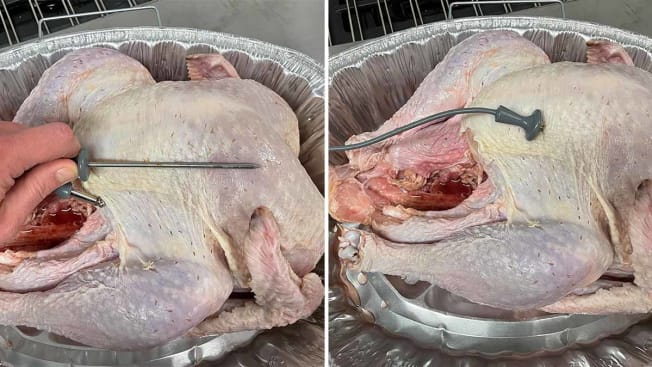
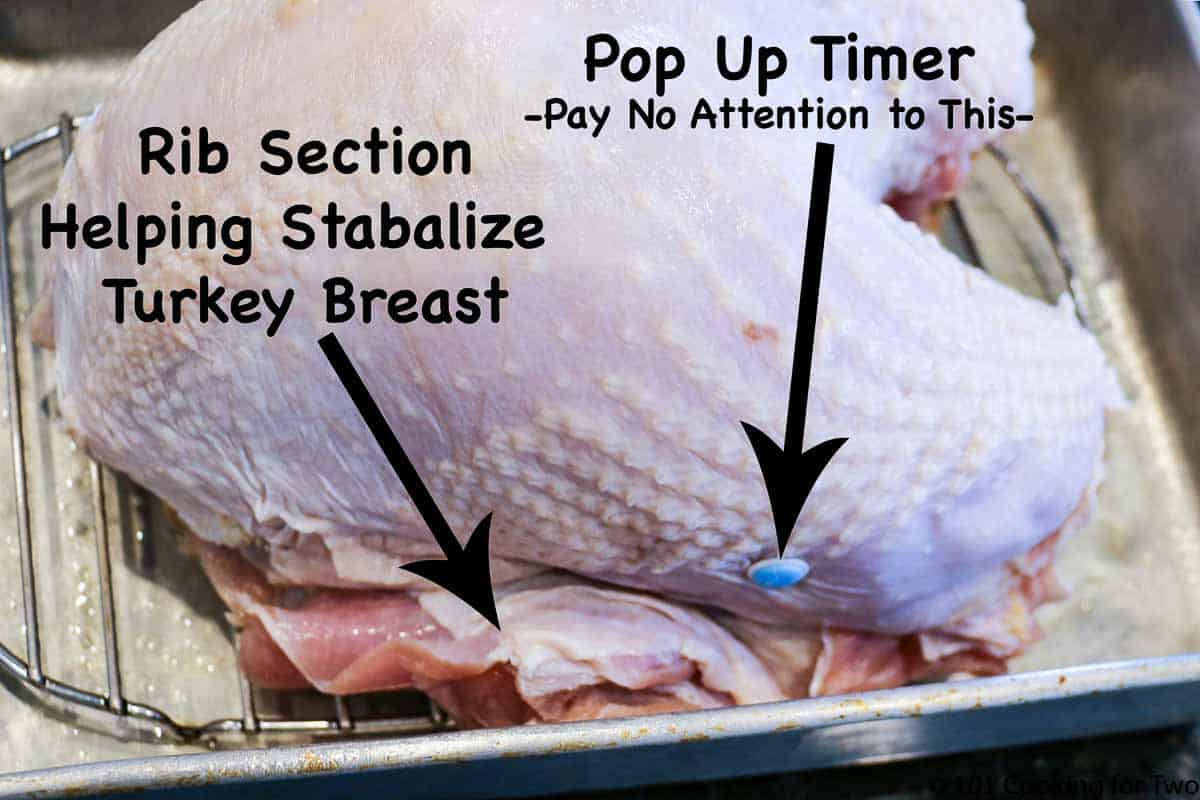
Locate the thickest partof the turkey breast for the best probe placement. This helps the probe measure the true internal temperature accurately. Avoid thin edges as they cook faster and give wrong readings.
Insert the probe slowlyto avoid tearing the meat. Push the probe straight in, not at an angle, to stay in the thick meat. This keeps the turkey juicy and avoids leaks.
- Push the probe until the tip reaches the center of the thickest part.
- Secure the probe so it does not move during cooking.
- Use kitchen twine or clips to hold the wire in place.
- Make sure the probe wire is not touching bone, as it gives false readings.
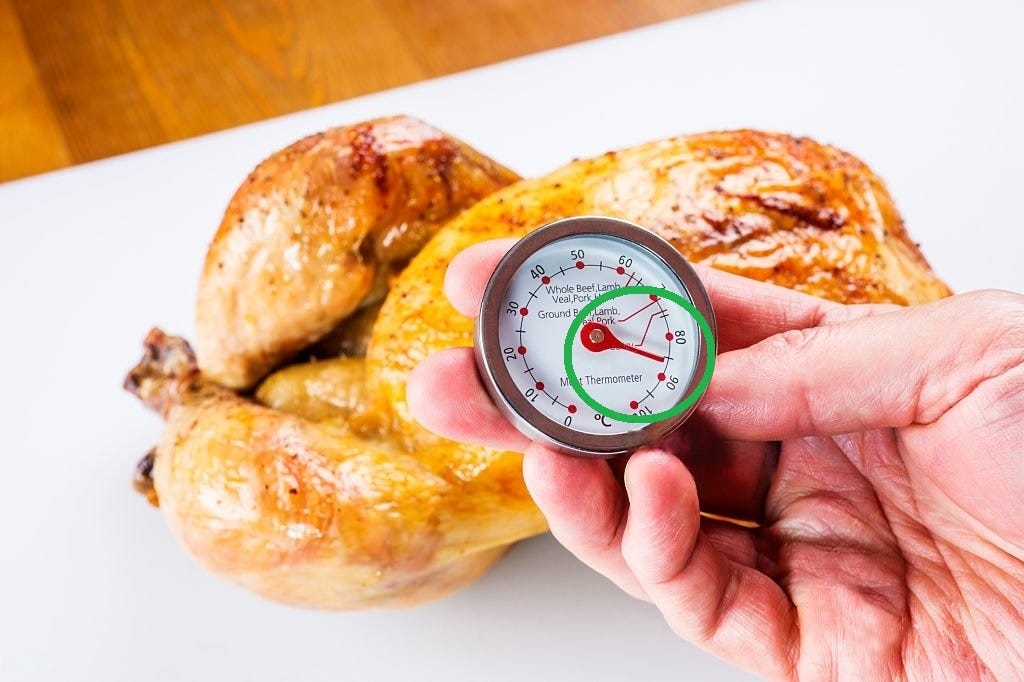
Credit: medium.com
Monitoring Temperature For Perfect Doneness
Ideal temperature targetsensure the turkey breast cooks just right. Aim for an internal temperature of 165°F (74°C). This temperature kills bacteria and keeps the meat juicy. Use a probe thermometer to check the thickest part of the breast. Insert the probe before cooking starts for accurate monitoring.
Using alerts and timers helps prevent overcooking. Set the timer to remind you to check the temperature. Many thermometers have built-in alarms that beep once the target temperature is reached. This keeps you from opening the oven too often.
Avoiding overcookingis key to tender meat. Removing the turkey breast as soon as it hits 165°F stops it from drying out. Let the meat rest for 10-15 minutes after cooking. This lets juices spread evenly.
Post-cooking Probe Removal And Cleaning
Remove the probe carefully after cooking to avoid burns. Let the turkey rest first, so juices settle. Gently pull out the probe straight from the meat.
Cleaning the probe is important to keep it working well. Wipe it with a damp cloth or use warm soapy water. Avoid soaking the entire probe, especially the electronic parts.
Dry the probe completely before storing it. Keep it in a safe place away from heat and moisture. This helps the probe last longer and stay accurate.
- Use mild soap and water for cleaning.
- Do not immerse the probe fully in water.
- Store in a dry, cool place.
- Check the probe regularly for damage.
Credit: www.consumerreports.org
Credit: www.101cookingfortwo.com
Frequently Asked Questions
How Do I Insert A Probe In Turkey Breast Correctly?
Insert the probe into the thickest part of the turkey breast. Avoid touching bone or fat for accurate temperature reading. Push the probe gently until the tip reaches the center of the meat.
Where Should The Probe Be Placed In Turkey Breast?
Place the probe in the center of the thickest section. This spot ensures the most accurate internal temperature measurement. Avoid areas near the bone or skin.
Why Is Probe Placement Important For Turkey Breast?
Proper probe placement ensures even cooking and food safety. It prevents undercooked or overcooked meat by providing accurate temperature readings. This helps maintain juiciness and texture.
Can I Insert The Probe Before Cooking Turkey Breast?
Yes, you can insert the probe before cooking. Make sure it is securely placed in the thickest part. This allows real-time temperature monitoring throughout cooking.
Conclusion
Inserting a probe in turkey breast ensures perfect cooking every time. It helps check the meat’s temperature inside. This avoids undercooking or drying out the turkey. Always insert the probe in the thickest part of the breast. Keep the probe steady and avoid touching bone.
This simple step makes your turkey juicy and safe to eat. Practice this technique for better holiday meals or daily cooking. Your turkey will turn out tender, flavorful, and delicious. Give it a try and enjoy great results!