
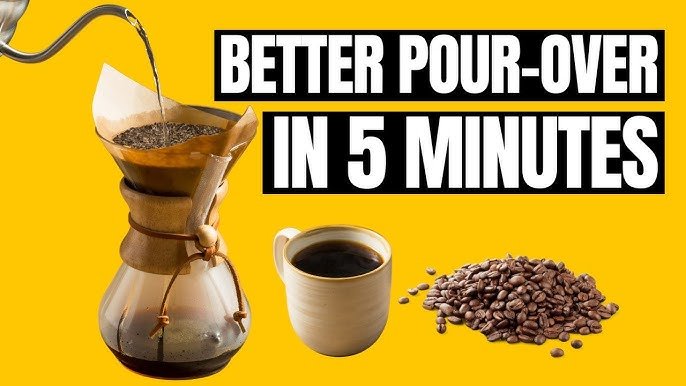
If you want to make the perfect cup of pour over coffee, it all starts with grinding your beans just right. The way you grind your coffee affects the flavor, aroma, and strength of your brew.
Too coarse or too fine, and your coffee might taste weak or bitter. But don’t worry—this guide will show you exactly how to grind your coffee for the best pour over experience. By the end, you’ll know the simple steps to unlock rich, delicious coffee every time.
Ready to upgrade your morning routine? Let’s dive in.
Choosing Coffee Beans
Choosing the right coffee beans is key for a great pour over. Freshness matters most. Fresh beans give the best flavor and aroma. Coffee should be used within a few weeks of roasting. Look for roast dates on the bag.
| Type | Description | Flavor Profile |
|---|---|---|
| Single Origin | Beans from one location or farm. | Unique, distinct flavors from that area. |
| Blends | Mix of beans from different places. | Balanced, consistent taste. |

Credit: thebasicbarista.com
Grind Size Basics
Grind size affects the taste and brewing time of pour over coffee. Use a medium grind for balanced flavor and smooth flow. Adjust grind finer for stronger taste or coarser for lighter coffee.
Why Grind Size Matters
Grind sizechanges how water flows through coffee grounds. Too fine, and water moves slowly, making coffee bitter. Too coarse, and water flows quickly, making coffee weak. The right grind size helps extract the best flavor. It balances taste and brewing time perfectly.
Ideal Grind For Pour Over
The perfect grind is usually medium to medium-fine. It looks like sand, not powder or pebbles. This size lets water flow evenly and extracts a clean, bright taste. Using a burr grinder helps get a consistent grind. Consistency is key for a great pour over coffee.
Types Of Grinders
Choosing the right grinder affects your pour over coffee’s flavor and texture. Burr grinders offer consistent grind sizes, while blade grinders are less precise but more affordable. Understanding these types helps achieve the perfect coffee extraction.
Blade Grinders
Blade grindersuse spinning blades to chop coffee beans. They are usually less expensiveand easy to use. The grind size can be uneven, which can affect the taste of your coffee. These grinders work best for quick brewingmethods but may not be ideal for pour over.
Burr Grinders
Burr grinderscrush beans between two burrs. They provide a consistent grind size, which is important for pour over coffee. Burr grinders are often adjustable, letting you choose fine or coarse grounds. These grinders give better control and improve coffee flavor.

Credit: www.wholelattelove.com
Adjusting Grind Settings
The grind size affects how coffee brews. A coarse grindlooks like sea salt. It lets water flow quickly, making brew time shorter. A fine grindfeels like sugar or flour. It slows water flow, making brew time longer.
Match the grind size to the brew time. Use this guide:
| Grind Size | Brew Time | Result |
|---|---|---|
| Coarse | 2-3 minutes | Fast extraction, lighter taste |
| Medium | 3-4 minutes | Balanced flavor |
| Fine | 4-5 minutes | Slow extraction, stronger taste |
Adjust grind size slowly. Test small changes to find the best taste. Coarser grinds for faster brews. Finer grinds for slower brews. Keep notes for each change.
Grinding Techniques
Consistent grindingis key for a great pour over coffee. Use a burr grinder to get even coffee grounds. Avoid blade grinders because they create uneven sizes. Small and uniform grounds help water flow evenly and extract better flavor.
Avoid overheatingthe coffee beans during grinding. Overheating can make the coffee taste bitter or burnt. Grind in short bursts instead of long continuous grinding. This keeps the beans cool and preserves their natural taste.
- Use a burr grinder for uniform grind size
- Grind just before brewing for fresh taste
- Grind in short bursts to prevent heat build-up
- Keep the grinder clean to avoid old coffee mixing
- Adjust grind size based on brew time and taste
Brewing With Ground Coffee
Use a digital scaleto measure coffee grounds. A good rule is 15 gramsof coffee for every 250 mlof water. This keeps the taste balanced. Avoid guessing; too much coffee makes the brew bitter, too little makes it weak.
Grind the coffee just before brewing. Use a medium grind, like sand. Too coarse won’t extract well. Too fine will clog the filter.
- Place the filter in the dripper and rinse with hot water.
- Add the ground coffee to the filter and shake gently to level.
- Pour a little hot water over grounds, just enough to wet them.
- Wait for 30 seconds for coffee to bloom.
- Pour water slowly in small circles, keeping the coffee grounds wet.
- Wait for the water to drip through completely.
- Remove dripper and enjoy fresh coffee.
Troubleshooting Common Issues
Grind size affects pour over coffee taste and extraction. Too coarse or too fine grinds can cause weak or bitter coffee. Adjust the grinder until the coffee flows smoothly and tastes balanced.
Bitter Or Sour Taste
Bitter tasteoften means coffee grounds are too fine or brewing time is too long. Try using a coarser grindand shorten the brewing time. Sour taste usually happens when grounds are too coarse or water is too cool. Use a finer grindand hotter water, about 195-205°F (90-96°C). Also, make sure to pour water evenly over the grounds to avoid uneven extraction.
Weak Or Watery Coffee
Weak coffee means too little coffeeor too much water. Use the right ratio: about 1 gram of coffee for every 15-17 grams of water. Grind size matters too. If coffee tastes watery, try a finer grindto slow down water flow. Make sure water pours slowly and steadily to extract the full flavor.
Maintaining Your Grinder
Keep your grinder clean by brushing out old coffee grounds after each use. Regular maintenance ensures a consistent grind size for better pour over flavor. Check and adjust the burrs to maintain even grinding and avoid clogs.
Cleaning Frequency
Regular cleaningkeeps your grinder working well. Clean the burrs every 1-2 weeksif you use it daily. Coffee oils and crumbs can build up fast. This affects the taste and grinder life. Use a soft brush or cloth to remove debris. Avoid water unless the grinder is designed for it.
Parts Replacement
Replace burrs after about 500-1000 poundsof coffee ground. Dull burrs grind unevenly and cause bad flavor. Check the burrs for wear every few months. Other parts like the hopper or lid may need replacement if cracked or broken. Use only parts made for your grinder model to keep it safe and working well.

Credit: www.passportcoffeeshop.com
Frequently Asked Questions
What Grind Size Is Best For Pour Over Coffee?
A medium to medium-fine grind is ideal for pour over coffee. It allows proper water flow and extraction. Avoid too coarse or too fine grinds to prevent weak or bitter coffee.
How Does Grind Size Affect Pour Over Taste?
Grind size controls extraction speed. Finer grinds slow water flow, producing stronger coffee. Coarser grinds speed up flow, resulting in lighter taste. Adjust grind size to balance flavor and strength.
Should I Grind Coffee Beans Fresh For Pour Over?
Yes, grinding coffee beans fresh preserves flavor and aroma. Grind just before brewing to maximize freshness and taste. Pre-ground coffee loses essential oils and freshness quickly.
What Tools Are Best For Grinding Pour Over Coffee?
A burr grinder is best for pour over coffee. It provides consistent grind size and better control. Avoid blade grinders, as they produce uneven grounds and affect flavor.
Conclusion
Grinding coffee for pour over takes care and attention. Use a medium grind size for best results. Freshly ground coffee brings out the rich flavors. Consistency in grind helps water flow evenly. Avoid grinding too fine or too coarse. Small changes affect taste more than you think.
Practice makes the process smooth and enjoyable. Enjoy your cup, brewed just the way you like. Keep experimenting to find your perfect grind setting. Happy brewing!