
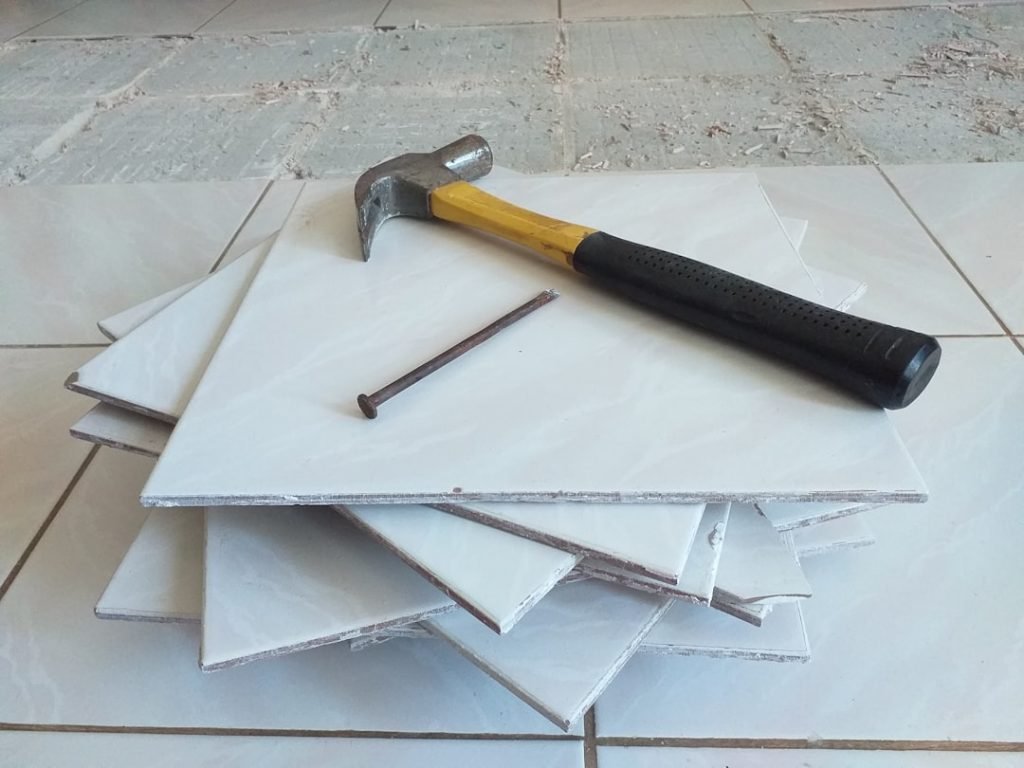
Are you ready to tackle your tile cutting project with confidence? Cutting tiles might seem tricky, but with the right tool and technique, you can get clean, precise cuts every time.
Using an angle grinder to cut tiles is faster and more efficient than many other methods. In this guide, you’ll learn simple steps to master this skill safely and effectively. By the end, you’ll feel empowered to handle your tile cutting needs like a pro—no stress, no mistakes.
Keep reading to discover how to transform your space with perfect tile cuts!
Credit: www.tileshop.com
Choosing The Right Angle Grinder
Angle grinders come in different types. Some are corded, others cordless. Corded grinders offer consistent powerbut need a plug. Cordless grinders give freedom of movementbut may run out of battery. Choose a grinder with a small wheel size(around 4.5 to 5 inches) for better control when cutting tiles.
| Feature | Importance for Tile Cutting |
|---|---|
| Wheel Size | Smaller wheels offer better precision and control |
| Power | Higher power helps cut through tough tiles easily |
| Variable Speed | Allows adjusting speed for different tile types |
| Safety Guard | Protects from sparks and debris |
- Wear eye protectionto guard against flying shards.
- Use ear plugsto protect your hearing.
- Wear a dust maskto avoid breathing dust.
- Keep the grinder’s guard in placeat all times.
- Secure the tile firmly before cutting.
Selecting The Proper Blade
Diamond bladesare the best choice for cutting tiles. They cut smoothly and last longer. Other blades, like abrasive ones, wear out fast and may damage tiles. Diamond blades have small diamond particles that grind through tile easily.
| Blade Size | Use | Thickness |
|---|---|---|
| 4-4.5 inches | Small cuts, detailed work | Thin for precision |
| 7-9 inches | Standard tile cutting | Medium thickness |
| 10-14 inches | Large tiles, heavy duty | Thicker for strength |
Keep blades clean to avoid damage. Use water to cool the blade during cutting. Check blade edges often and replace if worn out. Store blades in a dry place to stop rust. Proper care means longer blade lifeand better cuts.
Preparing The Workspace
Clear the workspace to avoid accidents. Remove all loose items and debris.
Secure the tiles on a stable surface to prevent slipping. Use clamps if possible.
Ensure the area has bright lightingto see cutting lines clearly.
Good ventilation is important to reduce dust and fumes.
Wear protective gearbefore starting:
- Safety goggles to protect eyes
- Gloves for hand safety
- Dust mask to avoid inhaling particles
- Ear protection to reduce noise
Marking And Measuring Tiles
Use a pencil or a fine-tip marker for clear lines on tiles. A ruler or measuring tape helps get exact lengths. A square tool ensures the lines are perfectly straight. For curved cuts, use a flexible curve ruler or stencil.
- Measure twice to avoid mistakes.
- Mark the tile clearly but lightly.
- For straight cuts, use a straightedge to guide your marks.
- For curved cuts, trace the curve slowly and carefully.
Double-check all measurements before cutting. Mistakes waste tiles and time. Confirm the marks match your project needs. Precise marking leads to clean and accurate cuts.
Cutting Techniques
Always wear safety gogglesand gloves before cutting tiles. Place the tile on a stable surface. Use a masking tapeon the cut line to prevent chipping. Hold the angle grinder firmly and start the cut slowly. Let the blade reach full speed before touching the tile. Avoid forcing the blade; guide it gently along the marked line.
Keep your hand steady to ensure a clean cut. Move the grinder in a smooth, consistent motion. Avoid stopping and starting mid-cut to prevent rough edges. Keep your body balanced to maintain control of the tool. Take breaks if your hand feels tired.
| Tile Material | Blade Type | Cutting Tip |
|---|---|---|
| Ceramic | Diamond blade | Cut slowly to avoid cracks |
| Porcelain | Continuous rim blade | Use water to cool blade |
| Natural stone | Aggressive diamond blade | Apply light pressure |
Finishing And Smoothing Edges
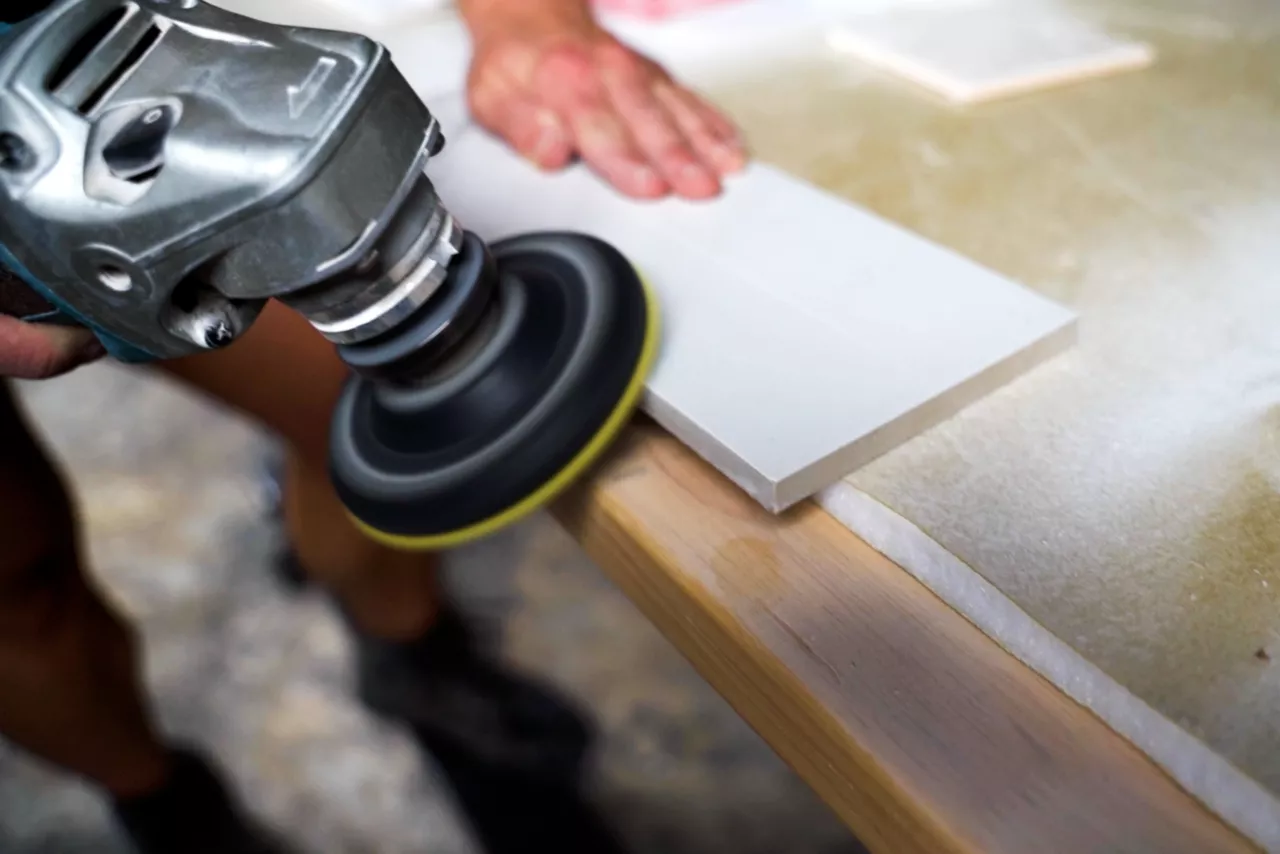
Use a grinding discon the angle grinder to smooth tile edges. Hold the grinder firmly and move it slowly along the cut edge. This will remove rough spots and make edges safe to touch.
Sharp edges can cause cuts or cracks. Carefully grind the edges until they feel smooth and even. Check by running your fingers gently along the tile edge.
Cleaning the tiles after cutting is important. Use a damp cloth to wipe away dust and debris. This keeps tiles ready for installation and ensures a clean look.
Troubleshooting Common Issues
Tile cracksoften happen from too much pressure or wrong blade type. Use a diamond blademade for tiles. Cut slowly and do not push hard. Keep the tile steady to avoid shaking or slipping. Wet the tile or blade to reduce heat and cracks.
Uneven cutsresult from moving the grinder too fast or not marking the line well. Mark the cut line clearly with a pencil or tape. Hold the grinder steady and follow the line slowly. Use both hands for control. Check blade alignment before cutting.
Blade dulling causes poor cuts and more heat. Replace the blade when it looks worn or cuts poorly. Clean the blade after use to stop dust buildup. Use the right blade for your tile type to keep it sharp longer.

Credit: www.orientbell.com
Maintenance Of Tools
Keeping the angle grinder clean is key to good performance. Use a soft brush to remove dust and debris after each use. Wipe the body with a damp cloth but avoid water near the motor. Check the vents regularly to stop clogging.
Replace the blade when it looks dull or chipped. Using a worn blade can cause poor cuts and stress the motor. Always use the right blade for the material. Tighten the blade firmly but do not overtighten.
- Store the angle grinder in a dry place.
- Keep it in a case or on a shelf to avoid damage.
- Ensure the power cord is not tangled or bent.
- Keep blades separate to prevent dulling.

Credit: www.familyhandyman.com
Frequently Asked Questions
How Do You Safely Cut Tiles With An Angle Grinder?
Always wear safety goggles and gloves before cutting. Secure the tile on a stable surface. Use a diamond blade for clean cuts. Cut slowly to avoid overheating and chipping. Keep the grinder steady and follow marked lines precisely.
What Type Of Blade Is Best For Cutting Tiles?
A diamond-tipped blade is ideal for cutting tiles. It ensures smooth, precise cuts and lasts longer. Avoid using standard metal-cutting blades as they can damage tiles. Choose a blade size compatible with your angle grinder for optimal performance.
Can An Angle Grinder Cut Different Tile Materials?
Yes, an angle grinder can cut ceramic, porcelain, and stone tiles. Adjust the blade type and speed based on tile hardness. Use water to reduce dust and cool the blade for stone tiles. Practice on scrap tiles to master technique.
How To Prevent Tile Chipping When Using An Angle Grinder?
Score the tile surface lightly before cutting fully. Use a slow, steady cutting speed. Support the tile edges to reduce vibration. Choose a high-quality diamond blade designed for tile cutting. Apply water to minimize dust and heat buildup.
Conclusion
Cutting tiles with an angle grinder is simple and effective. Always wear safety gear to protect yourself. Mark your tile clearly before cutting. Move the grinder slowly for a clean edge. Take breaks to avoid overheating the tool. Practice on spare tiles to build confidence.
With patience, your cuts will look neat and precise. This method saves time and effort for your projects. Keep your workspace clean and organized. Soon, you will handle tile cutting with ease and safety.