
If you love grilling, you know how important clean grill grates are for perfect meals. But cleaning gas grill grates can feel like a tough, messy job.
What if you could make it quick and easy? You’ll discover simple steps to get your grill grates spotless and ready for your next cookout. Say goodbye to stuck-on food and rust, and hello to better-tasting grilled dishes. Keep reading—you’ll wonder why you didn’t start cleaning this way sooner!

Credit: americanmadegrills.com
Choosing The Right Tools
Cleaning gas grill grates well keeps your food tasting great. Using the right tools helps remove grease and burnt bits easily. Picking tools made for grills protects your grates and saves time.
There are many cleaning tools to choose from. Knowing their uses helps you pick the best one for your grill. Let’s look at some common options.
Types Of Grill Brushes
Grill brushes come in different styles. Each type works well for certain grates and cleaning needs. Here are the main types:
- Wire Brushes:These have metal bristles that scrape off stuck food. Use with care to avoid scratching.
- Brass Brushes:Softer than wire, good for delicate grates. They clean without damage.
- Nylon Brushes:Best for ceramic or porcelain grates. They are safe but less strong.
- Scraper Brushes:Combine a scraper edge with bristles. Great for tough grime.
Alternative Cleaning Tools
Some people prefer tools without bristles. These alternatives clean grates safely and effectively. Here are common ones:
| Tool | Description |
| Grill Stone | A pumice-like block that scrubs off residue gently. |
| Ball of Aluminum Foil | Crushed foil you rub on grates to remove buildup. |
| Steam Cleaners | Use hot steam to loosen grease before brushing. |
| Scraper Tool | A flat blade to scrape off stuck food. |
Credit: behindthegrill.com
Preparing Your Grill
Cleaning your gas grill grates starts with good preparation. This helps make the cleaning easier and safer.
Before you clean, you need to get your grill ready. This includes checking safety and warming up the grill.
Safety Precautions
Always turn off the gas supply before cleaning your grill. This stops any leaks or accidents.
Wear gloves to protect your hands from heat and sharp edges on the grates. Keep a fire extinguisher nearby just in case.
- Turn off gas supply
- Wear heat-resistant gloves
- Keep a fire extinguisher close
- Work in a well-ventilated area
Preheating The Grill
Turn on your grill and set it to high heat. Let it heat for 10 to 15 minutes. This burns off leftover food and grease.
After preheating, use a grill brush to scrape off the burnt bits. This makes the grates easier to clean.
- Set grill to high heat
- Heat for 10 to 15 minutes
- Scrape grates with a grill brush
- Turn off grill before deep cleaning
Cleaning Methods
Cleaning gas grill grates keeps your grill safe and working well. Dirt and grease build up after cooking.
There are several ways to clean grates. You can scrub, use heat, or apply cleaning solutions.
Manual Scrubbing Techniques
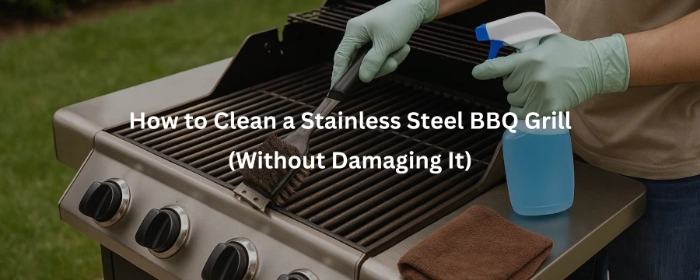
Scrubbing is a simple way to remove grime. Use a brush with stiff bristles made for grills.
Scrub each grate carefully to avoid damage. You can also use a scraper for stuck-on bits.
- Use a grill brush or scraper
- Scrub while grates are cool
- Remove loose food and grease
- Rinse grates with water after scrubbing
Using Heat To Loosen Residue
Heat helps break down grease and food stuck on grates. Turn the grill on high for 10–15 minutes.
After heating, let the grates cool slightly. Then, scrape off loosened residue with a grill brush or scraper.
- Preheat grill on high for 10–15 minutes
- Turn off grill and wait for grates to cool
- Scrape off loosened food and grease
- Wipe grates with a damp cloth if needed
Applying Cleaning Solutions
Cleaning solutions can help remove tough stains and grease. Use mild soap or special grill cleaners.
Apply the cleaner and let it sit for a few minutes. Then scrub and rinse the grates well with water.
- Choose mild soap or grill cleaner
- Apply solution to grates with a sponge or spray
- Wait a few minutes to loosen dirt
- Scrub with a brush, then rinse thoroughly

Credit: www.yahoo.com
Deep Cleaning Tips
Cleaning gas grill grates deeply helps keep your grill safe and working well. Dirt and grease can build up fast after many uses.
Regular deep cleaning stops rust and food residue from sticking to the grates. This guide shares easy ways to clean your grill grates.
Soaking Grates
Soaking grill grates loosens grease and food bits stuck on them. Use warm water and soap for best results.
- Remove the grates from the grill carefully.
- Fill a large container or your sink with warm water and mild dish soap.
- Place the grates in the soapy water and let them soak for 30 minutes.
- Use a grill brush or sponge to scrub off loosened grime.
- Rinse the grates with clean water and dry them well.
Removing Rust And Stubborn Buildup
Rust and tough buildup need stronger care. Use simple tools and natural cleaners to protect the grates.
| Material | Cleaning Method | Notes |
|---|---|---|
| Cast Iron | Use steel wool and vegetable oil after cleaning. | Prevents rust and keeps seasoning. |
| Stainless Steel | Apply baking soda paste, scrub gently, rinse well. | Avoid steel wool to prevent scratches. |
| Porcelain-Coated | Use soft brush and warm soapy water only. | Do not scrub hard to avoid damage. |
Maintenance For Longevity
Cleaning your gas grill grates keeps them in good shape. Proper care helps them last longer and work better.
Regular maintenance stops rust and food build-up. It also makes cooking safer and tastier.
Seasoning Your Grates
Seasoning grill grates creates a natural non-stick surface. It also helps protect the metal from rust.
To season, heat the grill and apply a thin layer of cooking oil. Let the oil bake into the grates for about 15 minutes.
- Use high smoke point oils like canola or vegetable oil
- Apply oil with a cloth or brush on warm grates
- Repeat seasoning every few months or after deep cleaning
Regular Cleaning Schedule
Clean your grill grates after each use to stop food from sticking. This keeps the grates healthy and ready for next time.
Deep clean the grates monthly by soaking and scrubbing. This removes tough grease and rust spots.
- After cooking, use a grill brush to remove food bits
- Once a month, soak grates in warm soapy water
- Scrub with a sponge or brush to remove stubborn residue
- Dry completely before putting grates back on the grill
Common Mistakes To Avoid
Cleaning gas grill grates is important to keep your grill working well. Many people make mistakes that can damage the grates or cause safety problems.
Knowing what not to do will help you clean your grill safely and effectively. Avoid these common errors to protect your grill and yourself.
Using Harsh Chemicals
Some people use strong chemicals to clean grill grates. These can damage the grate’s surface or leave harmful residues. Harsh cleaners can also change the taste of your food.
It is better to use gentle cleaning methods like warm soapy water or a grill brush designed for gas grills. Avoid bleach, oven cleaners, or other strong chemicals.
- Harsh chemicals can corrode metal grates
- Residues may be toxic when heated
- Can ruin the grill’s coating or finish
- May cause bad smells or flavors in food
Neglecting Safety Measures
Cleaning grill grates without safety can cause injuries. Gas grills have hot parts and gas connections that need care. Not turning off the gas is a big risk.
Always make sure the grill is cool and the gas is off before cleaning. Wear gloves to protect your hands from sharp edges and cleaning tools.
- Turn off the gas supply before cleaning
- Wait for the grill to cool completely
- Wear heat-resistant gloves if needed
- Keep cleaning tools away from children
Eco-friendly Cleaning Alternatives
Cleaning gas grill grates can be done without harsh chemicals. Eco-friendly options protect the environment and keep your grill safe.
Using natural products and reducing waste helps you clean effectively and stay green.
Natural Cleaning Agents
Natural cleaning agents work well on grill grates. They remove grease and dirt without toxic chemicals.
Common natural cleaners include baking soda, vinegar, and lemon juice. These are safe and easy to use.
- Baking soda:Mix with water to make a paste. Scrub the grates and rinse well.
- Vinegar:Spray on grates to break down grease. Let it sit, then wipe off.
- Lemon juice:Use to cut through stubborn grime. Apply and scrub with a brush.
Reducing Waste
Cut down on waste by reusing tools and avoiding disposable items. This helps the planet and saves money.
Use washable brushes and cloths instead of paper towels. Compost food scraps instead of throwing them away.
- Choose a sturdy grill brush that lasts many cleanings.
- Use old rags or towels for cleaning instead of disposable wipes.
- Collect food scraps to compost and reduce landfill waste.
Frequently Asked Questions
How Often Should I Clean Gas Grill Grates?
Clean your gas grill grates after every 3-4 uses. Regular cleaning prevents food buildup and rust. It ensures better cooking performance and flavor.
What’s The Best Way To Clean Gas Grill Grates?
Use a grill brush with stiff bristles and warm soapy water. Scrub grates after heating them for easier residue removal. Rinse and dry thoroughly to avoid rust.
Can I Use Vinegar To Clean Grill Grates?
Yes, vinegar is great for removing grease and grime. Mix equal parts vinegar and water, spray on grates, and scrub. It’s natural, non-toxic, and effective for deep cleaning.
Should I Clean Grill Grates Before Or After Cooking?
Clean grates before cooking to remove debris and after cooking to clear residue. Both steps maintain hygiene and prolong grate life. Preheating before cleaning helps loosen stuck food.
Conclusion
Cleaning gas grill grates keeps your grill ready to cook. Regular cleaning stops food from sticking and prevents rust. Use simple tools like a brush and warm water. Clean grates help food taste better and last longer. Take a few minutes after each use to clean.
This small task saves time and effort later. Enjoy grilling with a clean, safe surface every time. Keep your grill in good shape and cook with confidence.