
Do you want to make the perfect espresso shot at home? Brewing coffee beans for espresso can seem tricky, but it doesn’t have to be.
With the right steps, you can unlock rich flavors and a smooth, bold taste every time. In this guide, you’ll discover simple techniques to grind, dose, and extract your espresso like a pro. Keep reading, and soon you’ll enjoy café-quality espresso without leaving your kitchen.
Choosing The Right Coffee Beans
Arabicabeans have a mild, sweet flavor with hints of fruit and sugar. They grow at high altitudes and are less bitter. Robustabeans have a stronger, harsher taste with more caffeine. They grow at lower altitudes and add a thick crema to espresso. Many espresso blends use both for balance.
Roast level greatly affects espresso taste. Light roastskeep more of the original bean flavor but can be sour. Medium roastsoffer a balanced flavor with good acidity and sweetness. Dark roastsgive a bold, bitter taste and less acidity. Espresso often uses medium to dark roasts for rich flavor.
- Use fresh beans for best taste.
- Store beans in an airtight container away from light.
- Avoid the fridge; moisture harms flavor.
- Grind beans just before brewing for maximum freshness.
Grinding Coffee Beans
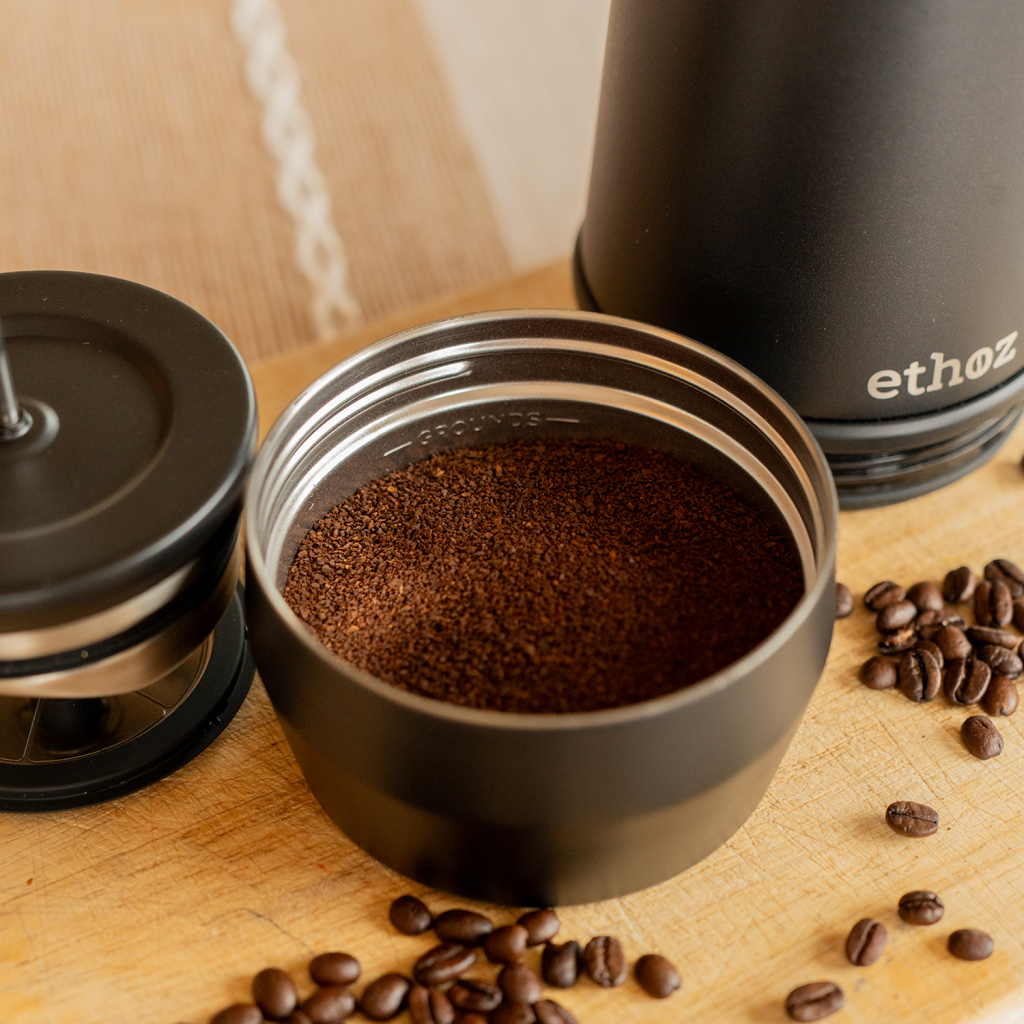
Espresso requires a very fine grind size.The coffee grounds should be smooth but not powdery. Too coarse, and the espresso will taste weak. Too fine, and the shot will be bitter and slow to brew.
| Grinder Type | Advantages | Disadvantages |
|---|---|---|
| Burr Grinder | Consistent grind size, easy to adjust | Usually more expensive |
| Blade Grinder | Cheaper, simple to use | Uneven grind, less control |
Adjust grind size to change flavor. Finer grinds increase strength but can cause bitterness. Coarser grinds make the espresso lighter but may taste weak. Test small changes to find your preferred taste.
Preparing The Espresso Machine
Cleaning the espresso machinebefore use is key. Remove old coffee grounds and wipe the portafilter. Rinse the group head to clear leftover coffee oils. Regular cleaning keeps the machine working well and makes better coffee.
Water qualityaffects taste a lot. Use fresh, filtered water for the best espresso. Water temperature should be around 90-96°C (194-205°F). Too hot or cold water spoils flavor and hurts extraction.
| Machine Setting | Recommended Value | Reason |
|---|---|---|
| Grind Size | Fine | Allows optimal water flow and extraction |
| Pressure | 9 bars | Ensures rich crema and flavor |
| Shot Time | 25-30 seconds | Proper extraction without bitterness |
Credit: www.discovermagazine.com
Tamping And Packing Grounds
Proper dose measurementis key for a good espresso shot. Use a scale to weigh the coffee grounds. A typical dose is about 18-20 grams for a double shot. Too much or too little coffee will affect the taste and extraction.
Techniques for even tampinginclude pressing the grounds with firm, even pressure. Use a tamper that fits your portafilter. Keep the tamper level to avoid uneven packing. This helps water flow evenly through the coffee.
Avoiding channelingmeans preventing water from finding weak spots in the coffee puck. Uneven tamping or loose grounds cause channeling. This results in bitter or weak espresso. To stop this, apply consistent pressure and make sure the grounds are packed tightly and evenly.
Extraction Process
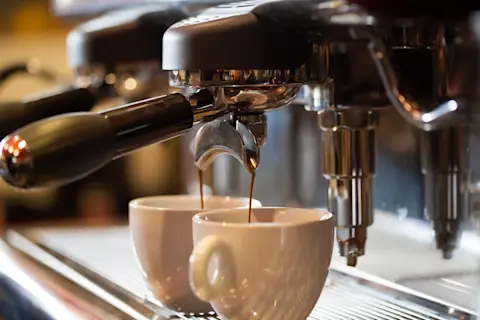
Espresso needs a specific brew time. Usually, it takes 25 to 30 seconds. This short time extracts the coffee’s rich flavors. Longer times can make coffee taste bitter. Shorter times may result in weak espresso.
Espresso machines use high pressure to brew coffee. The ideal pressure is 9 bars. Shot volume is also important. A single shot is about 30 milliliters. Too much water dilutes the shot. Not enough water makes it too strong.
Crema is the golden layer on top of espresso. It shows freshness and quality. Good crema is thick and golden brown. It should last a few minutes. Thin or light crema can indicate poor quality. Perfect crema enhances the espresso’s taste.

Credit: www.roastycoffee.com
Troubleshooting Common Issues
Bitter tasteoften means over-extraction. Too much water pulls out bitter flavors. Try grinding coarseror shortening brew time. Sour taste shows under-extraction. Coffee tastes weak or sharp. Use a finer grindor longer brew timeto fix this.
| Extraction Type | Signs | Adjustments |
|---|---|---|
| Under-extraction | Sour, weak, watery | Finer grind, longer brew time, increase dose |
| Over-extraction | Bitter, harsh, dry | Coarser grind, shorter brew time, reduce dose |
- Check grind size first; it affects flavor most.
- Adjust brew time by a few seconds only.
- Use fresh beans for best taste.
- Water temperature should be around 195°F to 205°F.
- Measure coffee and water precisely for consistency.
Enhancing Your Espresso Experience
Frothing milk is fun and easy. Use cold milk for better foam. Pour milk into a small pitcher. Submerge the steam wand just below the surface. Tilt the pitcher slightly to create a whirlpool. Listen for a hissing sound. This means the milk is steaming well. Move the wand deeper for a creamier texture. Aim for a smooth, shiny finish. Practice makes perfect!
Espresso tastes great with many foods. Try it with chocolate. The bitter and sweet mix well. Nuts like almonds and hazelnuts are good choices. Cheeses like blue cheese can surprise you. Some fruits, like berries, add a fresh taste. Pastries, like croissants, are classic partners. Experiment to find what you like best.
Store espresso in a sealed container. Keep it in the fridge for freshness. Reheat using low heat to maintain flavor. Avoid boiling it. This can make it bitter. Use it in recipes like iced coffee. Or add it to desserts for a coffee kick. Remember, fresh espresso is always best.

Credit: eldoradocoffee.com
Frequently Asked Questions
What Grind Size Is Best For Espresso Coffee Beans?
A fine grind size is ideal for espresso. It allows optimal extraction during the short brewing time. Too coarse or too fine can affect flavor and crema quality.
How Much Coffee Do I Use For A Single Espresso Shot?
Use approximately 18-20 grams of coffee for a double shot. This ensures a balanced, rich espresso with proper strength and flavor.
What Water Temperature Is Perfect For Brewing Espresso?
Maintain water temperature between 90-96°C (194-205°F). This range extracts optimal flavors without bitterness or under-extraction.
How Long Should I Brew An Espresso Shot?
Brew for 25-30 seconds. This timing produces a balanced shot with good crema and full flavor.
Conclusion
Brewing a perfect espresso shot takes practice and patience. Use fresh coffee beans for the best flavor. Grind beans finely and measure the right amount. Keep water temperature just right, not too hot or cold. Tamp the grounds evenly to avoid channeling.
Brew time affects taste, so watch it closely. Enjoy the rich, bold taste of your espresso. Small changes can make a big difference. Keep experimenting to find what suits your taste best. Every shot brings you closer to coffee joy.