
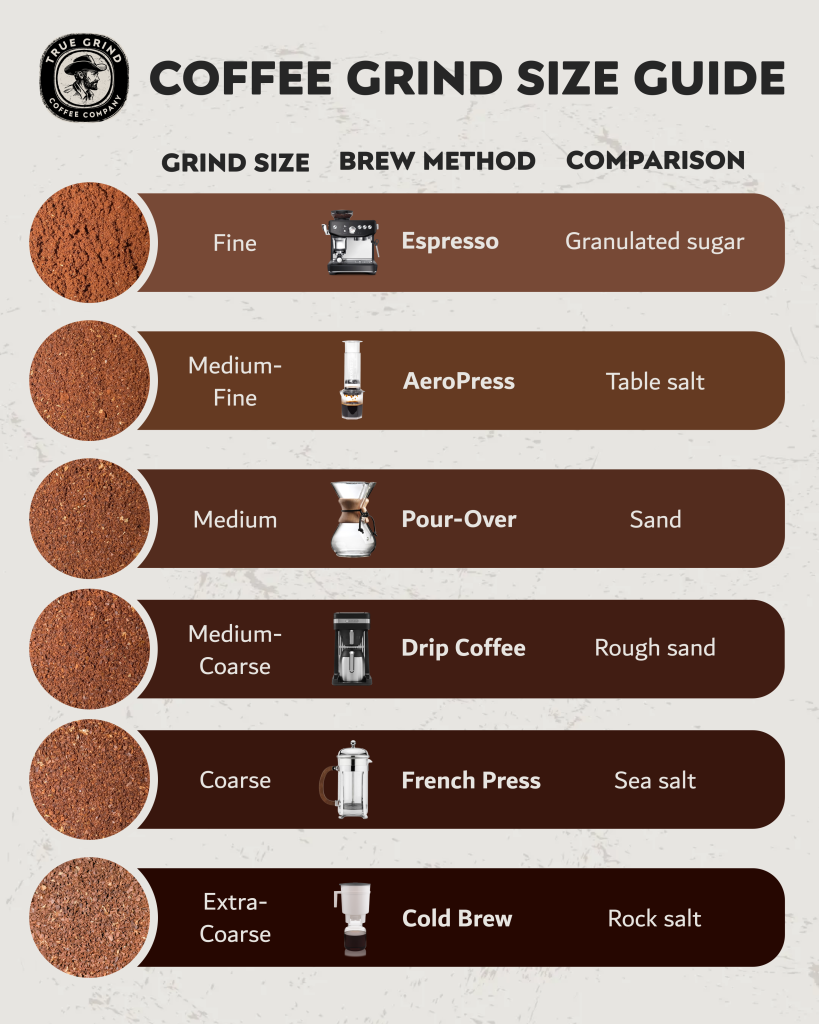
If you love cold brew coffee, you know that the grind size can make or break your perfect cup. But how long should you grind your coffee beans to get that smooth, rich flavor?
Getting this just right means the difference between a refreshing cold brew and a bitter, weak one. You’ll discover exactly how long to grind your coffee for cold brew, so you can enjoy a delicious cup every time. Keep reading—you’re about to unlock the secret to your best cold brew yet.

Credit: thewoodenskillet.com
Grind Size For Cold Brew
The grind sizeaffects how coffee extracts in cold brew. Coarse grindmeans bigger pieces. It allows water to flow slowly, making the brew smooth and less bitter.
Medium grindis finer than coarse. It extracts flavors faster but can cause bitterness and cloudiness in cold brew.
| Grind Size | Extraction Impact | Best Use |
|---|---|---|
| Coarse | Slow, smooth, less bitter | Cold brew, long steep (12-24 hours) |
| Medium | Faster, more bitter, cloudy | Shorter steep, not ideal for cold brew |
Choose coarse grindfor a clean, smooth cold brew. This helps avoid over-extraction and bitterness. Use medium grind only if you want a stronger, quicker brew but expect some harsh taste.
Ideal Grinding Time
The ideal grind for cold brew coffee is usually coarse. It helps water flow slowly and extracts smooth flavors. Grinding time varies by grinder type and bean roast.
| Grinder Type | Typical Grinding Duration | Grind Size |
|---|---|---|
| Burr Grinder | 15-30 seconds | Coarse |
| Blade Grinder | 10-20 seconds | Coarse to Medium-Coarse |
Bean freshnessand roast levelaffect grinding time. Dark roasts grind faster than light roasts. Fresh beans need shorter grinding for coarse texture.
Adjust grinding time based on your equipment. Burr grinders give consistent coarse grounds. Blade grinders require careful timing to avoid fine powder.
Grinding Methods
A blade grinder chops beans unevenly. It can cause inconsistent grind size. For cold brew, a coarse grindis best. Grind beans for about 10-15 secondsin short bursts. Shake the grinder to spread beans for a better grind.
Burr grinders crush beans between two surfaces. This gives a uniform coarse grind, ideal for cold brew. Burr grinders allow you to adjust grind size easily. They make a smoother brew with less bitterness.
| Type | Pros | Cons |
|---|---|---|
| Manual Grinder | Quiet, portable, affordable | Requires effort, slower |
| Electric Grinder | Fast, easy, consistent | Noisy, more expensive |

Credit: thewoodenskillet.com
Effects Of Grind On Cold Brew Taste
The grind sizeimpacts how flavors come out in cold brew. A coarser grindmeans the water flows easily, giving a smooth and mild taste. A finer grindextracts more flavors but can cause bitterness.
Balance is key. Coarse grinds reduce bitternessand acidity. Fine grinds increase these, making the cold brew sharper. Finding the right grind helps achieve the best taste.
Texture and mouthfeel change with grind size too. Coarser grinds create a light, clean feel. Finer grinds may make the drink thicker or gritty. Choose the grind based on your texture preference.
Common Grinding Mistakes
Overgrindingcoffee beans creates too fine grounds. This can make cold brew bitter and cloudy. Fine particles clog filters, slowing down brewing. It also causes over-extraction, which tastes harsh and unpleasant.
Undergrindingleaves coffee too coarse. This leads to weak, watery cold brew. Extraction is uneven and the flavor lacks depth. Coffee may taste sour or flat.
Grinding should be consistent. Uneven grind sizes cause inconsistent extraction. Some parts brew too fast, others too slow. This results in a mix of sour and bitter flavors.
- Use a burr grinder for uniform size
- Avoid blade grinders that produce mixed sizes
- Adjust grind size to medium-coarse for cold brew
- Test and adjust grind for taste
Tips For Consistent Grinding
Measuring the grind time helps keep the coffee texture consistent. Use a timerto grind for the same duration every time. Also, weigh the coffee beans before grinding to keep the quantitysteady. This avoids too coarse or too fine grounds.
Regular grinder maintenance keeps the machine working well. Clean the burrs often to stop old coffee oils from building up. This keeps the grind size uniformand the taste fresh.
Test the grind by brewing a small batch of cold brew. If it tastes bitteror sour, adjust the grind size slightly. Fine grounds make coffee stronger but can be bitter. Coarse grounds give a smoother, lighter taste.

Credit: www.kickstarter.com
Frequently Asked Questions
How Long Should I Grind Coffee For Cold Brew?
Grind coffee coarsely for cold brew, typically for 15-20 seconds. Coarse grounds allow slow extraction, resulting in smooth flavor.
What Grind Size Works Best For Cold Brew Coffee?
A coarse grind size is best for cold brew. It prevents over-extraction and bitterness during the long brewing process.
Does Grind Time Affect Cold Brew Flavor?
Yes, grind time affects flavor. Longer grinding creates finer grounds, which may cause bitterness in cold brew.
Can I Use A Fine Grind For Cold Brew?
Fine grind is not recommended for cold brew. It causes over-extraction and cloudy, bitter coffee.
Conclusion
Grinding coffee for cold brew takes practice and patience. Aim for coarse grounds. This helps avoid bitterness and improves flavor. Experiment with times to find your perfect brew. Remember, the grind affects extraction. Always use fresh beans for the best taste.
Adjust grind size if the brew is weak or strong. Consistency in grinding leads to consistent results. Enjoy the process of discovering your ideal cold brew. It’s a journey worth savoring. Happy brewing!