
Have you ever wondered why some coffees leave a bright, refreshing taste on your tongue, almost like biting into fresh fruit? That’s the magic of fruity coffee beans.
Knowing how to identify these beans can transform your coffee experience, making every cup exciting and vibrant. You’ll discover simple tips to spot fruity coffee beans, so you can choose the perfect brew that matches your taste. Ready to unlock the secret to a more flavorful coffee?
Keep reading—you’re about to become your own coffee expert.

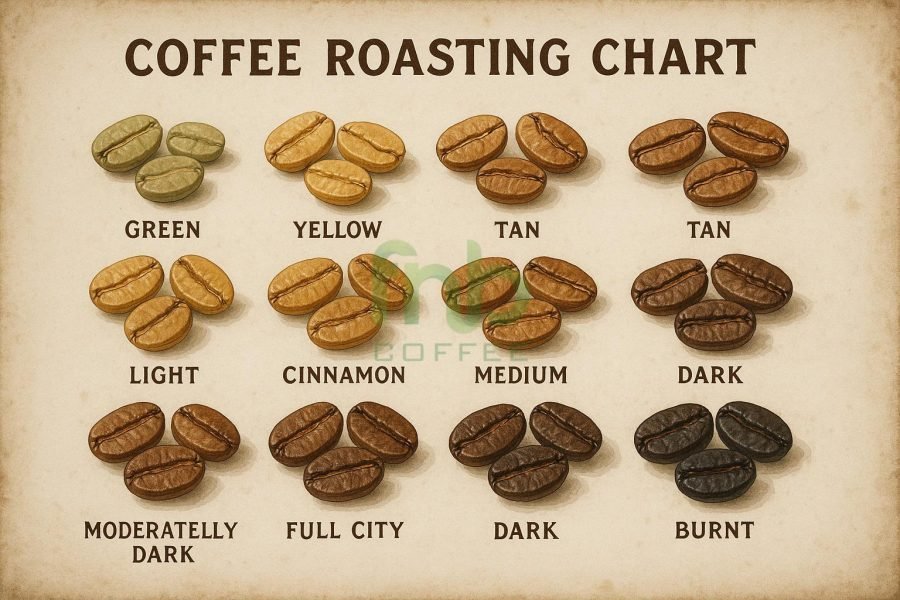
Credit: fnb.coffee
Fruity Coffee Beans Basics
Fruity coffee beanshave unique flavors that taste like fruits. These flavors come from the way beans grow and how they are processed. Coffee plants absorb different sugars and acids from the soil and sun. This gives the beans fruity notes.
The processing methodalso changes the taste. Washed or wet-processed beans often have brighter, fruitier flavors. Natural or dry-processed beans can taste sweeter with berry or tropical fruit notes. Roasting time affects fruitiness too. Light roasts keep fruity flavors strong.
| Common Fruity Flavor Notes | Description |
|---|---|
| Berry | Flavors like blueberry, raspberry, or strawberry |
| Citrus | Notes similar to lemon, orange, or lime |
| Tropical Fruit | Hints of pineapple, mango, or passion fruit |
| Stone Fruit | Flavors like peach, apricot, or cherry |
Beans And Regions
Fruity coffee beansoften come from specific regions known for unique flavors. These places have the right climate and soil to grow beans with bright, fruity notes.
| Region | Flavor Notes |
|---|---|
| Ethiopia | Blueberry, jasmine, citrus |
| Kenya | Blackcurrant, berry, wine-like |
| Colombia | Red fruit, apple, caramel |
| Panama | Peach, tropical, floral |
Certain bean types are famous for their fruity taste. Arabica beans often have a sweet, fruity flavor. Specialty varieties like Geisha and SL28 are prized for bright, fruity notes. These beans are grown in high altitudes and carefully processed to keep their fruitiness.
Roast Level Impact
Light roastskeep the bright, fruity flavors of coffee beans. They preserve the natural acidityand fruit notes, like berry, citrus, or apple. The beans are roasted for a shorter time at lower temperatures.
Dark roastshave a stronger, more bitter taste. They often mask the fruity flavors. The roasting process caramelizes sugars and creates smoky or chocolate flavors.
Roasting tipsto keep fruitiness:
- Use a lighter roastprofile to protect delicate fruit flavors.
- Keep the temperature moderateand avoid over-roasting.
- Monitor the roast closely to stop at the first crack.
- Choose fresh, high-quality beanswith natural fruit notes.
Smell And Taste Tests
Fruity coffee beans often have a bright and sweet aroma. You may notice hints of berries, citrus, or stone fruits. Sniff the ground coffee gently to catch these aroma clues. Fresh beans release stronger fruity smells. Avoid stale or flat scents.
To taste fruit flavors, take a small sip and let it spread on your tongue. Look for notes like apple, cherry, or citrus. The flavor should feel clean and lively, not bitter or dull. Swirl the coffee in your mouth to notice all the tastes.
- Smell beans before brewing for fruity hints
- Brew coffee fresh for best flavor
- Take small sips and savor the taste
- Think of fruits like berries, lemon, or peach
- Enjoy the bright, juicyfeeling in your mouth
Brewing Methods To Enhance Fruitiness
Pour-overbrings out bright, fruity notes by controlling water flow. It allows coffee to bloom, releasing fresh flavors. Cold brewreduces bitterness, highlighting sweet fruitiness with smooth texture. French press gives a rich body but can mute delicate fruit tones.
Water temperature between 195°F and 205°Fis ideal. Hot water extracts more fruit flavors but too hot water might cause bitterness. Use slightly coarser grind for fruity beans to avoid over-extraction. Brew time matters; shorter brew time keeps fruit notes clear and fresh.
| Brewing Style | Effect on Fruitiness | Recommended Water Temp |
|---|---|---|
| Pour-over | Bright, clear fruit flavors | 195°F – 205°F |
| Cold Brew | Smooth, sweet fruit notes | Cold (room temp or fridge) |
| French Press | Rich body, mild fruit tones | 195°F – 205°F |

Credit: belleaircoffeecompany.com
Buying Tips For Fruity Coffee
Fruity coffee beans often have bright aromas and flavors like berries or citrus. Check the coffee’s origin and roast level for natural fruity notes. Light roasts usually highlight these fruity characteristics best.
Reading Coffee Labels And Descriptions
Check for words like berry, citrus, or tropicalon labels. These words hint at fruity flavors. Look for the originof the beans. Beans from Africa often have fruity notes. The roast levelmatters too. Lighter roasts usually have more fruit flavors. Descriptions mentioning acidityare good signs. High acidity often means fruity taste. Labels with flavor notesgive clues about taste.
Trusted Brands And Specialty Roasters
Choose brands known for quality. Specialty roastersfocus on flavor. They often have fruity options. Look for brands with good reviews. Reviews can guide your choice. Some brands to consider: Counter Culture, Intelligentsia, and Stumptown. These brands often offer fruity beans. Explore their selections for new tastes. Buying from trusted sources ensures quality. Enjoy discovering new flavors!
Storing To Maintain Flavor
Store coffee beans in an airtight container away from light and heat to keep their fruity flavor fresh. Avoid moisture to prevent flavor loss and preserve the beans’ natural taste.
Proper Storage For Freshness
Air and light can harm coffee beans. Use an airtight containerto store them. Keep it in a cool, dark place. The pantry is a good spot. Avoid the fridge or freezer. They can add moisture, which is bad. Check the container lid is tight. This keeps the beans fresh longer.
Avoiding Flavor Loss Over Time
Buy only what you need for a short time. Fresh beans taste better. Label the container with the purchase date. Use older beans first. This ensures no beans go stale. Grind beans just before use. Pre-ground coffee loses flavor faster. A small coffee grinder helps keep flavor intact.

Credit: somethingsbrewing.in
Frequently Asked Questions
What Are Fruity Coffee Beans?
Fruity coffee beans have natural fruit-like flavors. These flavors come from specific coffee varieties and their unique growing conditions. They add a bright, sweet taste to coffee, often resembling berries, citrus, or tropical fruits.
How To Recognize Fruity Coffee Bean Flavors?
Fruity coffee beans offer noticeable fruity notes in aroma and taste. Look for hints of berries, citrus, apple, or tropical fruits in the coffee’s scent and flavor profile. These beans often have a bright acidity and vibrant, fresh taste.
Which Coffee Regions Produce Fruity Beans?
Regions like Ethiopia, Kenya, and Colombia are famous for fruity coffee beans. Their unique climates and altitudes help develop complex fruit flavors. Beans from these areas often have distinct floral and fruity profiles.
Does Roasting Affect Fruity Coffee Flavors?
Yes, roasting impacts fruity flavors significantly. Light to medium roasts preserve fruity notes best. Dark roasts may reduce these flavors, emphasizing bitterness and chocolate tones instead.
Conclusion
Identifying fruity coffee beans adds fun to your coffee experience. Pay attention to aroma, taste, and origin. Bright acidity and sweet notes often signal fruity flavors. Practice tasting different beans to train your palate. Each sip tells a unique story of its growth.
Enjoy exploring these lively and fresh coffee options. Your next cup can bring a burst of fruity delight. Keep trying and savor the rich world of coffee.