
Are you thinking about adding a built-in grill to your outdoor kitchen? Before you get started, there’s one important question you need to answer: Do built-in grills need special ventilation?
The answer can affect not only how well your grill performs but also your safety and comfort while cooking. If you want to enjoy delicious meals without worrying about smoke, heat, or harmful fumes, understanding ventilation is key. Keep reading to discover what you need to know to make the best choice for your grilling setup.
Credit: www.beko.co.uk
Built-in Grill Basics
Built-in grills add style and function to outdoor kitchens. They fit into custom spaces for a neat look.
Understanding types and where to install them helps keep your grill safe and efficient.
Types Of Built-in Grills
There are different built-in grills based on fuel type and features. Each has unique benefits and needs.
- Gas Grills:Use propane or natural gas for quick heat and easy control.
- Charcoal Grills:Offer smoky flavor but need more ventilation and cleaning.
- Electric Grills:Simple to use indoors or outdoors but may lack traditional grill taste.
- Hybrid Grills:Combine gas and charcoal for flexible cooking options.
Common Installation Locations
Built-in grills must be installed in places with good air flow to avoid smoke buildup. Location affects safety and grill performance.
| Location | Advantages | Considerations |
| Outdoor Patio | Open air, easy ventilation | Weather exposure needs cover |
| Covered Porch | Protection from rain | Needs extra ventilation for smoke |
| Outdoor Kitchen Island | Integrated cooking and prep area | Requires proper venting and spacing |
| Balcony | Space-saving, convenient | Check building codes and airflow |
Credit: www.amazon.ca
Ventilation Importance
Built-in grills need proper ventilation to work safely and well. Good airflow removes smoke and heat from the cooking area.
Without enough ventilation, problems can happen that affect safety and grill performance.
Safety Concerns
Built-in grills produce heat and gases like carbon monoxide. Proper ventilation helps remove these gases safely.
Poor ventilation can cause dangerous gas buildup. It can lead to fires or health risks for people nearby.
- Prevents carbon monoxide buildup
- Reduces fire risk
- Keeps cooking area safe and breathable
Performance Impact
Good ventilation helps the grill burn fuel efficiently. It keeps the flame steady and strong.
Without enough airflow, grills may cook unevenly or take longer to heat. This affects food quality and cooking time.
- Maintains steady flame
- Ensures even cooking
- Reduces fuel waste
Ventilation Requirements
Built-in grills need proper ventilation for safety and performance. Good airflow removes smoke and heat. It also prevents gas buildup.
Understanding ventilation rules helps you install grills correctly. Follow guidelines to avoid hazards and damage.
Manufacturer Guidelines
Manufacturers give specific ventilation instructions for their grills. These rules vary by model and fuel type. Always check the user manual before installation.
- Allow space around the grill for air to flow freely.
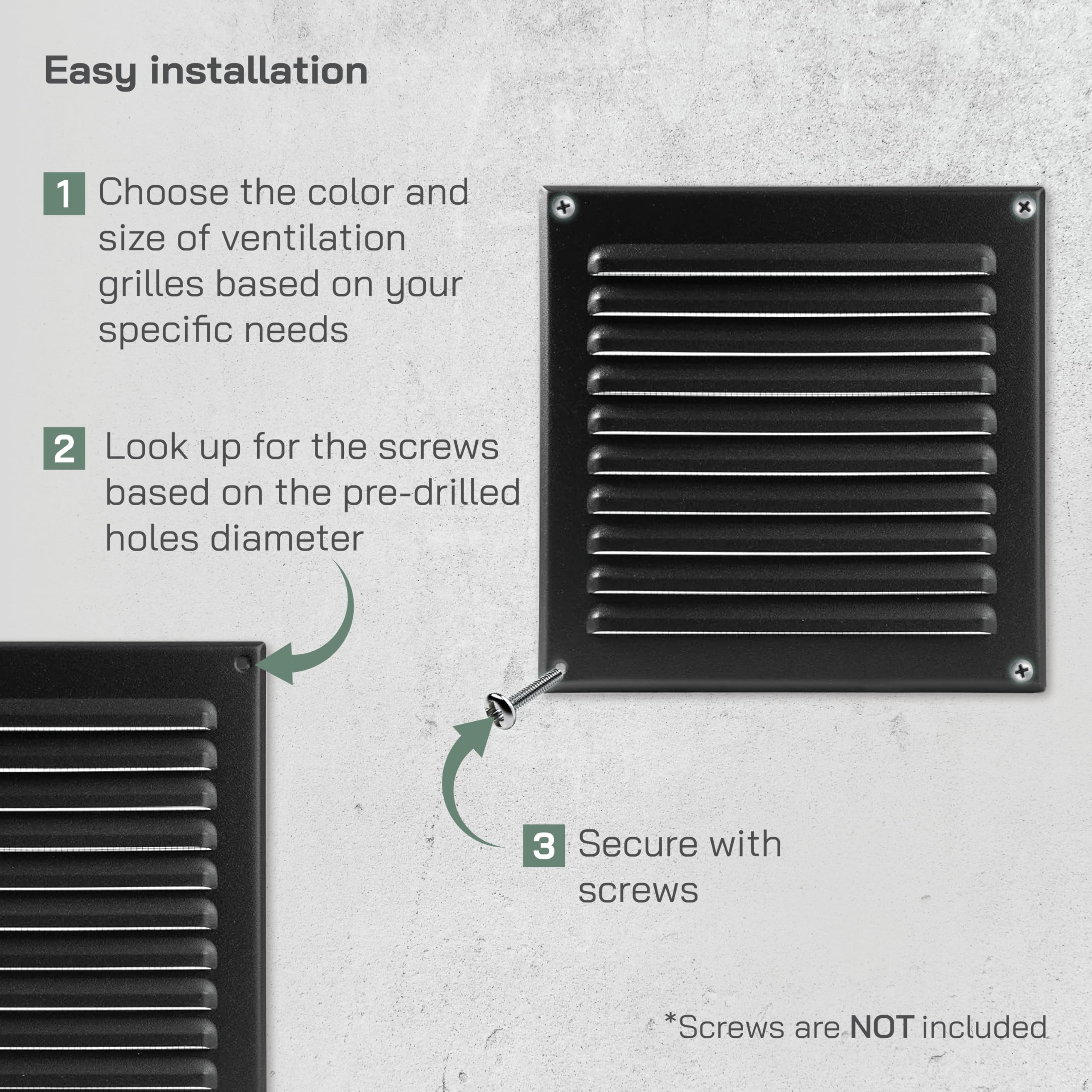
- Use vents or openings as recommended in the manual.
- Keep ventilation paths clear of obstructions.
- Install grills away from enclosed areas without fresh air supply.
- Follow clearance distances from walls and cabinets.
Local Building Codes
Local laws set rules for grill ventilation to protect homes and people. These codes often focus on safety and fire prevention.
| Code Aspect | Requirement |
|---|---|
| Minimum Vent Size | At least 100 square inches of open vent area |
| Vent Placement | Vents must be near the grill and low to the ground |
| Clearance Distance | Minimum 24 inches from combustible surfaces |
| Exhaust Paths | Must direct smoke away from living areas |
Ventilation Options
Built-in grills produce smoke and heat. Proper ventilation keeps your space safe and comfortable.
There are several ways to ventilate a built-in grill area. Each option fits different setups.
Natural Ventilation
Natural ventilation uses open spaces to let smoke and heat escape. It relies on wind and air flow.
This option works well in outdoor kitchens with open walls or large windows. It does not need fans or power.
- Open areas let smoke rise and leave
- Cross breezes improve air flow
- Simple and low-cost solution
- Less control over airflow on calm days
Mechanical Ventilation
Mechanical ventilation uses fans to move air. It helps remove smoke and heat quickly from the grill area.
This system works in spaces with limited natural air flow. Fans can be controlled for better ventilation.
- Electric fans draw smoke away
- Works well in semi-enclosed spaces
- Requires electricity and maintenance
- Improves air quality around the grill
Hood Systems
Hood systems capture smoke and heat directly above the grill. They use a hood and exhaust fan to vent outside.
This option gives the best control of smoke. It is common in indoor kitchens and covered outdoor areas.
- Hood traps smoke near the grill
- Exhaust fan vents smoke outside
- Needs proper installation and space
- Reduces smoke and odors effectively
Installation Tips
Built-in grills need proper ventilation to work safely. Good airflow helps remove smoke and heat.
Without special ventilation, grills can cause dangerous gas buildup or damage to cabinets.
Proper Airflow Design
Air must flow freely around the grill to keep it cool and safe. Design your space with vents or open areas.
Use vents below and above the grill to let fresh air in and hot air out.
- Install intake vents near the bottom of the grill enclosure
- Add exhaust vents near the top to release heat and smoke
- Keep vents clear of obstructions like furniture or plants
- Check local codes for ventilation requirements
Clearance Recommendations
Keep enough space around your grill to avoid fire risks. Clearances depend on your grill model.
Check the manufacturer’s guide for exact distances from walls and cabinets.
- Leave at least 12 inches of space on each side of the grill
- Maintain 18 to 24 inches of clearance above the grill
- Do not place flammable materials near the grill
- Use heat-resistant materials around the grill area
.jpg)
Credit: www.bbqgrills.com
Maintenance And Safety
Built-in grills need good care to work well and stay safe. Proper ventilation is very important for these grills.
We will look at two key parts of ventilation: cleaning vents and watching for carbon monoxide.
Regular Vent Cleaning
Dirt and grease can block the vents of built-in grills. This stops air from moving properly.
Clean vents help the grill work well and keep smoke and gases outside your home.
- Check vents often for dirt and grease buildup
- Use a brush or vacuum to remove debris
- Clean vents after heavy use or every few months
- Make sure vents are not damaged or blocked
Carbon Monoxide Monitoring
Built-in grills can produce carbon monoxide, a dangerous gas. It has no smell or color.
Good ventilation lowers carbon monoxide risks. You should also use a carbon monoxide detector near your grill.
- Install a carbon monoxide detector close to the grill area
- Test the detector regularly to ensure it works
- Never use the grill in closed or poorly ventilated spaces
- Turn off the grill if the detector alerts you
Common Mistakes
Built-in grills need good ventilation to work safely. Many people make mistakes that cause problems.
This guide covers common mistakes about ventilation and grill placement. Avoid these to keep your grill safe.
Ignoring Ventilation Needs
Some people forget that built-in grills need special ventilation. Without it, smoke and gas can build up.
Lack of ventilation can cause dangerous fumes and fire risks. Proper airflow is important for safety.
- Do not block air vents around the grill
- Keep space above and behind the grill clear
- Install vents or fans if the grill is in an enclosed area
Improper Grill Placement
Placing the grill too close to walls or furniture can limit airflow. It also increases fire hazards.
Grills need room on all sides to let air flow and heat escape safely. Tight spaces cause heat buildup.
- Keep the grill at least two feet from walls or structures
- Avoid placing the grill under low roofs or overhangs
- Do not place grills near plants or flammable materials
Frequently Asked Questions
Do Built-in Grills Require Special Ventilation?
Yes, built-in grills need special ventilation to remove smoke and gases. Proper airflow prevents fire hazards and ensures safe cooking conditions.
What Type Of Ventilation Suits Built-in Grills Best?
A range hood or exhaust fan designed for outdoor use works best. It effectively removes smoke and heat from the grilling area.
Can Improper Ventilation Cause Safety Risks?
Yes, poor ventilation can lead to carbon monoxide buildup and fire risks. It also causes smoke to accumulate, affecting air quality and comfort.
How Often Should Built-in Grill Ventilation Be Maintained?
Ventilation systems should be cleaned and inspected at least twice a year. Regular maintenance ensures efficient operation and reduces the risk of malfunctions.
Conclusion
Proper ventilation keeps built-in grills safe and efficient. It helps remove smoke and heat from your cooking area. Without good airflow, risks of fire and damage rise. A well-ventilated grill lasts longer and works better. Always plan ventilation before installing your built-in grill.
This small step protects your home and family. Good ventilation makes outdoor cooking more enjoyable and safe. Don’t overlook this important part of grill setup. Your grill and outdoor space will thank you.