
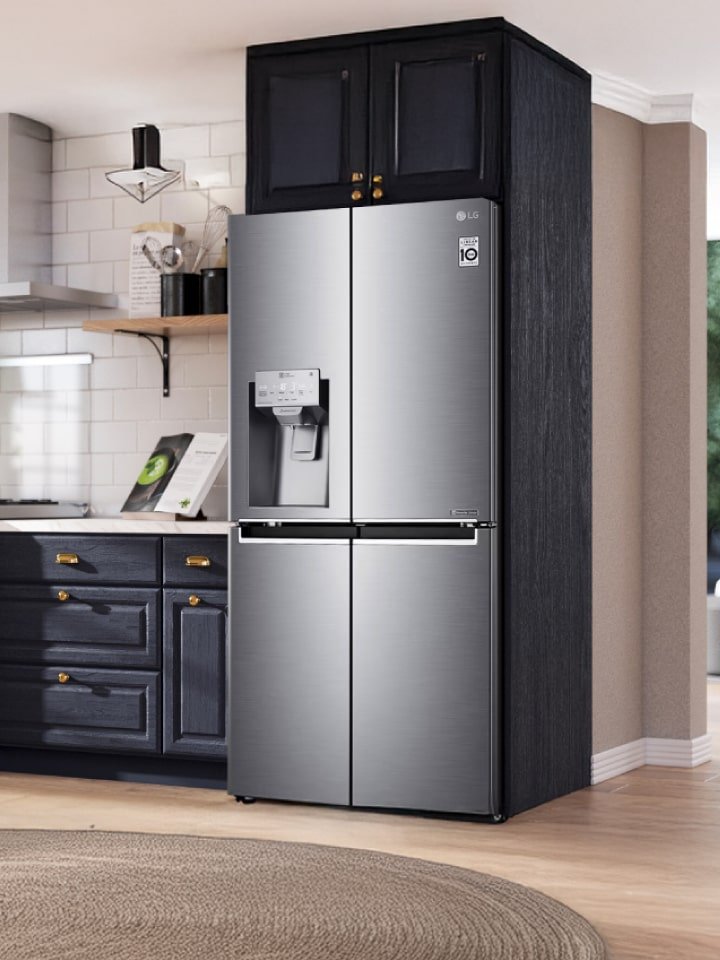
Imagine opening your fridge and immediately knowing what’s about to expire, what’s running low, and what you can whip up for dinner tonight. Sounds like a dream, right?
But it’s not just a fantasy anymore. Smart fridges are stepping in as your personal kitchen assistant, and they’re here to tackle one of the most frustrating issues we face: food waste. Have you ever wondered how much money you toss away with those forgotten leftovers?
Or felt guilty about the environmental impact of wasted food? What if your fridge could help you change that? Dive into this article to discover how a smart fridge could revolutionize your kitchen and save both your wallet and the planet. You might be surprised at just how much of a difference a little technology can make in your everyday life.
Role Of Smart Fridges
Smart fridges can help reduce food waste. They track food expiry dates. This feature reminds users to use food before it spoils. Some smart fridges even suggest recipes. These recipes use ingredients that are close to expiring. This helps in using food wisely. Smart fridges have cameras inside. These cameras show what’s inside the fridge. Users can check their fridge from anywhere. This helps when shopping. People can avoid buying things they already have. Smart fridges can also send alerts. These alerts tell you when food is about to expire. This keeps you informed about what needs to be used soon.
Features Promoting Sustainability
Inventory trackinghelps you know what’s inside the fridge. It shows what food you have. This feature reduces buying unnecessary items. It also helps in using what you have before it spoils.
Expiration date notificationsremind you about food going bad soon. Alerts help avoid food waste. You get notified before food expires. This allows timely use of perishable items.
Recipe suggestionsare based on available ingredients. The fridge suggests meals using what you have. This helps in utilizing leftover ingredients. You create delicious dishes without wasting food.
Impact On Consumer Behavior
Smart fridges can make shopping easier. They track what is inside. Users see what they need. This helps plan better shopping trips. People buy only what they need. Less food goes to waste. Smart fridges remind users when food is old. They help people shop wisely.
Smart fridges help with meal planning. They suggest recipes. Recipes use the food already in the fridge. This means less food is thrown away. Meal planning becomes simple and fun. Users can plan meals for the week. This saves time and money. Smart fridges help families eat better and waste less food.

Credit: olymelfoodservice.com
Technological Advancements
Smart fridges can help reduce food waste by tracking expiration dates and suggesting recipes. They remind you to use items before they spoil. This technology makes it easier to manage groceries efficiently.
Integration With Mobile Apps
Smart fridges can connect with mobile apps. These apps send alerts to your phone. They remind you about food’s expiration dates. You can check fridge contents from anywhere. This helps you plan meals better. Less food gets wasted.
Ai And Machine Learning
Smart fridges use AI and machine learning. They learn your eating habits over time. Fridges suggest recipes based on food available. This reduces unused ingredients. AI helps track food usage patterns. It minimizes food spoilage.
Challenges And Limitations
Smart fridges can help reduce food waste but face challenges like high costs and technology reliability issues. Users may struggle with operating complex features, limiting the fridge’s effectiveness in minimizing waste.
Cost And Accessibility
Smart fridges are expensive. Not everyone can afford them. They are not accessible to all. Many families find these fridges out of reach. They have high prices. Maintenance costs add up too. Some regions lack availability. This limits their use. Smart fridges need internet. Rural areas may struggle with this. For many, traditional fridges remain the only option.
Privacy Concerns
Smart fridges collect personal data. They know what food you buy. They track your eating habits. This data can be shared. Companies might use it for ads. Some people worry about this. They value their privacy. Not everyone likes sharing information. Families may feel uneasy. Ensuring data safety is crucial.

Credit: thespoon.tech
Future Prospects
Smart fridges can track food items and remind users of expiration dates. This helps reduce food waste significantly. Such technology encourages better food management and planning at home.
Potential For Broader Adoption
Smart fridges can help people waste less food. They track expiry dates and suggest recipes. This makes sure food is used before it spoils. Many homes want to use this technology. But smart fridges cost a lot. As prices drop, more families might buy them. This can lead to less food waste everywhere. For now, only some people can afford smart fridges. But this could change soon. More people buying smart fridges can help the planet.
Innovations On The Horizon
New ideas are coming for smart fridges. Fridges might talk to our phones. They can tell us what to buy at the store. Some fridges might even order groceries for us. This means no more forgetting milk or eggs. Future fridges could use solar power. This helps the environment even more. Smart fridges are getting better each day. These changes can make a big difference. We might waste less food soon.
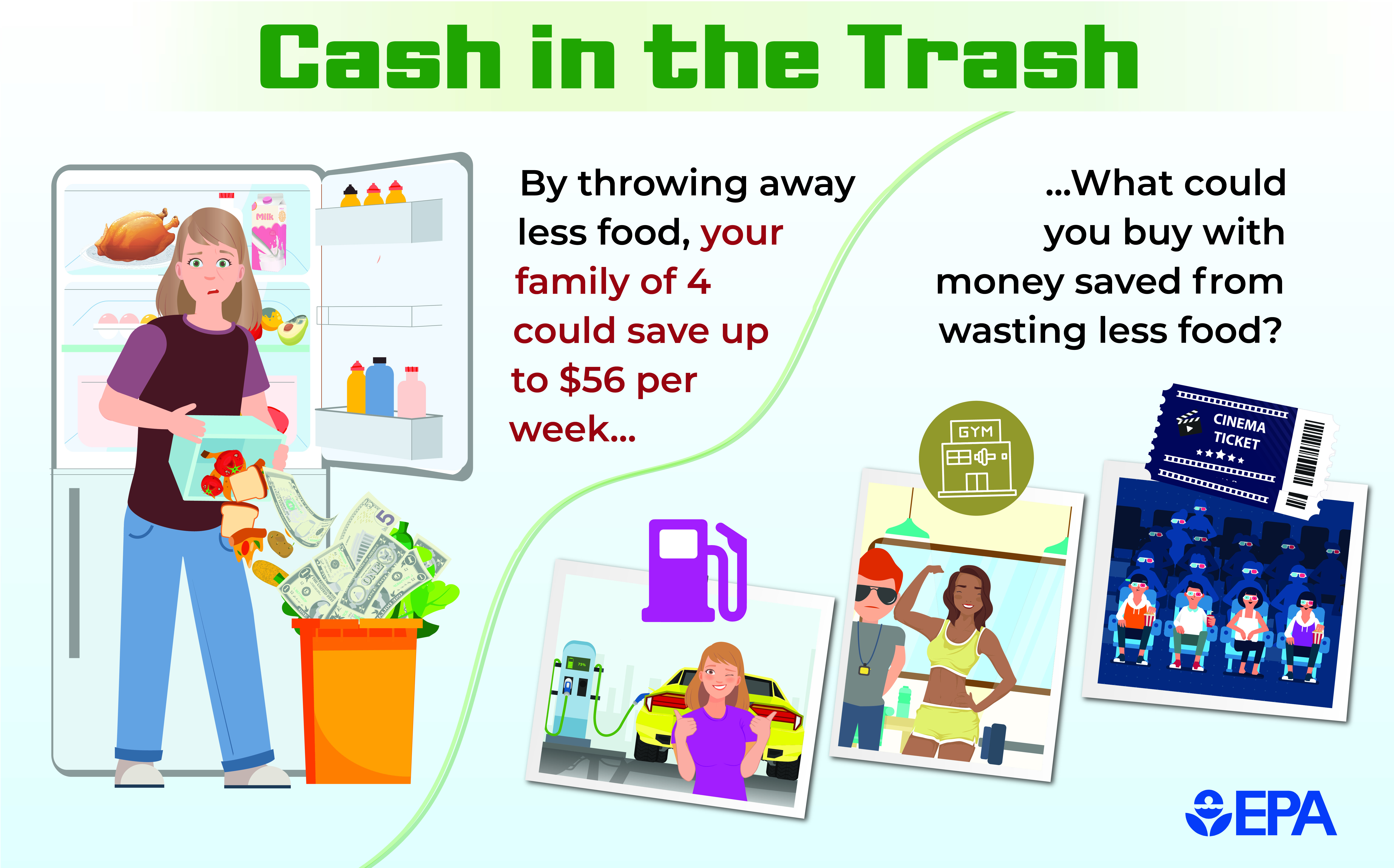
Credit: www.epa.gov
Frequently Asked Questions
How Would You Design A Smart Refrigerator That Helps Users Reduce Food Waste?
Design a smart refrigerator with sensors to track food freshness and suggest recipes using near-expiry items. Integrate a user-friendly app for inventory management and alerts. Employ AI to analyze shopping habits and recommend sustainable choices. Encourage food waste reduction through interactive features and personalized tips.
What Is A Benefit Of Having A Smart Fridge?
A smart fridge helps track food inventory and alerts you when items are low. It enhances kitchen efficiency by suggesting recipes based on available ingredients. Remote monitoring allows temperature adjustments and diagnostics, reducing energy costs. Voice control integration offers hands-free convenience for busy households.
What Are The Disadvantages Of A Smart Fridge?
Smart fridges can be expensive and require regular software updates. They may pose security risks and have compatibility issues. Connectivity problems might occur, and repair costs can be high. Energy consumption can also be a concern. These factors can outweigh the convenience of smart features for some users.
Is It Worth Having A Smart Hub On A Refrigerator?
A smart hub on a refrigerator enhances convenience, offering features like inventory management and recipe suggestions. It streamlines meal planning and grocery shopping. Users can control connected devices and access family calendars. For tech-savvy individuals, it adds value and efficiency to kitchen routines.
Conclusion
Smart fridges offer a practical solution to food waste. They help track expiration dates. Users receive reminders to use items before they spoil. Built-in cameras let you see what’s inside from your phone. This reduces unnecessary purchases. Less waste means less harm to the environment.
Smart fridges can save money too. They help keep food fresh for longer. This new technology supports sustainable living. Think about the benefits. Consider investing in a smart fridge for a greener home. It’s a step towards reducing food waste and caring for our planet.