
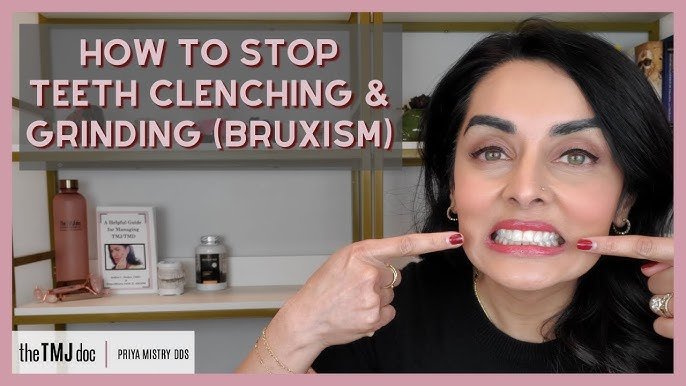
Do you often wake up with a sore jaw or a headache? You might be clenching or grinding your teeth without even realizing it.
This common habit can cause serious damage to your teeth and lead to discomfort throughout your day. But don’t worry—there are simple steps you can take to stop this harmful behavior and protect your smile. Keep reading to discover effective ways to relax your jaw, reduce stress, and finally put an end to teeth clenching and grinding for good.
Your comfort and dental health depend on it.
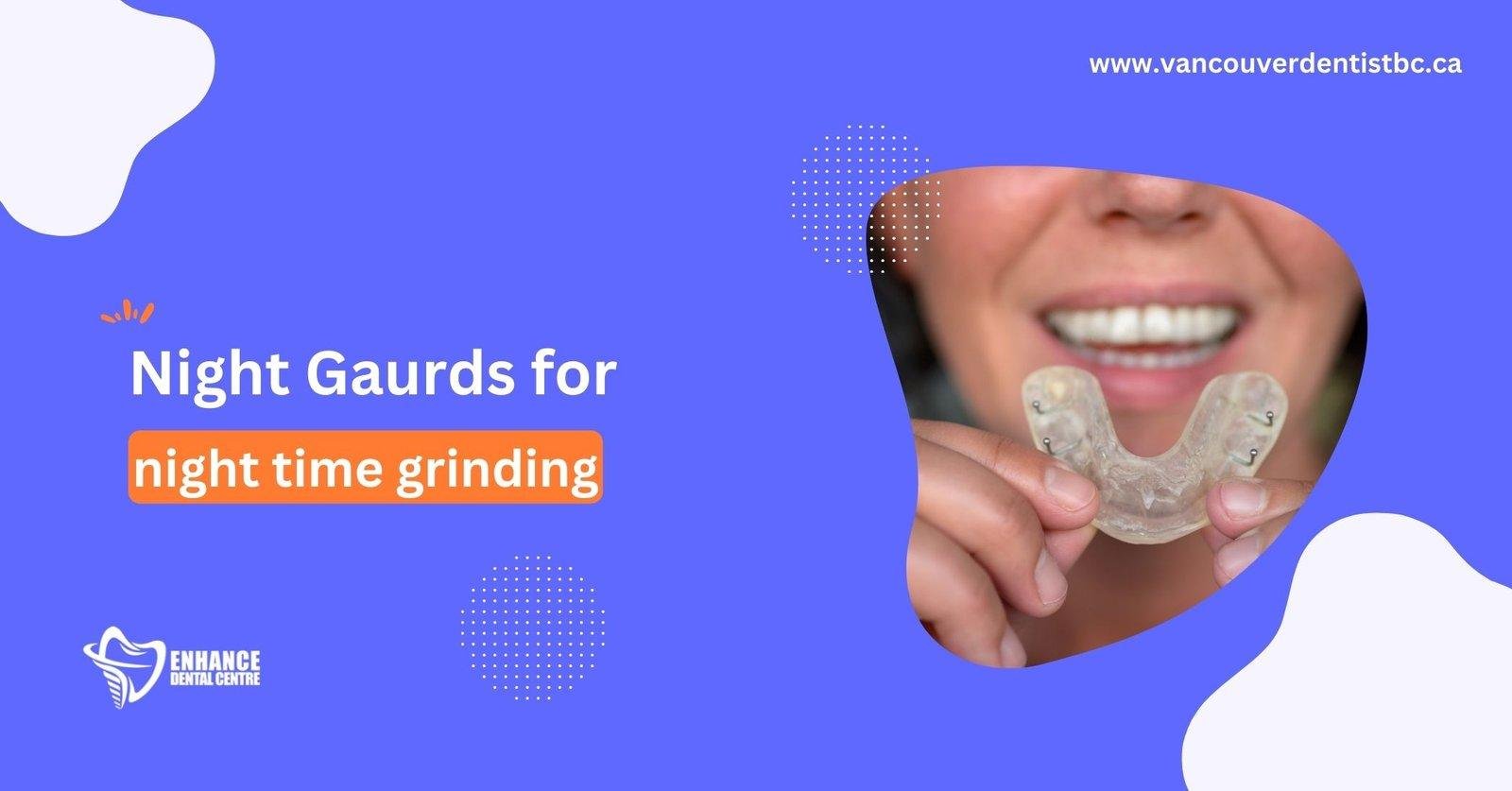
Credit: vancouverdentistbc.ca
Causes Of Teeth Clenching And Grinding
Stress and anxietyoften cause teeth clenching and grinding. When feeling tense, the jaw tightens unconsciously. This happens especially during sleep or stressful times. Managing stress can help reduce this habit.
Sleep disorderslike sleep apnea or snoring can trigger grinding. The body reacts by tightening the jaw muscles. This can disturb sleep and cause damage to teeth over time.
Dental issuessuch as misaligned teeth or missing teeth lead to clenching. The mouth tries to find a comfortable bite, causing grinding. Regular dental check-ups can identify these problems early.
Lifestyle factorsinclude caffeine, smoking, and alcohol use. These can increase jaw muscle activity. Reducing these habits may lower the chances of clenching and grinding.
Signs And Symptoms
Jaw pain and sorenessoften show after long periods of teeth clenching. This pain may feel like a dull ache or sharp discomfort near the jaw joints. Many notice stiffness in the jaw when waking up. This soreness can make chewing and talking uncomfortable.
Tooth damagehappens because grinding wears down enamel. Teeth may become sensitive or cracked. Sometimes, edges look chipped or flattened. This damage can lead to bigger dental problems if ignored.
Headaches and earachesare common signs. The pain usually starts near temples and spreads. It may feel like pressure around the head or inside the ears. These headaches happen more in the morning or after stressful days.
Sleep disruptionsoccur as grinding noises disturb rest. The person may wake up tired or with a dry mouth. Partners might hear the grinding sound during sleep. Poor sleep affects mood and energy the next day.
Effective Prevention Techniques
Stress managementhelps reduce teeth clenching and grinding. Try deep breathing or meditation. Exercise can also calm your mind and body. Keeping a stress diary may show patterns and help avoid triggers.
Improving sleep habitsis key. Go to bed and wake up at the same time daily. Keep your bedroom dark and quiet. Avoid screens before bed to help your brain relax.
Avoiding triggerslike caffeine, alcohol, and chewing gum can lessen grinding. Stay away from hard or sticky foods that strain your jaw. Be mindful of tense moments during the day and try to relax your jaw.
Proper dental careprotects your teeth. Brush twice daily with fluoride toothpaste. Floss to keep gums healthy. Visit your dentist regularly to check for damage and get advice on mouth guards if needed.

Credit: www.amazon.com
Treatment Options
Wearing a mouthguard can protect teeth from damage caused by grinding. Stress relief techniques and proper sleep habits also help reduce clenching. Consulting a dentist offers personalized treatment plans for better results.
Mouthguards And Splints
Mouthguardsand splintsprotect teeth from damage. They fit over your teeth and stop grinding at night. Custom-made guards from a dentist work best. Wearing them reduces pain and tooth wear.
Physical Therapy
Exercises can help relax your jaw muscles. Stretching and gentle movements ease tension. Physical therapy may include massage to reduce soreness. Regular practice can lower clenching and grinding.
Medications
Some medicines help reduce muscle activity and pain. Muscle relaxants are used for short periods. Pain relievers may ease discomfort caused by grinding. Always follow the doctor’s advice when using medications.
Behavioral Therapy
- Learn to recognize teeth clenching habits.
- Stress management techniques lower grinding risks.
- Relaxation methods like deep breathing help calm muscles.
- Biofeedback trains you to control jaw tension.
Home Remedies And Lifestyle Changes
Doing simple jaw exercisescan help relax tight muscles. Try opening your mouth slowly wide, then close it gently. Repeat this five to ten timesdaily. Another exercise is moving your jaw side to side. These moves ease tension and reduce clenching.
Relaxation techniquescalm your mind and body. Breathing deeply for a few minutes lowers stress. Try sitting quietly and focusing on slow breaths. Meditation or gentle yoga can also help reduce grinding caused by anxiety.
Making small diet adjustmentssupports oral health. Eating softer foods reduces pressure on your jaw. Avoid very hard or chewy items, which can cause more strain. Drinking plenty of water keeps muscles hydrated and less stiff.
- Limit stimulantslike caffeine and energy drinks.
- These can increase muscle tension and make grinding worse.
- Try cutting back on coffee, tea, or soda.
- Replace them with herbal teas or plain water.
When To See A Professional
Persistent painin the jaw or face may signal a serious issue. Pain that lasts for days needs a professional check.
Tooth damage progressionincludes cracks, chips, or worn surfaces. These signs show grinding is harming teeth over time.
Sleep issueslike loud snoring or restless nights can relate to teeth grinding. A doctor can help improve sleep quality.
Emotional stress impactoften triggers clenching and grinding. If stress feels too much to handle alone, seeking help can reduce symptoms.

Credit: kigodental.com
Frequently Asked Questions
What Causes Teeth Clenching And Grinding?
Teeth clenching and grinding, known as bruxism, are often caused by stress, anxiety, or misaligned teeth. Sleep disorders and lifestyle factors like caffeine and alcohol can also contribute. Identifying triggers helps in managing and reducing these habits effectively.
How Can I Stop Clenching My Teeth At Night?
To stop nighttime clenching, use a custom night guard recommended by your dentist. Practice relaxation techniques before bed and reduce caffeine intake. Maintaining a regular sleep schedule also helps minimize nighttime teeth grinding and protects your dental health.
Are There Exercises To Prevent Teeth Grinding?
Yes, jaw relaxation exercises and gentle stretching can reduce muscle tension. Massaging the jaw muscles and practicing controlled breathing can ease stress. These exercises promote muscle relaxation and help prevent teeth grinding during the day and night.
Can Stress Cause Teeth Grinding?
Yes, stress is a major factor in teeth grinding. It increases muscle tension, leading to clenching and grinding habits. Managing stress through mindfulness, therapy, or physical activity can significantly reduce bruxism and improve overall oral health.
Conclusion
Stopping teeth clenching and grinding takes time and effort. Simple steps can help reduce stress and protect your teeth. Try relaxation exercises and avoid hard foods before bed. Using a mouth guard at night may also ease pressure on your teeth.
Remember to stay consistent with these habits daily. Small changes can lead to big improvements in comfort and health. Keep your mouth and mind calm for better sleep and less pain. Taking care now prevents more serious problems later. Your smile will thank you.