
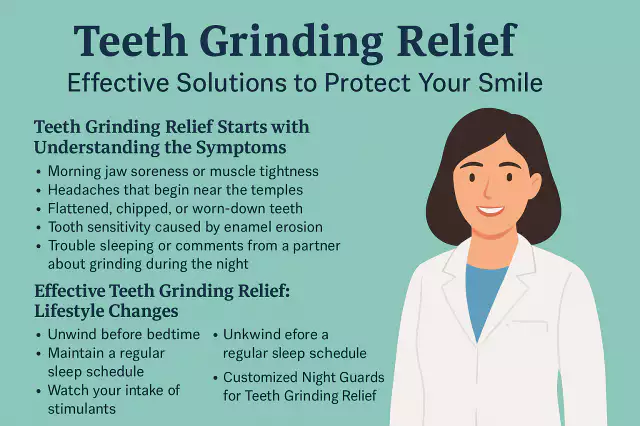
Are you waking up with a sore jaw or headaches that just won’t go away? If you grind your teeth, you’re not alone—and the discomfort can really affect your daily life.
The good news? There are simple, effective ways to ease that jaw pain and protect your teeth from further damage. You’ll discover practical tips that can bring you relief fast and help you prevent jaw pain from grinding teeth in the future.
Keep reading to take control of your comfort and smile again without pain.
Credit: jamaica26dentistry.com
Causes Of Jaw Pain From Teeth Grinding
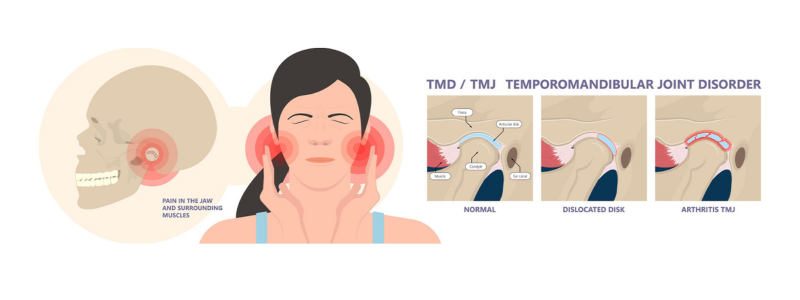
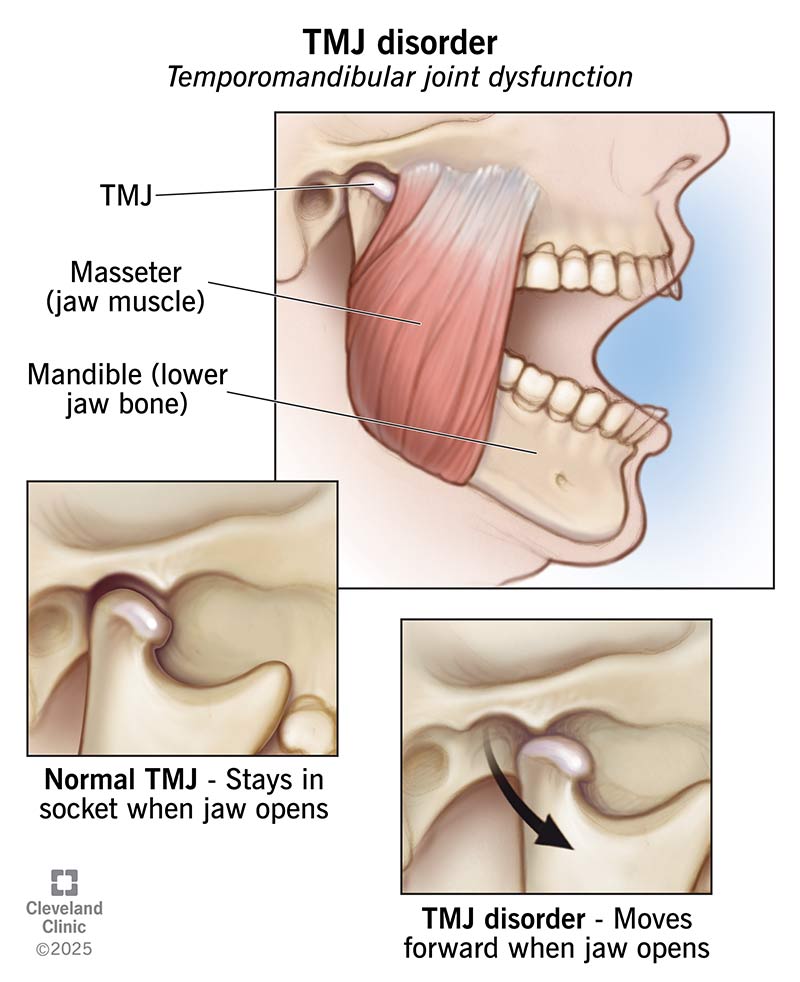
Bruxismis the medical term for teeth grinding. It puts great pressure on the jaw muscles. This causes them to become sore and tight. Over time, the muscles can feel tired and painful. Jaw joints may also suffer from this stress, leading to discomfort and difficulty in opening the mouth.
Common triggers for teeth grinding include:
- Stress and anxiety, which tighten jaw muscles unconsciously.
- Poor sleep habits, causing restless nights and grinding.
- Caffeine and alcoholintake, which can increase muscle activity.
- Misaligned teeththat create uneven pressure during biting.
- Medicationsthat affect the nervous system sometimes cause grinding.
Signs You’re Grinding Your Teeth
Signs of teeth grindinginclude sore jaws and headaches. Your face might feel tight or tired in the morning. Teeth can look worn down or chipped. Some people notice a clicking sound when opening the mouth.
Physical symptoms to watch for:
- Jaw pain or stiffness
- Tooth sensitivity or damage
- Headaches near temples
- Earaches without infection
To monitor grinding at night, try these tips:
- Ask a partner to listen for grinding sounds
- Use a voice-activated recorder during sleep
- Check your jaw and teeth each morning for pain
- Visit a dentist for a proper diagnosis
At-home Remedies For Jaw Pain
Cold compresseshelp reduce swelling and numb pain. Apply a cold pack wrapped in cloth for 10-15 minutes. Use warm compresses to relax tight muscles. A warm towel or heating pad works well. Alternate between cold and warm to ease discomfort.
Simple jaw exercisescan reduce tension. Slowly open your mouth wide, hold for a few seconds, then close. Move your jaw side to side gently. Repeat these exercises 5-10 times daily to improve flexibility and reduce tightness.
- Practice deep breathing to calm your body.
- Try meditation or quiet time to lower stress.
- Get enough sleep to help your muscles relax.
- Avoid caffeine and sugar, which can increase tension.

Credit: www.dentistryondusk.com
Lifestyle Changes To Prevent Grinding
Good sleep habits help reduce jaw pain caused by teeth grinding. Try to keep a regular bedtimeand wake-up time every day. This helps your body relax and lowers stress, which can cause grinding. A quiet, dark, and cool room makes sleep easier and deeper.
Avoid stimulantssuch as caffeine, nicotine, and energy drinks before bed. These can make your body tense and increase teeth grinding. Choose herbal tea or warm milk instead. Also, turn off screens like phones and TVs at least one hour before sleeping. This helps your brain slow down and prepares you for rest.
Dental Solutions For Grinding
Mouthguardsand splintshelp protect teeth from grinding damage. They act as a cushion between upper and lower teeth. This reduces pressure and stops pain. Custom-made devices fit better and work best. Wearing them at night often prevents jaw soreness. They also help relax jaw muscles. Over-the-counter guards are cheaper but less effective. A dentist can recommend the right option. Consistent use improves comfort and stops further damage.
Seek dental help if jaw pain lasts more than a week. Sudden or sharp pain needs quick attention. Difficulty opening or closing the mouth is a warning sign. Noticeable teeth wear or cracks require expert care. Persistent headaches or ear pain may link to grinding. Early treatment prevents long-term damage. Dentists can offer tailored solutions and advice.
Credit: my.clevelandclinic.org
Professional Treatments
Physical therapy can help reduce jaw muscle tensionand pain. Techniques include gentle jaw stretches and massage. Therapists may use heat or cold packs to ease discomfort. Exercises improve jaw movement and reduce grinding.
Medications may be prescribed to manage pain and inflammation. These include over-the-counter pain relieverslike ibuprofen or acetaminophen. In some cases, muscle relaxants can help reduce muscle spasms. Your doctor might suggest a night guard to protect teeth from grinding while sleeping.
Frequently Asked Questions
What Causes Jaw Pain From Grinding Teeth?
Jaw pain from grinding teeth is caused by excessive pressure on jaw muscles and joints. This leads to muscle fatigue, inflammation, and joint stress. Stress, anxiety, and misaligned teeth often trigger teeth grinding, known as bruxism, which results in jaw discomfort and pain.
How Can I Stop Grinding My Teeth At Night?
To stop grinding teeth at night, use a custom night guard. Practice stress-relief techniques like meditation or deep breathing. Avoid caffeine and alcohol before bed. Maintain a regular sleep schedule and consult a dentist for personalized advice and treatments.
What Home Remedies Relieve Jaw Pain From Grinding?
Home remedies include applying warm compresses to relax jaw muscles. Gently massage your jaw and practice jaw-stretching exercises. Avoid hard or chewy foods to reduce strain. Over-the-counter pain relievers can also help temporarily ease jaw pain caused by grinding.
When Should I See A Doctor For Jaw Pain?
See a doctor if jaw pain persists beyond two weeks, worsens, or limits jaw movement. Seek immediate care if you experience severe pain, swelling, or difficulty opening your mouth. Early diagnosis helps prevent complications and provides effective treatment options.
Conclusion
Relieving jaw pain from teeth grinding takes time and care. Try gentle jaw exercises and use a mouth guard at night. Manage stress through deep breathing or light exercise. Avoid hard or chewy foods that strain your jaw. Rest your jaw when you feel discomfort.
Small changes help your jaw heal and feel better. Keep track of your pain and talk to a dentist if it gets worse. Taking simple steps can bring relief and protect your smile.