
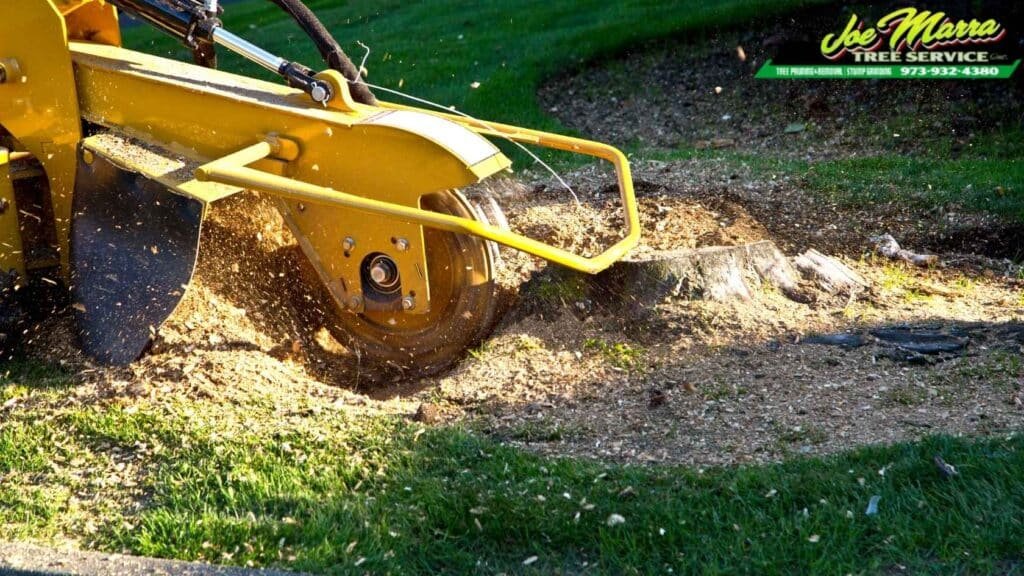
Have you ever wondered how long it takes for stump grindings to break down in your yard? If you’ve recently had a tree removed, you’re probably facing a pile of wood chips left behind.
You might be asking yourself, “Will these grindings disappear quickly, or will they stick around forever? ” Understanding the decomposition process can help you plan your next steps for landscaping or gardening. Keep reading to discover exactly what affects the breakdown of stump grindings and how you can speed up the process to get your outdoor space looking great again.
Credit: extension.illinois.edu
Stump Grinding Basics
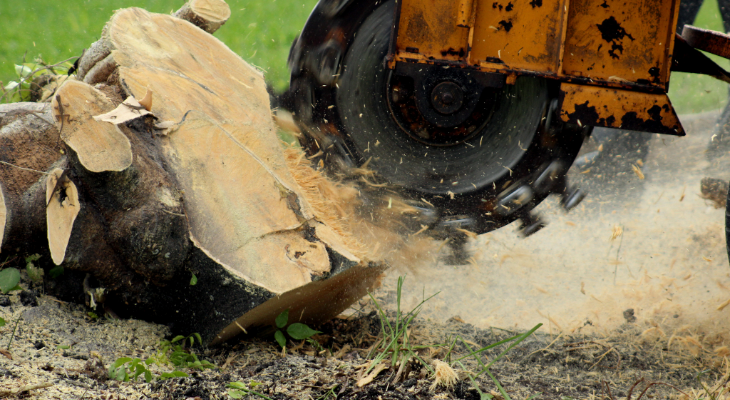
Stump grindingis the process of removing tree stumps using a special machine. This machine has a spinning blade that chips away the wood until the stump is ground below the soil level. The leftover wood chips help speed up the natural decay.
People often grind stumps to clear space for new plants or construction. Stumps can also attract insects or cause tripping hazards. Grinding makes the area safer and more attractive.
- Clears garden or yard space
- Prevents insect infestations
- Removes tripping hazards
- Helps new plants grow better
- Improves overall yard appearance
Factors Affecting Decomposition
The type of woodaffects how fast stump grindings break down. Softer woods like pine rot quicker than hardwoods like oak. Size of the stumpmatters too. Larger pieces take longer to decompose because they have more material to break down.
Soil conditionsplay a big role. Wet, rich soil speeds up decomposition. Dry or sandy soil slows it down. Climate impactcannot be ignored. Warm and moist climates help stump grindings decay faster. Cold or dry climates make the process much slower.
| Factor | Effect on Decomposition |
|---|---|
| Type of Wood | Soft woods decay faster than hard woods |
| Size of Stump | Larger pieces take longer to break down |
| Soil Conditions | Wet, rich soil speeds up decay; dry slows it |
| Climate Impact | Warm and moist climates speed decomposition |
Typical Decomposition Timeline
Stump grindings usually take 6 months to 2 yearsto decompose fully. This depends on factors like climate, soil type, and sizeof the grindings. Warm and moist conditions help speed up decomposition.
Small grindings break down faster than larger chunks. Over time, microbes and insects break the wood down into soil.
| Timeframe | Decomposition Stage | Signs |
|---|---|---|
| 0-3 months | Fresh grindings | Wood looks fresh and dry |
| 3-6 months | Early decay | Wood softens and darkens |
| 6-12 months | Active breakdown | Wood crumbles easily, smells earthy |
| 12-24 months | Fully decomposed | Turns into dark soil, no wood pieces |

Credit: southernrootstreeservices.com
Speeding Up Decomposition
Natural methodscan help stump grindings break down faster. Keep the area moist but not soaked. Adding compost or mulchon top provides nutrients and helps microbes grow. Exposing grindings to sunlight speeds up drying and decay. Turning the grindings now and then adds oxygen, which helps decomposition.
Chemical accelerators like fertilizers or enzyme productscan boost the breakdown. Use products safe for plants and soil. Follow instructions carefully to avoid damage. These chemicals help microbes work faster, breaking down tough wood fibers.
| Proper Disposal Tips |
|---|
| Spread grindings in thin layers for quicker decay. |
| Mix with soil to help microbes access the wood. |
| Avoid piling grindings in thick, dense heaps. |
| Check local rules for disposal or reuse options. |
Common Challenges
Pest infestationsare common near stump grindings. Termites, ants, and beetles often live in the wood debris. These pests can spread to nearby plants or even buildings. Treating the area can help reduce this risk.
Regrowth issueshappen when new shoots grow from the stump. These shoots can be hard to remove and may need repeated cutting. Without treatment, regrowth can spoil the yard’s look and cause more work.
Environmental concernsinclude soil quality and water drainage. Stump grindings can affect how water moves in the soil. Sometimes, chemicals used to stop regrowth can harm nearby plants or animals. Proper care helps protect the environment.
Alternatives To Stump Grinding
Stump removal can be done by digging out the stump and roots. This method is effectivebut takes time and effort. It leaves a holethat must be filled afterward.
Burning methods use fire to reduce the stump to ash. It needs careful controlto avoid fire hazards. Burning can take several hours or days.
Natural decay means letting the stump break down on its own. This process can take years. Adding fungus or mulchcan help speed it up. It is the most eco-friendlyoption but slowest.

Credit: joemarratreeservice.com
Frequently Asked Questions
How Long Do Stump Grindings Take To Decompose Naturally?
Stump grindings usually decompose within 6 months to 2 years. Factors like moisture, temperature, and microbial activity affect this process.
Can I Speed Up Stump Grinding Decomposition?
Yes, adding nitrogen-rich materials and regularly watering can speed decomposition. Turning the grindings also promotes faster breakdown.
Is It Safe To Use Stump Grindings As Mulch?
Yes, after full decomposition, stump grindings make good mulch. They improve soil structure and retain moisture effectively.
What Affects The Decomposition Rate Of Stump Grindings?
Decomposition rate depends on grind size, climate, soil microbes, and moisture. Smaller pieces and warm, moist conditions accelerate breakdown.
Conclusion
Stump grindings break down slowly over time. Nature’s process can take several months to years. Moisture, temperature, and soil type affect the speed. Smaller pieces decompose faster than large chunks. Regular watering and turning can help decomposition. Patience is key when dealing with stump grindings.
Eventually, the wood turns into rich, natural mulch. This mulch can improve your garden’s health. Understanding this timeline helps you plan landscaping better. Keep the area clean to avoid pests. Let nature do its work, and your soil will benefit.