
Are you ready to take your cooking skills to the next level? Learning how to use a meat grinder can unlock a world of fresh, flavorful meals made exactly the way you like them.
Imagine having full control over the texture and quality of your ground meat, right in your own kitchen. Whether you want juicy burgers, savory sausages, or rich meat sauces, mastering this simple tool will transform your meals. Keep reading, and you’ll discover easy steps to use your meat grinder safely and effectively—making every dish a delicious success.
Choosing The Right Meat Grinder
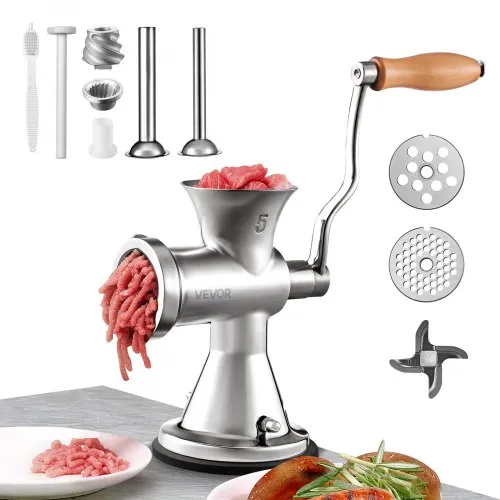
Manual grindersare simple and quiet. They need you to turn a handle. Good for small jobs and easy to clean. Electric grinderswork faster and with less effort. Best for large amounts of meat or frequent use.
| Feature | Manual Grinder | Electric Grinder |
|---|---|---|
| Speed | Slow | Fast |
| Ease of Use | Requires effort | Very easy |
| Noise | Quiet | Louder |
| Cleaning | Simple | More parts |
| Price | Less expensive | More expensive |
- Capacity:How much meat you grind at once.
- Durability:Strong materials last longer.
- Ease of cleaning:Removable parts help.
- Size:Fits your kitchen space.
- Attachments:Extra tools for different cuts.
Choose a grinder that fits your kitchen size and budget. For small families, a manual grinder may work well. For bigger needs, electric grinders save time. Think about cleaning ease and how often you will use it. Pick a grinder with the right features for you.

Credit: www.amazon.ca
Preparing Meat For Grinding
Choose fresh and lean cutsof meat like chuck, sirloin, or round. Avoid cuts with too much fat or gristle. This helps get a better texture and taste.
Trim away all silver skin, fat, and sinewbefore grinding. Cut meat into small cubes, about 1-inch pieces. This makes it easier to feed into the grinder.
Keep meat cold but not frozen. Chill it for at least 30 minutes before grinding. Cold meat grinds better and prevents fat from smearing.
Setting Up The Meat Grinder
Begin by placing all parts on a clean surface. Check if the grinder plate, blade, and screw fit well together. Insert the screw into the main body, followed by the blade, then the plate. Secure the front ring tightly to hold everything in place.
Make sure the grinder is stable and won’t move during use. Keep fingers away from sharp parts. Use a sturdy table or countertop to avoid slipping. Always unplug the grinder when assembling or cleaning to avoid accidents.
Lightly coat moving parts like the screw and blade with food-safe oil. This keeps them running smoothly and stops rust. Avoid using too much oil to prevent meat contamination. Regular lubrication extends your grinder’s life and improves performance.
Grinding Meat Efficiently
Feed the meat into the grinder in small pieces. Keep the meat cold to avoid clogging. Use a steady, gentle push to help the meat pass through easily. Avoid overloading the grinder as it can slow down or damage the machine.
Adjust grind sizes by changing the blade or plate. Finer grinds work well for sausages, while coarse grinds suit burgers and chili. Test small amounts first to find the best texture for your dish.
- Cut meat into small cubes before grinding.
- Chill meat and grinder parts for smoother grinding.
- Clean the grinder immediately after use.
- Do not force meat; let the grinder work at its pace.
- Remove sinew and gristle for better texture.
Cleaning And Maintaining Your Grinder
Disassemble the grinder carefully. Keep track of all small parts. Use a brush to clean hard-to-reach areas. Avoid mixing parts from different grinders to prevent damage.
Remove leftover meat immediately. Use warm water and mild soap. Scrub all surfaces to stop bacteria growth. Dry parts thoroughly to avoid rust.
- Store blades and plates in a dry place.
- Wrap sharp parts in cloth for safety.
- Keep all components together to avoid loss.
- Regularly check for wear and tear.

Credit: www.amazon.ca
Creative Uses For Ground Meat
Making sausagesis easy with ground meat. Mix meat with spices and herbs. Use sausage casings or wrap in plastic wrap. This helps create tasty homemade sausages.
Preparing burgers and meatballsallows for control over ingredients. Shape the ground meat into patties or balls. Add salt, pepper, and other flavors. Cook them fresh for juicy results.
Incorporating into recipesbrings new flavors and textures. Use ground meat in pasta sauces, casseroles, or tacos. It blends well and adds protein to meals.
Credit: www.vevor.com
Frequently Asked Questions
How Do I Assemble A Meat Grinder Properly?
To assemble a meat grinder, align the main parts correctly. Insert the auger, blade, and grinding plate. Secure with the retaining ring. Always check for tight fitting to avoid leaks and ensure smooth operation.
What Types Of Meat Are Best For Grinding?
Choose fresh, lean meats like beef, pork, or chicken. Trim excess fat for better texture. Avoid tough cuts to prevent clogging. Mixing meats can enhance flavor and consistency in your ground meat.
How Do I Clean A Meat Grinder Safely?
Disassemble the grinder immediately after use. Wash all parts in warm, soapy water. Use a brush to remove meat residues. Dry thoroughly to prevent rust. Avoid using harsh chemicals to preserve the grinder’s components.
Can I Grind Frozen Meat In A Grinder?
Yes, partially freeze meat for 30-60 minutes before grinding. This firms the meat, making it easier to grind. Avoid grinding fully frozen meat as it can damage the grinder and affect texture.
Conclusion
Using a meat grinder makes fresh ground meat easy and safe. Clean the grinder well after each use to keep it working. Always cut meat into small pieces before grinding. Take your time and go slow for best results. Homemade ground meat tastes better and you control the ingredients.
Practice will help you get comfortable with the process. Enjoy cooking with fresh, ground meat made by you!