
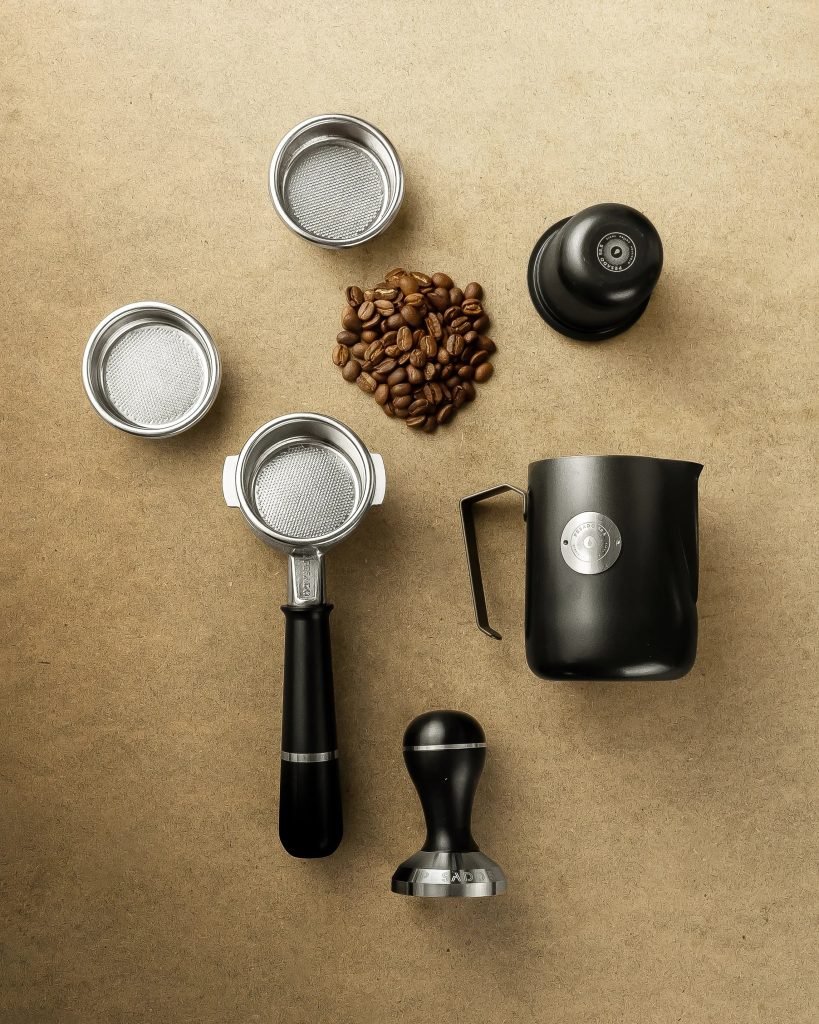
You know that perfect cup of coffee starts with the right grind. But how do you get your coffee beans ground just right every time?
Whether you’re brewing at home or want to impress friends with your barista skills, grinding coffee beans properly makes all the difference. In this guide, you’ll discover simple tips and tricks to master grinding your beans, unlocking richer flavor and aroma in every cup.
Ready to take your coffee game to the next level? Keep reading, and you’ll never look at coffee grinding the same way again.

Credit: www.cibodargento.com
Choosing The Right Grinder
Blade grinderschop beans unevenly. They are cheapbut create inconsistent grinds. Burr grinders crush beans with two abrasive surfaces. This gives a uniform grind size, essential for good coffee.
Manual grinders need physical effort but are quietand portable. Electric grinders work fast and need less effort. Choose based on how much coffeeyou make and whereyou use it.
- Clean burrs or blades regularly to avoid old coffee buildup.
- Use a dry brush or cloth for cleaning.
- Check for dull burrs and replace when needed.
- Store grinder in a dry place to protect parts.
Selecting Coffee Beans
Whole beanskeep their flavor longer than pre-ground coffee. Grinding just before brewing gives a fresher taste. Beans protect the oils and aromas inside until crushed.
Roast level changes coffee taste a lot. Light roasts are mild and bright. Medium roasts have balanced flavors. Dark roasts taste strong and smoky. Choose roast based on your flavor preference.
| Storage Tip | Reason |
|---|---|
| Keep beans in an airtight container | Prevents air from making beans stale |
| Store in a cool, dark place | Stops heat and light from damaging beans |
| Avoid the fridge or freezer | Moisture can harm beans and flavor |
Grinding Techniques
Adjusting grind sizeis key for good coffee. A coarse grind works well for French press, making a bold taste. Fine grind suits espresso machines, giving a rich and strong flavor. Medium grind fits drip coffee makers, balancing taste and extraction.
Matching grind size to your brewing methodhelps avoid bitterness or weak flavor. Too fine a grind in a slow brew can cause over-extraction. Too coarse a grind in fast brewing leads to weak coffee.
Avoiding overheatingduring grinding keeps beans fresh. Grinding too fast or long heats beans and changes flavor. Use short pulses or a grinder with good cooling to keep beans cool. This keeps the coffee tasting pure and smooth.

Credit: angelinos.com
Measuring Coffee Grounds
Measuring coffee groundsaccurately is key to a good brew. Using a scalegives you precise weight. This helps keep your coffee consistent every time. Scoops are easier but less exact. Different scoops hold different amounts. This can change the taste.
Consistency matters a lot. A scale shows grams or ounces, so you get the same amount always. Scoops may vary, so your coffee might taste stronger or weaker.
| Measurement Tool | Pros | Cons |
|---|---|---|
| Scale | Precise, consistent, easy to adjust | Needs batteries or power, takes a few seconds |
| Scoop | Quick, simple, no power needed | Less accurate, varies by scoop size |
Maximizing Freshness
Grinding coffee beans just before brewing keeps the coffee freshand full of flavor. Ground coffee starts to lose its aroma and taste quickly after grinding. The oilsin the beans begin to evaporate, which makes the coffee less tasty. For best results, grind only the amount you need.
After grinding, store the coffee in an airtight container. Keep it in a cool, dark place, away from heat and sunlight. Avoid storing ground coffee in the fridge or freezer, as moisture can ruin its flavor. Use the ground coffee within a few days for the best taste.

Credit: www.homegrounds.co
Frequently Asked Questions
What Is The Best Grind Size For Coffee Beans?
The best grind size depends on your brewing method. Coarse grind suits French press, medium for drip, and fine for espresso. Adjusting grind size controls extraction and flavor balance in your coffee.
How Long Should I Grind Coffee Beans?
Grinding time varies by grinder type and desired coarseness. Typically, 10-20 seconds for medium grind works well. Avoid overgrinding to prevent bitterness and undergrinding to avoid weak coffee.
Can I Grind Coffee Beans Without A Grinder?
Yes, you can use a mortar and pestle, rolling pin, or blender. However, these methods may produce uneven grinds, affecting coffee flavor and extraction.
Should I Grind Coffee Beans Fresh Before Brewing?
Grinding fresh before brewing preserves coffee’s aroma and flavor. Pre-ground coffee loses freshness quickly due to oxidation. For best taste, grind beans just before brewing.
Conclusion
Grinding coffee beans takes practice and care. Choose the right grind size for your brew. Use fresh beans for the best taste. A consistent grind helps bring out rich flavors. Small changes can affect your coffee’s strength and aroma. Keep your grinder clean to avoid old residue.
Enjoy the process as part of making your coffee. Freshly ground beans make every cup better. Try different grind settings to find your favorite. Start simple, and enjoy the fresh taste every time.