
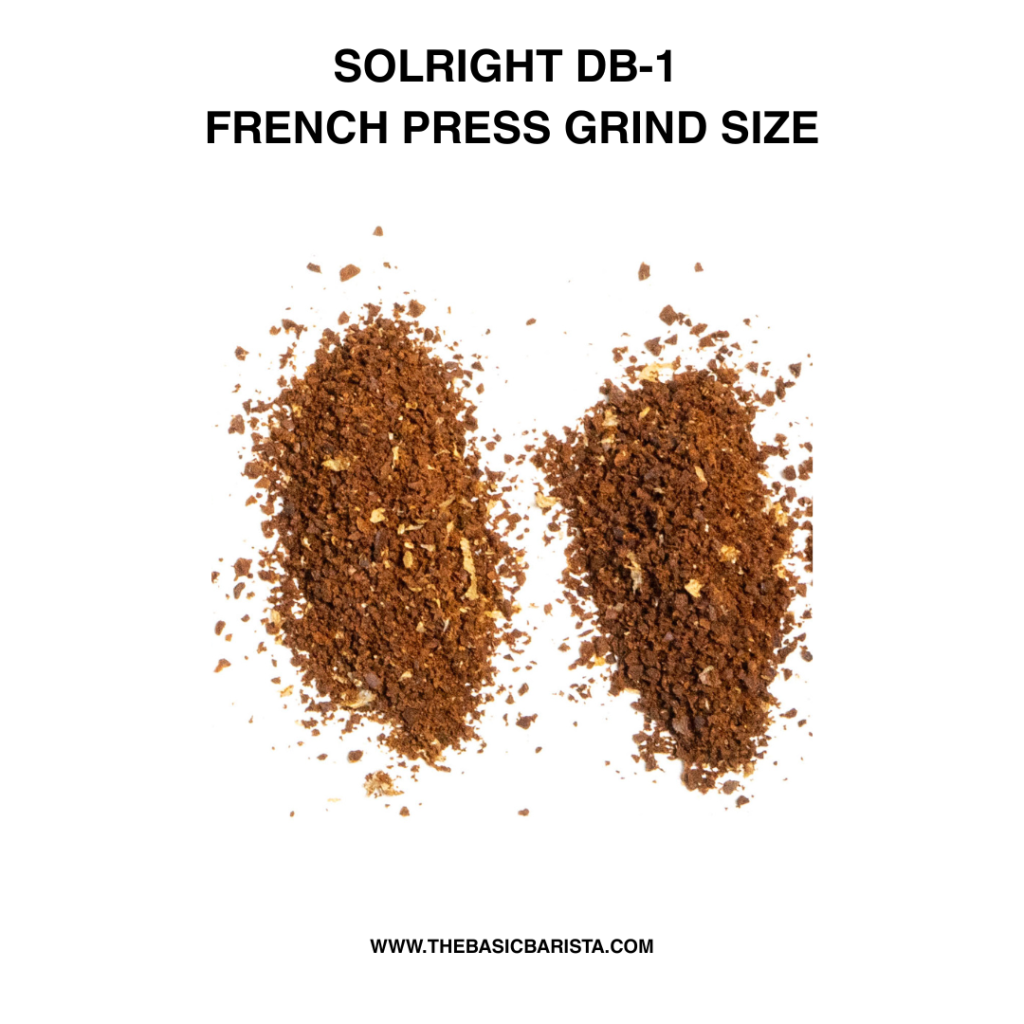
If you want the perfect cup of coffee from your French press, getting the grind size just right is key. Too fine, and your brew might turn bitter and gritty.
Too coarse, and it could taste weak and watery. So, how fine should you grind your coffee for a French press? This simple detail can make all the difference in flavor and enjoyment. Keep reading to discover exactly what grind size works best for your French press and how it affects every sip you take.
Your perfect brew is closer than you think.

Credit: truegrindcoffee.com
Grind Size And Brew Quality
Coarse grindslook like small pebbles. They allow water to flow easily. This results in a cleaner tasteand less bitterness. Coarse grinds need a longer brew time, usually 4-5 minutes. This helps extract all the flavors gently.
Medium coarse grindsare smaller than coarse but bigger than medium. They extract flavors faster and may create a stronger taste. Brew time can be shorter, around 3-4 minutes.
| Grind Size | Extraction | Brew Time | Taste |
|---|---|---|---|
| Coarse | Slow, gentle | 4-5 minutes | Clean, less bitter |
| Medium Coarse | Faster, stronger | 3-4 minutes | Fuller, stronger |
Choosing The Right Grinder
Choosing the right grinder affects how well coffee brews in a French press. A coarse grind is best to avoid bitterness and clogging. Adjust grind size slightly to match your taste and brewing time.
Blade Vs Burr Grinders
Burr grindersoffer more consistent grind sizethan blade grinders. Blade grinders chop beans unevenly, causing uneven extraction. Burr grinders crush beans between two burrs, resulting in uniform particles. This uniformity is better for French press coffee. Blade grinders are cheaper but less precise. Burr grinders come in two types: conicaland flat burrs. Both work well, but conical burrs are quieter and produce less heat.
Consistency Matters
Consistent grind size helps better flavor extraction. Too fine grinds can make coffee bitter and muddy. Too coarse grinds cause weak, watery coffee. For French press, aim for a coarse and even grind. This lets water flow smoothly and extract good flavors.
Adjusting Grind Settings
- Start with a coarse setting on your grinder.
- Check the grind size; it should be chunky like breadcrumbs.
- Make small adjustments to grind finer or coarser.
- Test brew and change grind if coffee tastes off.
- Keep notes to find the perfect grind for your French press.
Brewing Techniques For French Press
Water temperatureshould be between 195°F and 205°Ffor best flavor. Boiling water cools down before pouring. Too hot water can make coffee bitter. Too cool water may cause weak taste.
Steeping timeis usually 4 minutes. Shorter time = weak coffee. Longer time = bitter coffee. Stir gently after pouring water to mix grounds well.
Press the plunger slowly and evenly. Fast pressing can let grounds escape into the coffee. Stop when you feel resistance. Pour coffee immediately to avoid over-extraction.
Troubleshooting Common Issues
Over-extractionhappens when coffee tastes very bitter or harsh. This means the grind is too fine or the brew time is too long. Coffee may also feel dry or chalky in the mouth.
Under-extractionresults in weak, sour, or watery coffee. The grind is too coarse or the brewing time is too short. The coffee may taste flat or lack depth.
| Grind Size | Effect | Fix |
|---|---|---|
| Too Fine | Bitter, Over-extracted | Use a coarser grind |
| Too Coarse | Sour, Under-extracted | Use a finer grind |
| Just Right | Balanced, Rich Flavor | Medium-coarse grind |
Enhancing Flavor With Grind Control
The grind size affects the taste and textureof French press coffee. A coarse grindgives a full bodybut may cause some sediment in the cup. A finer grindcreates a clearer cup but might taste bitter or muddy.
Try different grind sizes to find the best balance between strength and clarity. Start coarse, then adjust slightly finer or coarser.
Use these tips to match grind size with coffee beans:
- Light roasts:Slightly finer grind to bring out flavor
- Dark roasts:Coarser grind to avoid bitterness
- Single origin beans:Experiment for unique taste
- Blends:Medium coarse grind for balanced flavor
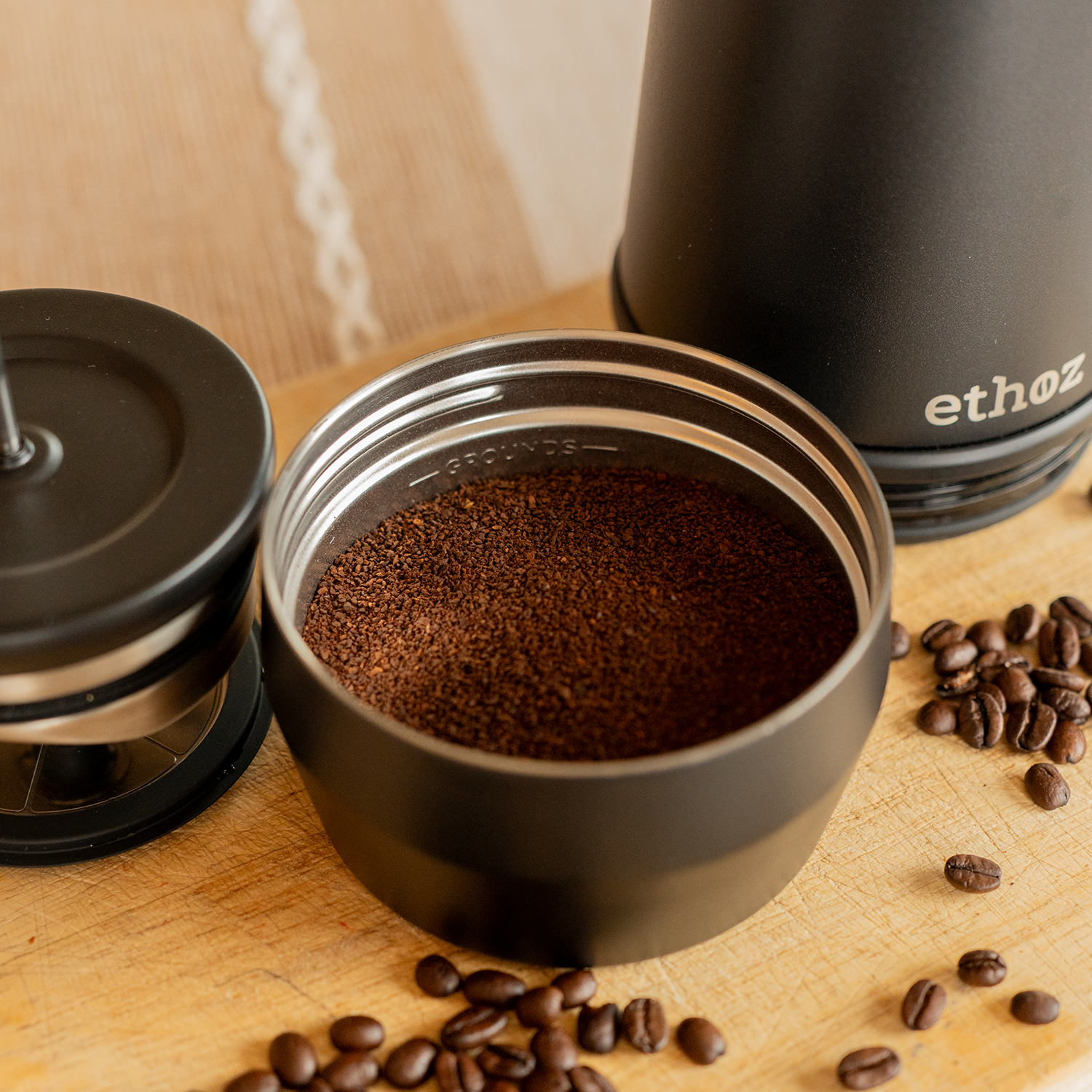
Credit: planetarydesign.com

Credit: diosmiocoffee.com
Frequently Asked Questions
What Grind Size Is Best For French Press Coffee?
A coarse grind size is best for French Press coffee. It prevents over-extraction and reduces sediment in your cup. Coarse grounds allow water to flow evenly, producing a balanced and smooth flavor.
Why Avoid Fine Grind For French Press Brewing?
Fine grind clogs the mesh filter in a French Press. It causes over-extraction, resulting in bitter and harsh coffee. Also, fine grounds increase sediment, making your coffee gritty and unpleasant.
How Does Grind Size Affect French Press Taste?
Grind size controls extraction rate and flavor balance. Coarse grounds produce a clean, rich taste. Finer grounds lead to bitterness and excessive sediment. Proper grind size enhances your coffee’s aroma and smoothness.
Can I Use Medium Grind For French Press?
Medium grind can be used but is not ideal. It may cause slight over-extraction and more sediment. For best results, stick to a coarse grind to achieve optimal flavor and clarity.
Conclusion
Choosing the right grind size makes a big difference. A coarse grind works best for French press. It helps water flow evenly and stops bitter flavors. Avoid fine grinds that cause clogging and mud. Remember, fresh coffee grounds taste better.
Adjust your grind a little to find your perfect cup. Enjoy brewing simple, rich coffee every time. Small changes bring better flavor and a great coffee moment.