

Cutting concrete might sound tough, but with the right tool and technique, you can do it yourself—and save time and money. If you have an angle grinder, you’re already halfway there.
This powerful tool can make clean, precise cuts in concrete, whether you’re working on a small DIY project or a bigger home improvement task. In this guide, you’ll learn step-by-step how to cut concrete safely and effectively with your angle grinder.
Keep reading, and you’ll gain the confidence to handle your project like a pro.
Choosing The Right Angle Grinder
Angle grinders come in many types. Some are corded, others cordless. Corded grinders provide steady power but need an outlet nearby. Cordless grinders offer mobility but may run out of battery quickly. Choose based on your workspace and project length.
Size matters. Smaller grinders (4-5 inches) are good for light tasks and tight spaces. Larger grinders (7-9 inches) cut through thick concrete faster but are heavier. Pick a size that feels comfortable and suits your job.
Safety features help protect you. Look for a grinder with:
- Safety guardsthat cover the blade fully
- Anti-kickbackto reduce sudden moves
- Lock-on switchesto keep the tool running safely
- Vibration controlto reduce hand fatigue
Selecting The Proper Cutting Disc
Diamond bladescut concrete cleanly and last longer. They have small diamonds on the edge that grind the concrete. Abrasive discswear out faster and may not cut as smoothly. For tough jobs, diamond blades are best.
Choose the right disc sizeto match your angle grinder. Common sizes include 4.5 inches and 7 inches. The disc thickness affects cutting speed and control. Thinner discs cut faster but can wear quickly. Thicker discs last longer but cut slower.
| Blade Quality | Durability | Cutting Speed |
|---|---|---|
| High-quality diamond | Long-lasting | Fast and smooth |
| Standard abrasive | Wears out quickly | Slower, rough cuts |
Preparing The Work Area
Clear the area around the concrete to have enough space to work. Remove any objects that can cause accidents. Use a tape measure and a marker to draw a clear cut line on the concrete. This line guides the angle grinder for a straight cut.
Good lighting helps see the cut line clearly. Work in a well-lit place or use extra lamps. Fresh air is important. Open windows or doors to avoid dust build-up and keep air moving.
Set up safety barriers to protect others. Use cones or warning signs to mark the work zone. This stops people from walking too close to the grinder while cutting.

Credit: www.familyhandyman.com
Safety Gear Essentials
Eye and face protectionis crucial to prevent injuries from flying concrete chips. Use safety goggles or a full face shield for the best defense.
Hearing protectionhelps reduce noise from the angle grinder. Earplugs or earmuffs protect your ears from loud sounds.
Glovesprotect your hands from sharp edges and vibrations. Choose thick, durable gloves for a firm grip.
Respiratorsguard your lungs from dust and harmful particles. A good dust mask or respirator keeps the air clean as you cut concrete.
Step-by-step Cutting Process
Secure the concrete piece to prevent it from moving. Use clamps or heavy objects to hold it firmly. This helps keep the cut straight and safe.
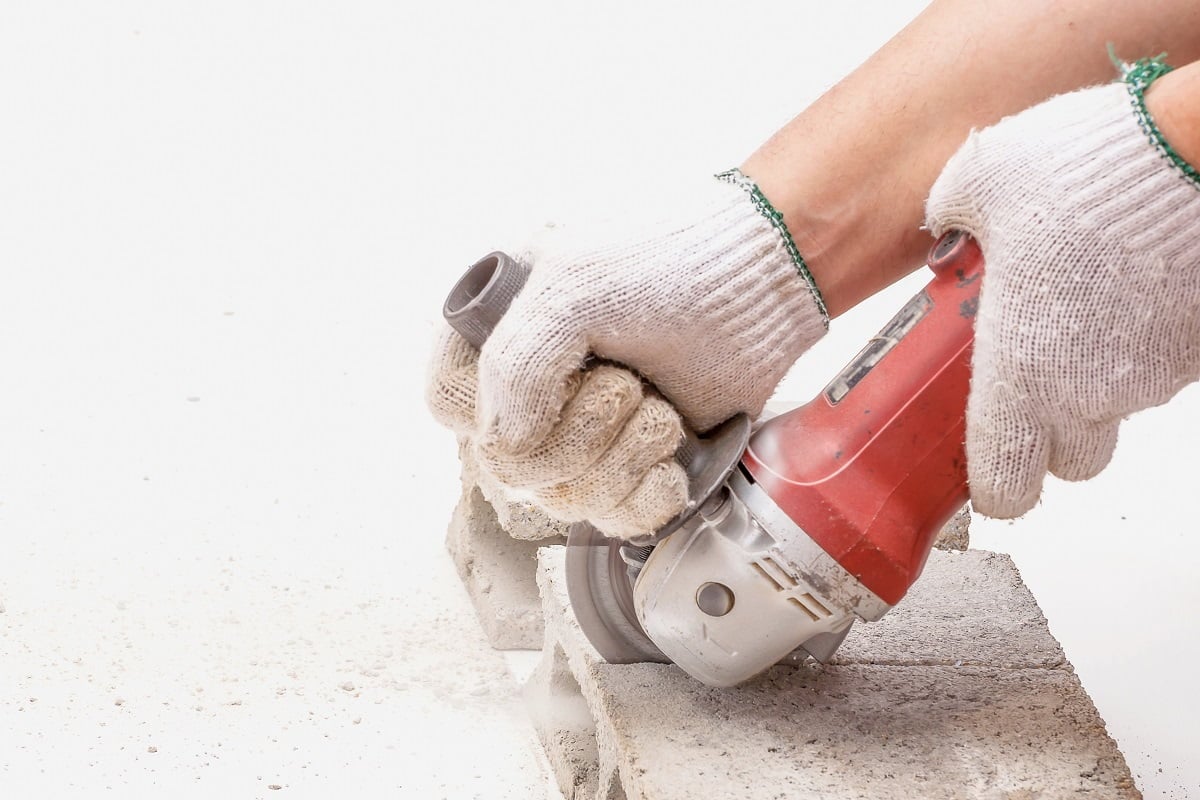
Start the cut by gently touching the angle grinder’s blade to the concrete. Let the blade do the work. Avoid pushing too hard to keep control.
Maintain steady pressure as you move the grinder along the cut line. Keep your hands steady and follow the marked line carefully. This ensures a clean and even cut.
Manage dust and debris by wearing a mask and using water spray if possible. This reduces dust in the air and keeps the blade cool. Clean the area often to avoid buildup.
Common Mistakes To Avoid
Forcing the grindercan cause the blade to wear out fast. Let the tool do the work. Applying too much pressure can lead to uneven cuts and damage the grinder motor.
Using the wrong bladecan be dangerous. Always pick a blade made for cutting concrete. A metal or wood blade will break quickly and may cause injury.
- Wear safety goggles to protect your eyes from dust and sparks.
- Use ear protection to guard against loud noise.
- Wear gloves to avoid cuts and burns.
- Keep a firm grip on the angle grinder at all times.
- Work in a well-ventilated area to reduce dust inhalation.
Post-cut Cleanup And Maintenance
After cutting concrete, the angle grinderneeds proper cleaning. Remove dust and debris from the tool. Use a brush or cloth to wipe the surface.
Check the blade carefully. Look for chips, cracks, or wear. Replace the blade if it shows damage. A sharp blade works better and is safer.
Store the angle grinder in a dry, safe place. Keep it away from moisture to stop rust. Use a case or cover to protect it from dust.

Credit: omadatools.com
Credit: homesthetics.net
Frequently Asked Questions
What Safety Gear Is Needed To Cut Concrete With An Angle Grinder?
Always wear safety goggles, gloves, ear protection, and a dust mask. This gear protects you from debris, noise, and dust during cutting.
Which Blade Is Best For Cutting Concrete With An Angle Grinder?
Use a diamond-tipped blade designed for concrete. It ensures clean, efficient cuts and lasts longer than standard blades.
How Deep Can An Angle Grinder Cut Concrete?
Angle grinders typically cut up to 2 inches deep. For deeper cuts, multiple passes or a different tool may be necessary.
Can I Cut Concrete Without Water Using An Angle Grinder?
Yes, dry cutting is possible but creates more dust. Wet cutting reduces dust and blade wear but requires water supply and proper handling.
Conclusion
Cutting concrete with an angle grinder takes care and focus. Use the right blade and keep steady hands. Always wear safety gear to protect yourself. Take your time and follow each step carefully. Small cuts can make a big difference in your project.
Practice on scrap pieces before working on important areas. This tool can help you finish jobs faster and cleaner. Stay safe, work smart, and your concrete cuts will look great. Simple tools and careful work lead to good results every time.