
Want to learn how to grind on a skateboard and impress your friends at the skatepark? Grinding might seem tricky at first, but with the right steps, you can master it faster than you think.
This guide will break down everything you need to know to get started safely and confidently. By the end, you’ll feel ready to hit rails and ledges like a pro. Keep reading, and let’s get your grind game strong!
Choosing The Right Skateboard
The deck size and shapeaffect your balance and control. Smaller decks are easier for tricks. Larger decks give more stability. Shapes with a wider nose help in grinding.
Truckshold the wheels and affect grinding. Strong, durable trucks last longer. The width of trucks should match your deck size. Wheels matter too. Softer wheels grip better on rough surfaces. Hard wheels slide easier for tricks.
Grip tapekeeps your feet from slipping. Good grip tape helps you stay steady during grinds. It should cover the whole deck. Replace worn grip tape to keep safety and control.
Essential Safety Gear
Helmet and padsprotect your head, elbows, and knees. They help prevent serious injuries during falls. Choose a helmet that fits snugly without wobbling. Pads should cover your joints fully and stay in place.
Proper footweargives you grip and control on the board. Wear flat-soled shoes with good grip. Avoid shoes with thick soles or high heels. Skate shoes are best because they offer support and durability.
Basic Skateboard Stance
Choosing your stanceis key to feeling comfortable on the skateboard. The two main types are Regularand Goofy. Regular means placing your left foot at the front. Goofy means placing your right foot at the front. Most people find one stance easier than the other.
To find your stance, think about which foot you use to kick a ball. The foot you don’t use to kick usually goes at the front on the board.
- Regular:Left foot forward, right foot at the back
- Goofy:Right foot forward, left foot at the back
Balancing is very important. Keep your knees bent and body low. This helps you stay steady. Use your arms to keep balance and shift your weight to stay on the board. Practice standing still before trying to grind.
Approaching The Grind
Speed is key for a good grind. Too slow means no slide, too fast means loss of control. Find a balance that feels smooth and steady. Momentum helps keep the board moving along the obstacle without stopping.
Position your body and board right before the grind. Approach the obstacle at a slight angle. Keep your knees bent and shoulders aligned with the board. Eyes focused on where you want to slide helps with balance and control.
Common Grind Types
50-50 Grindmeans both trucks slide along the rail or ledge. It is one of the easiest grinds to learn. Keeping balance is key. Both feet stay on the board. The board stays flat on the rail.
Boardslidehappens when the middle of the board slides on the rail. The board turns sideways. The trucks do not touch the rail. It feels smooth and looks cool.
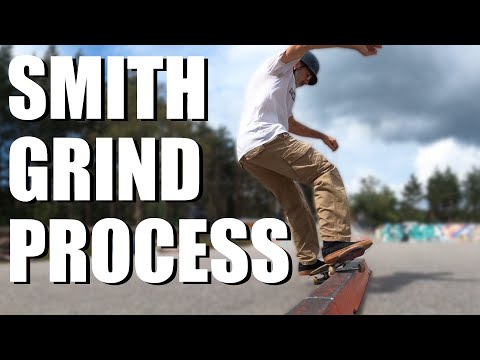
Smith Grinduses the back truck to slide on the rail. The front truck hangs off the side. The board tilts down a little. It looks stylish and is fun to try.
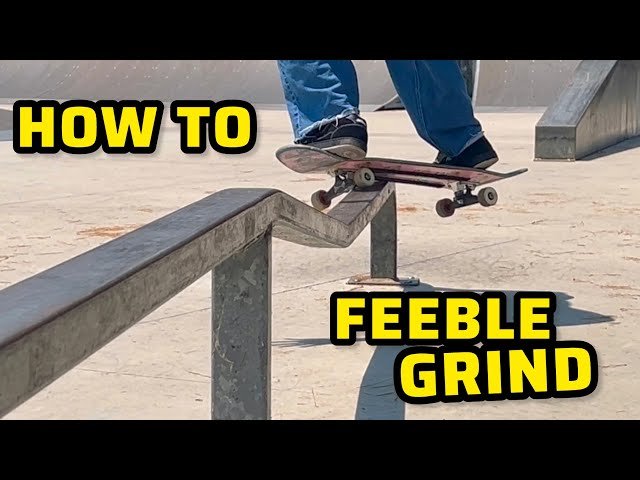
Feeble Grindis like the Smith but the front truck goes under the rail. The back truck slides on top. It needs more balance and skill. It looks tricky and is a good challenge.
Credit: www.youtube.com
Step-by-step Grind Execution
Start by approaching the rail at a steady speed. Perform an ollieto jump onto the rail with your board. Aim to land both trucks on the rail smoothly. Keep your eyes focused on the rail to stay aligned.
Once on the rail, lock the trucksby positioning the board so it grips the edge. This helps prevent slipping off. Use your feet to control the board’s angle and grip.
Balanceis key. Bend your knees slightly and keep your body centered over the board. Use your arms to help stay steady. Small adjustments keep you stable while grinding.
To exit the grind, prepare by shifting your weight slightly back. Lift the front truck off the rail with a small pop. Land back on the ground safely and roll away smoothly.
Troubleshooting Common Mistakes
Losing balance mid-grind often happens from poor body positioning. Keep your weight centered over the board. Look straight ahead, not down. Bend your knees slightly to absorb shocks. Practice on smaller rails to build confidence.
Not locking trucks properly can cause wobbling and falls. Make sure the trucks are tight but still allow turning. Check your trucks before each session. Use a skate tool to adjust tightness if needed.
Improper speed control makes grinding harder and unsafe. Too slow means you’ll stop on the rail. Too fast can cause loss of control. Find a comfortable speed that lets you slide smoothly. Practice pushing and braking to keep steady speed.

Credit: en.wikipedia.org
Improving Grind Skills
Practice drills help build balanceand control. Start with simple grinds on low rails. Try sliding your trucks slowly to get used to the motion. Repeat these drills often to improve muscle memory.
Video analysis lets you see your moves clearly. Record your grinds and watch carefully. Notice where your feet are and how your body moves. Compare your videos with skilled skateboarders to find areas to improve.
Learning from others is very helpful. Watch friends or local skaters. Ask them for tips and advice. Seeing different styles can inspire your own tricks. Practice together to gain confidence and new skills.
Advanced Grind Variations
The crooked grindis a trick where the front truck grinds on the rail or ledge. The back truck stays off the obstacle. Balance is key for this grind. Keep your weight mostly on the front foot.
A nosegrinduses only the front truck to slide along the edge. The board points forward, and the back truck stays above the surface. It requires good control and balance.
The bluntslideis done by sliding the tail of the board on the edge. The back truck is over the obstacle while the front truck is lifted. It looks tricky but feels smooth once learned.
- Crooked Grind: Front truck on edge, back truck off.
- Nosegrind: Front truck grinds, board points forward.
- Bluntslide: Tail slides, back truck over the obstacle.

Credit: www.youtube.com
Frequently Asked Questions
What Is The Best Stance For Grinding On A Skateboard?
The best stance depends on your comfort and balance. Most skaters prefer a regular or goofy stance. Practice both to find which feels natural. Proper foot placement improves control during the grind and prevents falls.
How Do I Start Learning Skateboard Grinds Safely?
Start by practicing on low rails or ledges. Wear protective gear like a helmet and pads. Master basic ollies before attempting grinds. Gradually increase difficulty to build confidence and skill.
Which Skateboard Parts Affect Grinding Performance?
The trucks and wheels impact your grind quality. Softer wheels grip surfaces better but reduce speed. Tight trucks provide stability but limit slide. Adjust your setup based on the grind style and surface.
How Can I Improve Balance During Skateboard Grinds?
Focus on keeping your weight centered over the board. Bend your knees slightly to absorb shocks. Look ahead rather than down for better stability. Regular practice enhances muscle memory and balance.
Conclusion
Grinding on a skateboard takes practice and patience. Start slow and focus on balance. Choose the right spot and wear safety gear. Keep your eyes on the rail or ledge. Small steps lead to big progress. Every fall teaches you something new.
Enjoy the ride and stay confident. Skateboarding is about having fun and trying new tricks. Keep practicing, and you will improve. Grinding can add excitement to your skate sessions. Remember, safety first and don’t give up!