
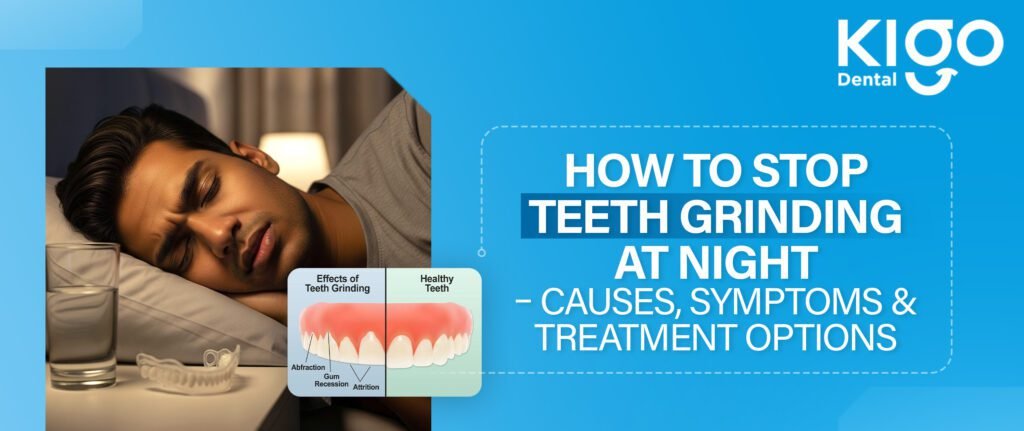
Are you waking up with a sore jaw or headaches? Teeth grinding might be the hidden cause behind your discomfort.
If this sounds familiar, you’re not alone—and the good news is, you can take control. Imagine ending that constant tension and protecting your smile without complicated treatments. You’ll discover simple, effective ways to stop teeth grinding and restore comfort to your daily life.
Keep reading to find the solutions that work for you.

Credit: www.dentistryondusk.com
Causes Of Teeth Grinding
Stress and anxietyoften cause teeth grinding. When feeling worried or tense, the jaw tightens. This can lead to grinding during sleep or even when awake.
Sleep disorderslike sleep apnea can cause grinding. The body reacts to poor sleep by clenching the teeth. This makes the problem worse over time.
Misaligned teethmay make grinding more likely. When teeth do not fit well, the jaw tries to adjust. This causes extra pressure and grinding sounds.
Lifestyle factorssuch as smoking, drinking alcohol, or drinking caffeine can increase teeth grinding. These habits can make the muscles tense and worsen the grinding.
Signs And Symptoms
Jaw pain and sorenessare common signs of teeth grinding. The jaw muscles may feel tired or tight, especially in the morning. This discomfort can affect daily activities like chewing or talking.
Tooth damagehappens due to constant grinding. Teeth may become worn, chipped, or cracked. This can lead to sensitivity and increase the risk of cavities.
Headachesoften occur near the temples or around the head. These headaches may start after waking up and can last throughout the day.
Sleep disruptionsaffect both the person grinding and their partner. Noisy grinding sounds and discomfort can make it hard to fall or stay asleep. Poor sleep quality can cause tiredness during the day.
Home Remedies
Stress reductionhelps calm your mind and jaw muscles. Deep breathing, meditation, or gentle yoga can ease tension. Try to take a few minutes daily to relax your body.
Jaw exercisescan loosen tight muscles. Open your mouth slowly, hold for a few seconds, and then close it. Repeat this several times to reduce grinding.
- Avoid stimulantslike caffeine and nicotine.
- They can make your jaw tense and increase grinding.
- Cut down on coffee, tea, and energy drinks, especially in the evening.
Proper sleep hygienesupports restful sleep and less grinding. Keep your bedroom dark and quiet. Stick to a regular bedtime and avoid screens before sleep.

Credit: www.youtube.com
Medical Treatments
Mouth guards and splintshelp protect teeth from grinding damage. They are made by dentists to fit your mouth. Wearing them at night reduces teeth wear and jaw pain.
Dental correctionfixes bite problems that cause grinding. Braces or crowns can align teeth properly. This lowers the chance of grinding during sleep.
Medication optionsinclude muscle relaxants and pain relievers. These help ease jaw tension and discomfort. Doctors may prescribe medicines for short periods only.
Therapy and counselingaddress stress and anxiety triggers. Talking to a therapist can reduce grinding caused by emotional issues. Behavior therapy teaches ways to stop clenching the jaw.
Preventive Measures
Regular dental checkups help catch teeth grinding early. Dentists can spot wear on teeth and suggest solutions. Visiting twice a year keeps your mouth healthy and prevents damage.
Lifestyle changes can reduce stress, a common cause of grinding. Try to avoid caffeine and alcohol near bedtime. Exercise regularly and practice deep breathing to relax your mind.
- Turn off screens at least one hour before sleep.
- Read a book or listen to soft music.
- Take a warm bath to ease muscle tension.
- Use a comfortable pillow to support your head well.
Credit: adofw.com
Frequently Asked Questions
What Causes Teeth Grinding During Sleep?
Teeth grinding, or bruxism, is often caused by stress, anxiety, or misaligned teeth. Sleep disorders and lifestyle factors like caffeine also contribute. Identifying the cause helps in choosing effective treatments to stop grinding and protect your teeth.
How Can I Stop Teeth Grinding Naturally?
To stop teeth grinding naturally, reduce stress through relaxation techniques like meditation or yoga. Avoid caffeine and alcohol before bed. Maintain a regular sleep schedule. These habits help relax your jaw muscles and reduce grinding frequency.
Are Mouth Guards Effective For Teeth Grinding?
Yes, mouth guards are effective in preventing teeth damage from grinding. They create a barrier between teeth, reducing wear and jaw strain. Custom-fitted guards by dentists offer the best protection and comfort during sleep.
When Should I See A Dentist For Teeth Grinding?
See a dentist if you experience jaw pain, headaches, or tooth damage. Persistent grinding can lead to serious dental issues. Early professional advice ensures proper diagnosis and treatment options, preventing further complications.
Conclusion
Stopping teeth grinding takes time and care. Try to reduce stress each day. Use a mouth guard at night if needed. Avoid caffeine and hard foods before sleep. Practice good sleep habits for better rest. See a dentist if pain or damage appears.
Small changes can protect your teeth and health. Keep these tips in mind for lasting relief. You deserve a calm and healthy smile.