
Do you ever wake up with a sore jaw or a headache that just won’t go away? You might be grinding your teeth without even realizing it.
Teeth grinding, or bruxism, often happens while you sleep, so many people don’t know they’re doing it. But ignoring it can cause serious damage to your teeth and lead to discomfort that affects your daily life. You’ll discover clear signs to watch for and simple ways to find out if you grind your teeth.
Keep reading to protect your smile and feel better every day.
Credit: comfortdds.com
Common Signs Of Teeth Grinding
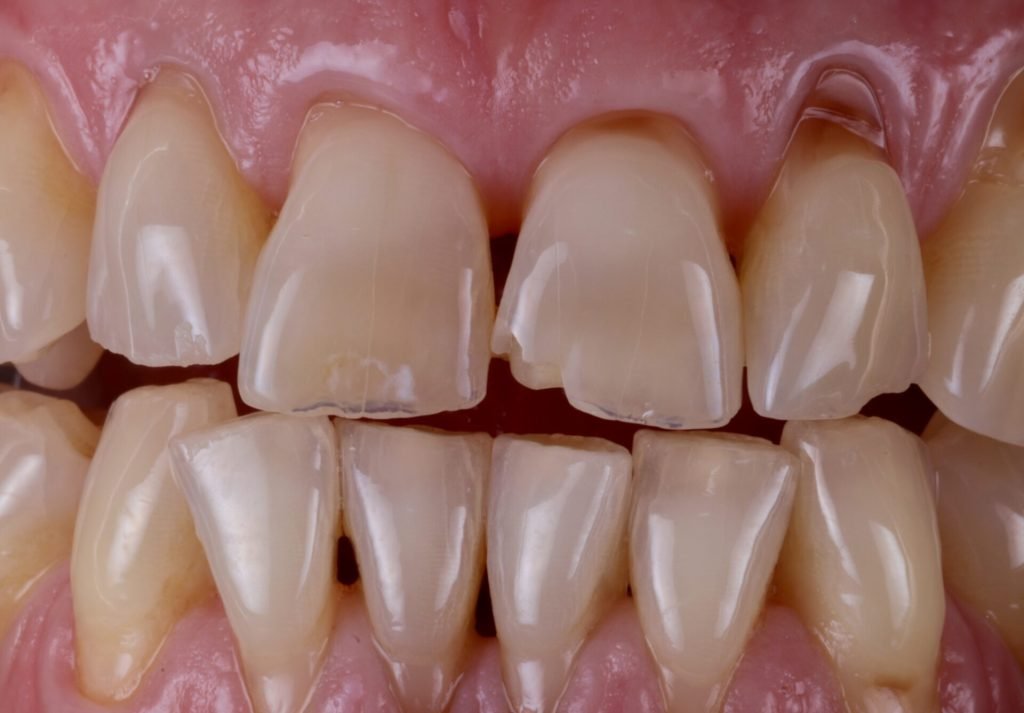
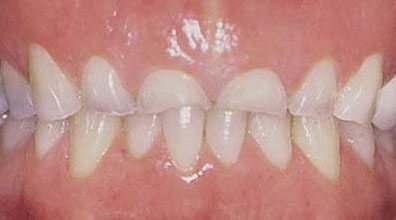
Teeth grinding can cause worn or damaged teeth. The edges might look flat or chipped. This happens because of constant rubbing at night.
Jaw pain and stiffnessoften occur after sleeping. The muscles feel tight and sore. Sometimes, the jaw clicks or pops when opening the mouth.
Headaches and earachescan result from grinding. These pains start near the temples or behind the eyes. The ear pain is not from the ear but from muscle strain.
Sensitive teethmay hurt when eating hot, cold, or sweet foods. This happens because the enamel wears down, exposing the inner layers.
Nighttime Clues
Grinding teeth at night may cause loud, noisy sounds. These noises can be heard by a sleeping partner or family member. It often sounds like scraping or clenchingof teeth.
Sleep can get interrupteddue to grinding. This might lead to feeling tired or restlessthe next day. Waking up with a sore jaw or headache is common.
Partners often notice changes in sleep habits. They may see you grinding or moving your jawduring sleep. Their observations help in spotting the problem early.
Daily Habits That Increase Risk
Stress and anxietycan cause you to grind your teeth without knowing. When feeling tense, your jaw tightens and presses the teeth together. This often happens during sleep or times of worry. Managing stress with simple exercises may help reduce grinding.
Caffeine and alcohol intakemight increase teeth grinding. Both can make your muscles tense and affect sleep quality. Drinking too much coffee or alcohol can worsen this habit, especially at night. Cutting back may improve your jaw comfort.
Smoking effectsinclude higher chances of grinding teeth. Chemicals in cigarettes affect nerves and muscles. This can make your jaw feel tight or sore. Quitting smoking often helps reduce this risk and improves oral health.

Credit: jsdentallab.com
When To See A Dentist
Professional diagnosis includes a dentist checking your teeth and jaw. They look for signs of wear, cracks, or soreness. Sometimes, dentists use special devices to record teeth grinding during sleep. They may ask about headaches, jaw pain, or earaches. Sometimes, X-rays help to see damage inside the mouth.
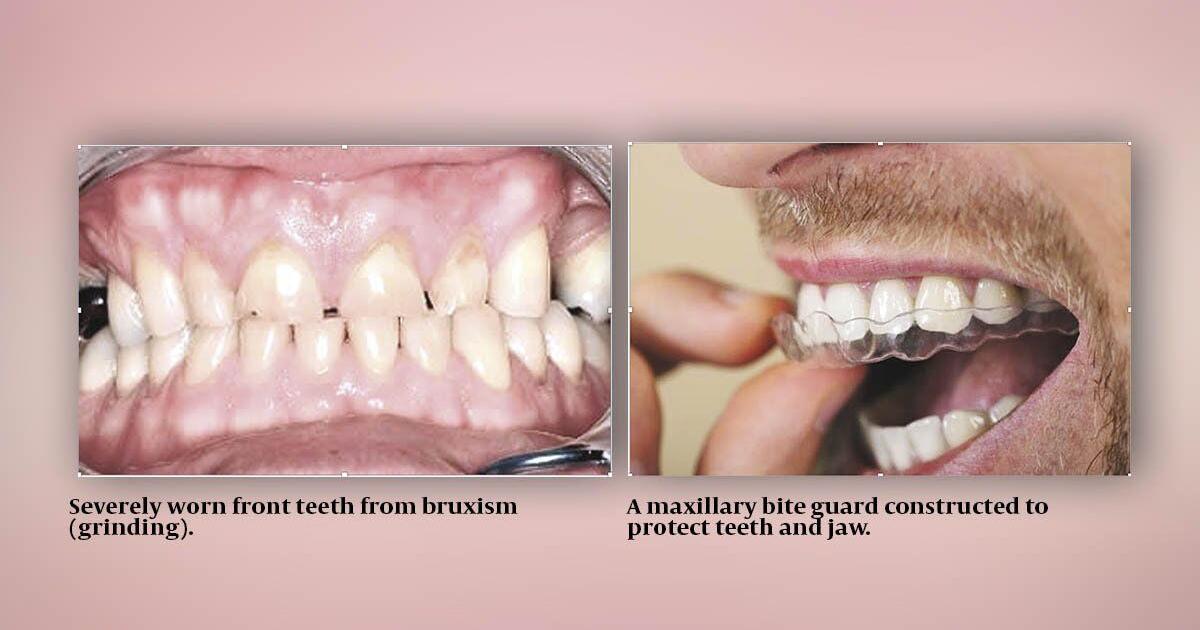
Treatment options depend on how bad the grinding is. A dentist might suggest a mouth guardto wear at night. This stops teeth from rubbing together. Sometimes, a dentist advises stress relief techniquesor changing sleep habits. In some cases, they may recommend physical therapyfor jaw muscles.
- Wear a mouth guard every night to protect teeth
- Reduce stress with simple exercises or meditation
- Avoid chewing gum or hard foods
- Keep a regular sleep schedule
- Visit your dentist regularly for check-ups
Self-help Tips To Reduce Grinding
Stress often causes people to clench or grind their teeth unknowingly. Deep breathing and meditation help calm the mind. Taking breaks to relax during the day reduces tension. Keeping a journal to write down worries can ease stress.
Good sleep habits make a big difference. Going to bed at the same time nightly helps the body rest well. Avoid screens and bright lights before sleeping. A cool, quiet room supports better sleep quality.
- Open your mouth wide and hold for 5 seconds.
- Move your jaw side to side gently.
- Massage your jaw muscles with your fingers.
- Repeat exercises 3 times a day.
These simple actions can ease jaw tightness and reduce grinding.
Credit: www.thenassauguardian.com
Frequently Asked Questions
What Are Common Signs Of Teeth Grinding?
Common signs include jaw pain, worn tooth enamel, headaches, and tooth sensitivity. You might also notice clicking sounds or tight jaw muscles. Identifying these signs early can help prevent dental damage and improve sleep quality.
How Can I Tell If I Grind My Teeth At Night?
Notice morning jaw soreness, headaches, or tooth discomfort. A dentist can confirm grinding through an oral exam or bite analysis. Sometimes, a sleep study helps detect nighttime teeth grinding (bruxism).
Can Teeth Grinding Cause Dental Problems?
Yes, grinding can cause tooth wear, fractures, and gum recession. It may also lead to jaw disorders and chronic headaches. Early detection and treatment can reduce these risks.
What Triggers Teeth Grinding In Adults?
Stress, anxiety, sleep disorders, and misaligned teeth often trigger grinding. Certain medications and lifestyle habits like caffeine or alcohol use may contribute. Managing these factors can reduce grinding episodes.
Conclusion
Teeth grinding is more common than you think. It’s essential to recognize the signs. Check for symptoms like jaw pain or headaches. These can indicate grinding. Visiting your dentist helps confirm suspicions. They can offer solutions and advice. Reducing stress can also help.
Relaxation techniques are worth trying. Mouthguards can protect teeth at night. Prioritize your dental health by staying alert. Regular check-ups play a crucial role. Stay informed and proactive. Your smile deserves care and attention.