
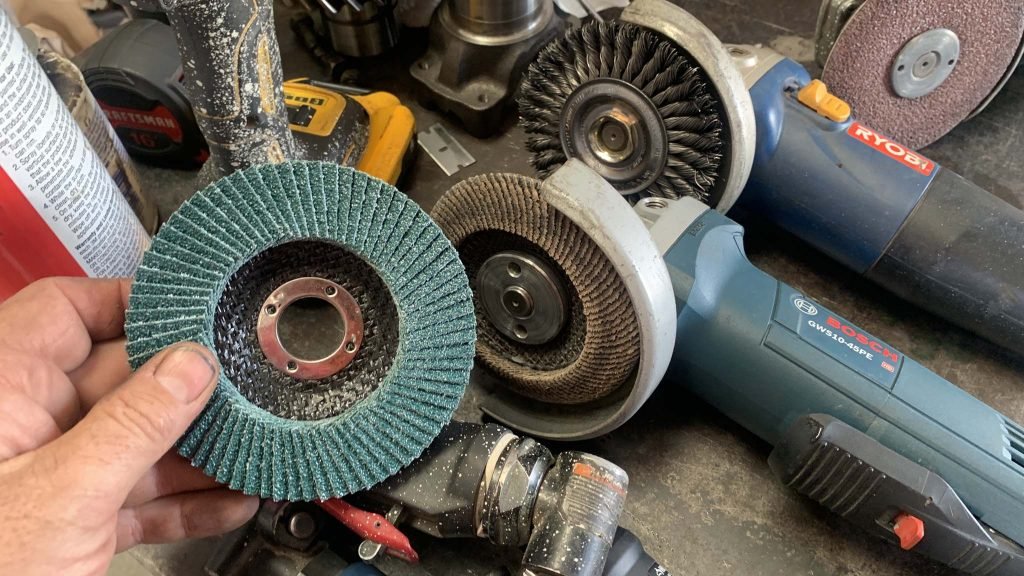
If you’ve ever struggled with cutting or shaping metal, a metal grinder could be your best tool. But how do you use it safely and effectively?
Whether you’re a beginner or just want to improve your skills, this guide will show you exactly how to handle a metal grinder like a pro. By the time you finish reading, you’ll feel confident and ready to tackle your next project with ease.
Keep reading—you don’t want to miss these simple steps that can make all the difference.
Choosing The Right Metal Grinder
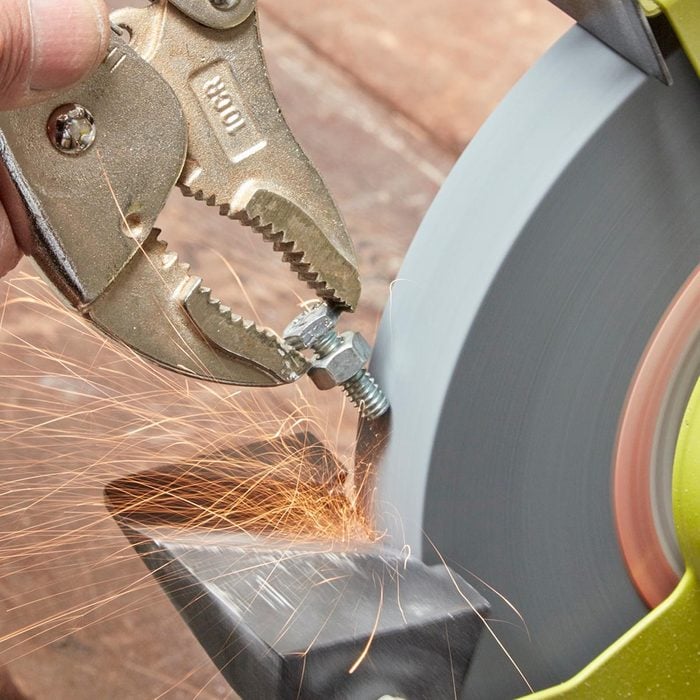
Metal grinders come in different types, each suited for specific tasks. Common types include angle grinders, bench grinders, and die grinders. Angle grinders are versatile and used for cutting, grinding, and polishing. Bench grinders stay fixed and are good for sharpening tools. Die grinders offer precision for small jobs and hard-to-reach spots.
Choosing the right grinder depends on several factors. Consider the power source— electric or battery. The wheel sizeaffects the cutting depth and speed. Also, check the speed settingsfor better control. Weight and handle design impact comfort during use.
| Safety Feature | Why It Matters |
|---|---|
| Guard | Protects from sparks and debris |
| Two-Hand Operation | Prevents accidental slips |
| Automatic Shutoff | Stops the grinder if overloaded |
| Anti-Vibration Handle | Reduces hand fatigue and injuries |

Credit: www.familyhandyman.com
Preparing For Grinding
Gather all toolsbefore starting to grind. This includes a metal grinder, a brush to clean the grinder, and a container for the ground material. Having everything ready saves time.
Choose a well-ventilatedand clean area for grinding. Clear the space of any items that could catch fire or get damaged. A flat surface works best for stability.
- Wear safety gogglesto protect your eyes from sparks.
- Use glovesto keep your hands safe from sharp edges.
- Put on a dust maskto avoid breathing in metal dust.
- Wear long sleevesto protect your arms.
Operating The Metal Grinder
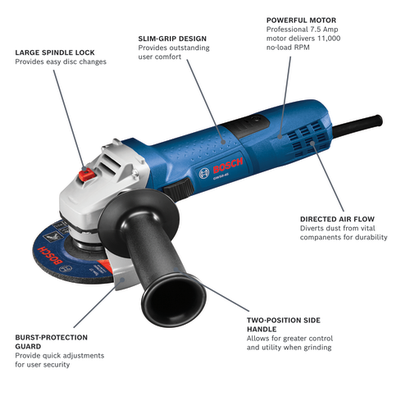
Hold the metal grinder with both handsto keep it steady. One hand grips the main handle, the other supports the body. This helps control the tool safely and prevents slipping.
Press the power button smoothly to start. Avoid sudden jerks. To stop, release the button and wait for the grinder to fully halt before setting it down.
Control speed by adjusting the trigger gently. Use low speedfor delicate work and high speedfor tough metal. Apply even pressure, not too hard. Let the grinder do the work.
Credit: www.boschtools.com
Grinding Techniques For Different Metals
Grinding steelneeds a strong, coarse grinding wheel. Use steady pressure and move the grinder evenly. Avoid staying too long in one spot to stop overheating. Cool the steel often with water to keep its strength.
Grinding aluminumrequires a softer wheel to stop clogging. Use a wheel made for non-ferrous metals. Grind at a slower speed to avoid melting the metal. Clean the wheel often to keep it sharp and smooth.
Grinding stainless steelneeds a special wheel for tough metals. Use a fine grit wheel for a smooth finish. Apply light pressure and move the grinder in a circular motion. Keep the metal cool to avoid damage and color change.
Maintaining Your Metal Grinder
Cleaning the metal grinder after use keeps it working well. Remove dust and small metal pieces with a soft brush. Wipe the outside with a damp cloth. Avoid water inside the grinder to stop rust.
Grinding discs wear out over time. Change them when they become dull or cracked. Using sharp discs makes grinding easier and safer. Keep extra discs ready for quick replacement.
| Inspection Area | What to Check | Action Needed |
|---|---|---|
| Power Cord | Look for cuts or frays | Replace if damaged |
| Grinding Disc | Check for cracks or wear | Replace if worn out |
| Body | Look for loose screws or parts | Tighten or fix |
Regular checks catch problems early. Fix small issues to avoid big repairs. Keep your grinder in top shape for safe use.
Common Mistakes To Avoid
Overheating the metal can cause damage. It makes the metal weak and changes its color. Let the grinder cool down often to avoid this. Use short bursts instead of long grinding sessions.
Using the wrong disc can ruin your work and harm the grinder. Choose discs made for metal. Avoid discs meant for wood or other materials.
Applying too much pressure does not speed up grinding. It can break the disc or hurt the grinder motor. Let the tool do the work. Hold it firmly but gently.
Advanced Tips For Better Results
Using guides and jigshelps keep your metal grinder steady and precise. They allow you to follow a set path and avoid mistakes. This is especially useful for cutting straight lines or curves.
Combining grinding with other toolscan improve your work. For example, use a file after grinding to smooth rough spots. A drill can prepare holes before shaping with the grinder. This teamwork saves time and makes your project cleaner.
For finishing and polishing, start with a fine grit disc or wheel. Move the grinder gently across the metal surface to remove scratches. Use polishing compounds for extra shine. Always wear safety gear during these steps.
Credit: www.familyhandyman.com
Frequently Asked Questions
What Is The Primary Use Of A Metal Grinder?
A metal grinder is used to shape, smooth, and cut metal surfaces. It helps remove excess material and rust efficiently. This tool is essential for metalworking, welding, and fabrication tasks.
How Do You Safely Operate A Metal Grinder?
Always wear protective gear like gloves and goggles. Secure the metal piece firmly and keep a steady hand. Start the grinder at a low speed and increase gradually for better control.
What Types Of Metal Grinders Are Available?
Common types include angle grinders, bench grinders, and die grinders. Each serves different purposes based on size and power. Choose one depending on your specific metalworking needs.
How Do You Maintain A Metal Grinder For Longevity?
Clean the grinder after each use and check for worn parts. Replace damaged discs promptly and lubricate moving parts regularly. Proper maintenance ensures safety and extends the tool’s lifespan.
Conclusion
Using a metal grinder can seem tricky at first. With practice, it becomes easier. Remember to always wear safety gear. Keep your work area clean and organized. Follow all safety guidelines closely. Start with simple projects to build confidence. Gradually, you will improve your skills.
Always maintain your grinder for best performance. Clean and store it properly after use. With patience and care, you can achieve great results. Metal grinding can be a rewarding skill. Enjoy the process and stay safe. Happy grinding!