
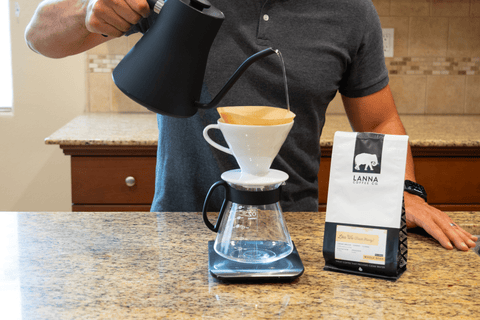
If you want to enjoy a rich, flavorful cup of coffee that you make yourself, learning how to use a pour-over coffee filter is a game changer. It might seem simple, but mastering this method can unlock a whole new level of taste and aroma in your daily brew.
Imagine waking up to the perfect cup, made exactly the way you like it, with just a few easy steps. In this guide, you’ll discover everything you need to know to pour like a pro and elevate your coffee experience every single morning.
Ready to impress yourself with your own barista skills? Let’s dive in!

Credit: food52.com
Choosing The Right Filter
Paper filtersgive a clean, bright taste. They trap oils and fine particles well. Metal filterslet more oils and flavors through, making coffee richer and heavier. Both have their fans.
Choosing the right filter size and shapeis key. Use a filter that fits your pour-over brewer perfectly. Too big or small can cause uneven coffee extraction and mess.
Eco-friendly filters are great for the planet. Reusable metal or cloth filterscut down waste. Compostable paper filters break down faster than regular paper. Pick options that match your values and needs.
Selecting Coffee Beans
Bean roast levelsaffect flavor. Light roasts have bright, fruity notes. Medium roasts are balanced and smooth. Dark roasts taste bold and smoky. Choose a roast that fits your taste.
The grind sizefor pour-over is key. Use a medium-coarse grind. Too fine makes coffee bitter. Too coarse makes it weak. The grind should look like sand.
Freshness matters. Coffee tastes best within two weeks of roasting. Store beans in an airtight container. Keep them away from light, heat, and air. Grind just before brewing for best flavor.
Preparing Your Equipment
Rinse the pour-over coffee filterwith hot water before use. This removes any paper taste and warms the filter. It also helps the coffee flow smoothly.
Warm the brewerby pouring hot water into it. Let the water sit for a minute, then discard it. This keeps the coffee hot longer.
- Place the brewer on a scaleto measure coffee and water accurately.
- Set the scale to zero after adding the filter and brewer.
- Heat water in a gooseneck kettlefor better control while pouring.

Credit: www.brulerieduquai.com
Brewing Steps
Rinse the paper filter with hot water before brewing. This removes paper taste and warms the brewer. Pour out the rinse water carefully.
Blooming the coffee grounds means pouring a little hot water first. This lets the coffee release gas. Wait about 30 seconds before pouring more water.
Pour water in slow, circular motions. Start from the center and move outward. Avoid pouring on the filter itself to stop water from leaking through too fast.
Control the total brew time to get the best taste. Aim for about 3 minutes. Too fast or too slow can change the flavor.
Troubleshooting Common Issues
Weak or sour tasteusually means the coffee is under-extracted. Use a finer grind or pour water more slowly. Check water temperature; it should be between 195°F and 205°F. Too cold water makes coffee taste sour.
Bitter or over-extracted coffeehappens if the coffee grounds are too fine or brewing time is too long. Use a coarser grind or pour water faster. Avoid letting coffee sit too long after brewing.
Uneven extractioncreates inconsistent flavors. Make sure to pour water evenly in a circular motion. Avoid pouring all water in one spot. Stir the coffee bed gently if needed to spread water evenly.

Credit: www.wholelattelove.com
Enhancing Your Pour-over Experience
Finding the perfect coffee-to-waterratio is key. Start with a 1:15 ratio. For example, use 20 grams of coffee with 300 grams of water. Try different ratios for different tastes. A stronger brew needs more coffee. A milder brew uses more water. Write down your favorite ratio.
Water temperature affects flavor. Use water between 195°F and 205°F. Too hot water can burn coffee. Too cold water makes a weak brew. A thermometer helps get the right temperature. Boil water and let it cool for 30 seconds.
Pour patterns change how coffee tastes. Start with a slow circle pour. This wets all coffee grounds evenly. Then, try a zig-zag pour. This mixes the grounds well. Experiment with different patterns to find your favorite.
Frequently Asked Questions
What Type Of Coffee Grind Suits Pour-over Filters?
Medium to medium-coarse grind works best for pour-over filters. It ensures balanced extraction and prevents over-extraction. Fine grinds clog the filter, while coarse grinds result in weak coffee.
How Do I Properly Rinse A Pour-over Coffee Filter?
Rinse the filter with hot water before brewing. This removes paper taste and preheats the brewer. It ensures a cleaner, better-tasting cup of coffee.
What Water Temperature Is Ideal For Pour-over Coffee?
Use water heated between 195°F to 205°F (90°C to 96°C). This temperature range extracts optimal flavors without bitterness or sourness. Avoid boiling water as it can burn the coffee.
How Long Should I Pour Water Over Coffee Grounds?
Pour water slowly in a circular motion for about 2. 5 to 3 minutes. This allows even extraction and a flavorful cup. Avoid pouring too fast or too slow.
Conclusion
Pour-over coffee lets you enjoy fresh, rich flavors at home. It takes a bit of practice but pays off with great taste. Use the right filter and pour slowly for best results. Clean your equipment after each use to keep flavors pure.
Enjoy the process as much as the coffee itself. This simple method brings a nice, smooth cup every time. Give it a try and see how your coffee improves. Simple steps, better coffee.