

Imagine slicing through your tasks with confidence, knowing your hands are safe from unexpected cuts and scrapes. Sounds great, right?
That’s where cut resistant gloves come into play. Whether you’re a professional chef, a DIY enthusiast, or someone who simply enjoys working with sharp tools, these gloves could be your best ally. But why are they so essential, and how can they make your life easier?
Stick around, because we’re about to dive into the compelling reasons why you should consider adding cut resistant gloves to your safety gear. By the end of this article, you’ll discover how these gloves not only protect but also enhance your efficiency and peace of mind. Ready to unlock a safer, more productive way to work? Let’s get started!
Credit: hivissafety.com
Benefits Of Cut Resistant Gloves
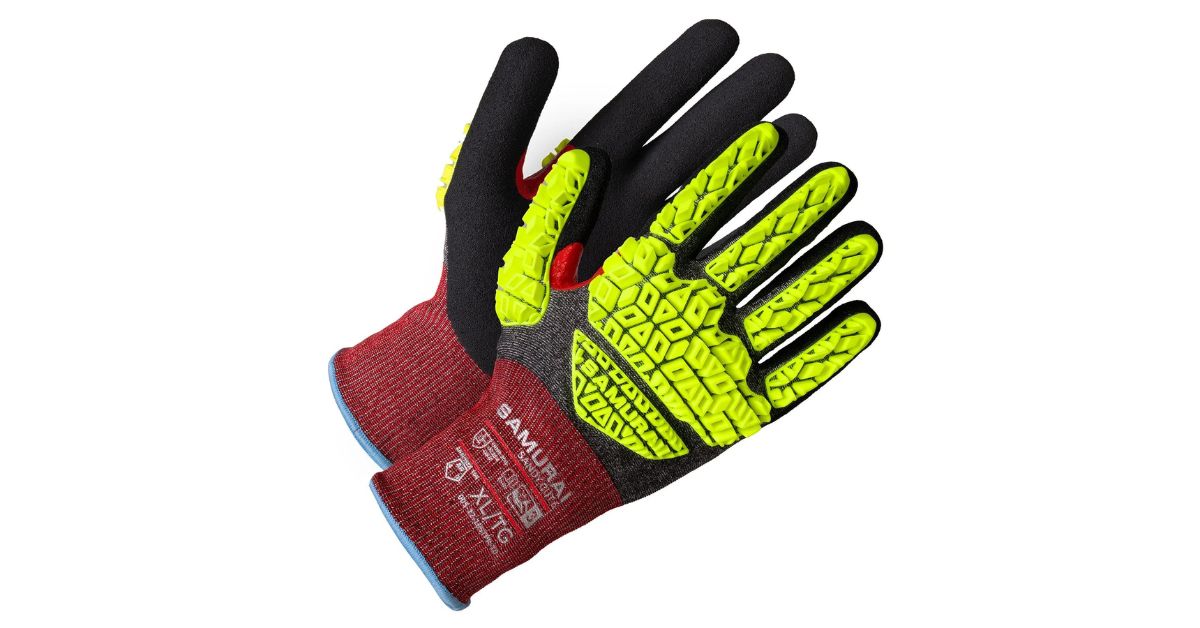
Cut resistant gloveshelp protect hands from sharp tools and objects. They reduce the chance of cuts and injuries during work. This protection is very important for safety in many jobs.
These gloves offer better gripand allow hands to move easily. Wearing them does not make tasks harder. Workers can hold small or slippery items firmly without losing control.
Durable materialsmake these gloves last longer. They save money because you do not need to buy gloves often. Strong gloves also keep hands safe for a long time.
Common Risks Without Gloves
Hands face many risks without cut resistant gloves. Sharp tools and rough materials cause cuts, punctures, and abrasions. These injuries can happen in many jobs like construction, factories, and kitchens.
Common types of hand injuries include:
- Deep cuts from knives or blades
- Puncture wounds from nails or needles
- Abrasions from rough surfaces
- Burns from hot objects
Workplace hazards add to the danger. Machines with sharp edges, broken glass, and metal scraps increase injury risks. Without protection, hands are very vulnerable.
Long-term effects of hand injuries can be serious. Pain, infection, and scarring may last for months. Sometimes, injuries cause loss of movement or strength. This affects work and daily life.
Materials Used In Cut Resistant Gloves
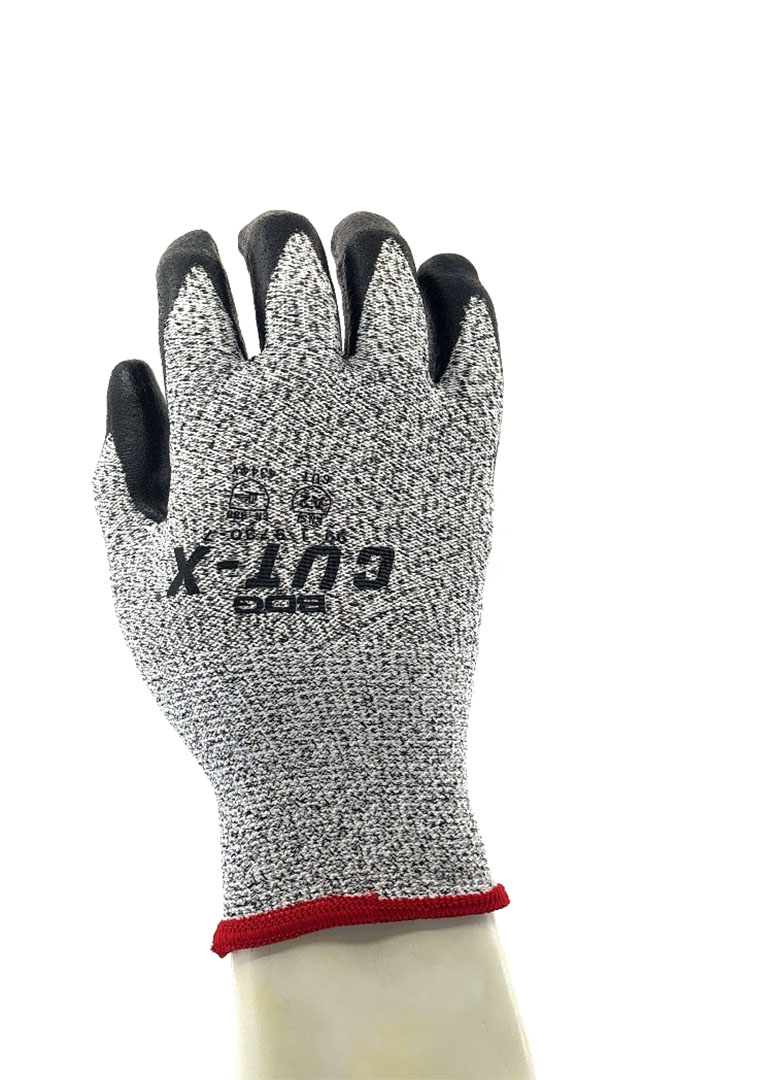
Kevlaris a strong fiber used in many cut resistant gloves. It is lightweight and protects hands well. High-performance fiberslike Dyneema and Spectra also offer great cut resistance. They are tough but flexible, making gloves easy to wear.
Metal mesh glovesare made from small steel rings linked together. They give excellent protection against sharp objects. These gloves are common in food processing and metal work. They are heavier but very durable.
HPPE(High-Performance Polyethylene) is a synthetic fiber. It is strong, cut-resistant, and lightweight. Many gloves mix HPPE with other materials to improve comfort and protection. Other synthetic options include fiberglass and nylon, which add strength and flexibility.
Credit: www.bobdalegloves.com
Choosing The Right Gloves
Choosing the right gloves means focusing on cut resistance, sizing, and the work environment. Gloves come with different cut resistance levels. Higher ratings mean better protection. Select gloves that match your task’s risk.
Sizing matters for both comfortand dexterity. Gloves too tight can hurt your hands. Gloves too loose can slow your work or cause accidents. Choose a size that fits snugly but feels comfortable.
The work environment affects glove choice too. Cold or wet conditions need gloves with waterproofor insulatedfeatures. In dry places, breathable gloves keep your hands cool.
Proper Usage And Maintenance
Slide the gloveson carefully, making sure they fit snugly. Avoid loose gloves; they can catch on tools. Pull the gloves fully over your wrists for better protection. Check for any tears or holes before use. Keep nails trimmed to avoid damage inside the gloves. Use gloves designed for your specific task to stay safe.
Wash gloves after each use to remove dirt and germs. Use mild soap and lukewarm water; harsh detergents can weaken the material. Air dry gloves away from direct heat or sunlight to keep them flexible. Avoid machine drying or ironing as heat can cause damage.
| Signs to Replace Gloves | Reason |
|---|---|
| Visible cuts or tears | Protection is compromised |
| Gloves feel stiff or brittle | Material has degraded |
| Gloves no longer fit properly | Reduced safety and comfort |
| After heavy contamination | Cleaning may not remove all hazards |

Credit: www.esafetysupplies.com
Safety Tips For Enhanced Protection
Cut resistant gloveswork best with other personal protective equipment (PPE). Wearing safety glasses, helmets, and protective clothing adds layers of protection. This combo reduces injury risks in tough jobs.
Safe handling involves using tools and machines carefully. Always keep fingers away from sharp edges. Clean and check gloves often to keep their strength. Replace gloves if torn or worn out.
Training helps workers learn the right ways to use gloves and tools. Teaching about hazards makes people more aware. Regular practice builds good habits and lowers accidents.
Frequently Asked Questions
What Are Cut Resistant Gloves Used For?
Cut resistant gloves protect hands from sharp objects. They prevent injuries in industries like construction, manufacturing, and food handling. These gloves increase safety and reduce accident risks during cutting or handling sharp tools.
How Do Cut Resistant Gloves Improve Workplace Safety?
They minimize hand injuries by providing a strong barrier against cuts. This helps reduce downtime and medical costs. Wearing these gloves ensures compliance with safety regulations and promotes a safer work environment.
What Materials Make Cut Resistant Gloves Effective?
Common materials include Kevlar, Dyneema, and metal mesh. These materials offer high cut resistance while maintaining flexibility. They are chosen based on the required protection level and specific job tasks.
Can Cut Resistant Gloves Protect Against All Cuts?
No, they protect against specific cut levels only. Gloves are rated by standards like ANSI or EN388. Choose gloves with appropriate ratings for your task to ensure optimal protection.
Conclusion
Cut resistant gloves protect your hands from serious injuries. They help you work safely and confidently. Wearing them reduces the risk of cuts and accidents. These gloves suit many jobs and tasks. Choosing the right gloves means better comfort and safety.
Keep your hands safe every day. Safety should always come first. Cut resistant gloves are a smart choice. Protect yourself and stay injury-free. Simple, effective, and necessary for many workers.