
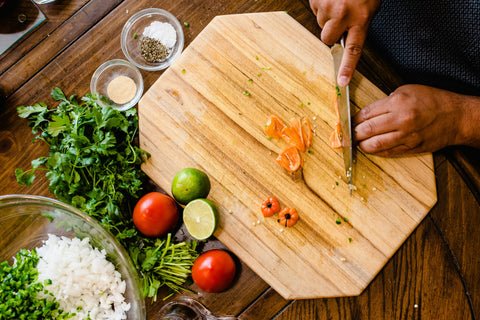
You use your cutting board every day, but are you giving it the care it truly needs? Regularly oiling your cutting board is a simple step that can save you from costly replacements and keep your kitchen safe and clean.
Imagine your board staying smooth, crack-free, and resistant to bacteria—wouldn’t that make your cooking experience better? Keep reading to discover why oiling your cutting board isn’t just a good idea, but a must for anyone who wants to protect their investment and enjoy a healthier kitchen.

Credit: www.woodcuttingboardstore.com
Benefits Of Oil Cutting Boards
Oiling cutting boards helps keep the wood strong and long-lasting. It stops the wood from drying outand cracking. This is important for boards used every day.
Regular oiling also prevents the board from warping. Warping makes the board uneven and harder to use. Oiled boards stay flat and safe for cutting.
Oiling improves food safety. It fills small holes and cracks where bacteriamight hide. This makes the board easier to clean and more hygienic.
- Protects wood from drying and cracking
- Keeps board flat and smooth
- Reduces bacteria build-up
- Makes cleaning easier and safer
Types Of Oils To Use
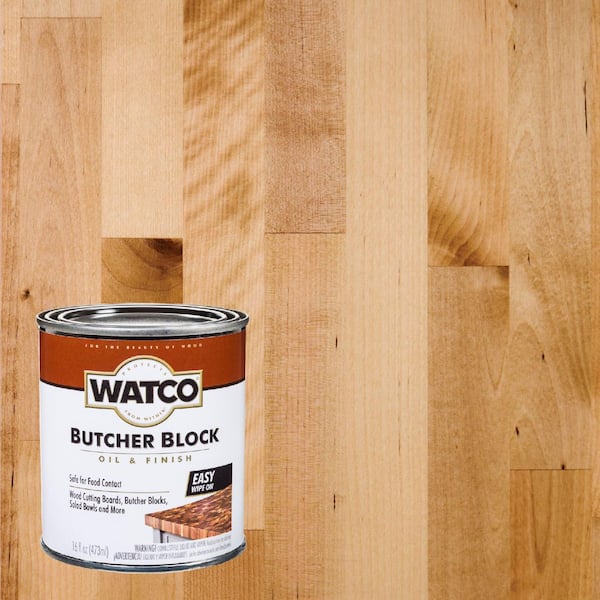
Food-safe mineral oilis the best choice for cutting boards. It soaks into the wood and keeps it from drying out. This oil is clear, odorless, and safe for food contact. It helps protect the board from cracks and stains.
Beeswax blendsare great for sealing and protecting wood. They often mix beeswax with mineral oil to create a thicker finish. This blend adds a nice shine and extra water resistance.
Avoid vegetable oilslike olive or canola oil. These oils can go bad and make the board sticky or smelly. They may also cause the wood to become sticky and attract dirt.
How Often To Oil
Oiling a cutting board keeps it strongand safe. Boards dry out and can crack. This lets bacteriahide inside. Watch for dry spots, dull color, or water that soaks in fast. These signs mean it needs oil.
Oiling helps wood stay smoothand water-resistant. It stops food smells and stains. Use a food-safe oillike mineral oil.
| Board Type | Oiling Frequency |
|---|---|
| Wooden cutting board | Once a month or when dry |
| Bamboo cutting board | Every 2-3 months |
| New board | More often first 2-3 weeks |
Credit: www.homedepot.com
Step-by-step Oiling Process
Start by cleaning the board with warm water and mild soap. Use a soft sponge to remove dirt. Rinse well and dry completely with a towel. Let it air dry to avoid moisture inside the wood.
Pour a small amount of food-safe oil on the board’s surface. Use a clean cloth to spread the oil evenly. Cover all sides, including edges and ends. Use circular motions for better coverage.
Allow the oil to soak into the wood for several hours or overnight. This helps protect the board from cracking and drying out. Wipe off any extra oil before using the board again.
Common Mistakes To Avoid
Neglecting to oil cutting boards leads to cracks and warping over time. Skipping regular care allows bacteria to grow in dry wood. Proper oiling keeps boards strong, smooth, and safe for food preparation.
Over-oiling The Board
Applying too much oil can cause the board to become sticky. This traps dirt and bacteria. Use a small amount of food-safe oil for best results. Let the oil soak in before applying more.
Using Non-food-safe Products
Some oils and finishes are not safe for food contact. Avoid using products like mineral oil that are not labeled food-safe. These can be harmful and damage the board.
Skipping Regular Maintenance
Oiling once and forgetting it can dry out the wood. Regular care keeps the board strong and water-resistant. Clean and oil your board every few weeks for long life.
Additional Tips For Board Care
Cleaning oil cutting boardsgently with warm, soapy water helps remove food bits. Avoid soaking boards in water to prevent warping. Use a soft sponge or cloth to clean. Rinse well and dry immediately to stop bacteria growth.
Store boards in a dry place. Keep them upright to allow air circulation. Avoid stacking wet boards together. This stops mold and bad smells.
| When to Replace Your Board |
|---|
|

Credit: www.reddit.com
Frequently Asked Questions
Why Should I Oil Cutting Boards Regularly?
Oiling cutting boards prevents wood from drying and cracking. It maintains moisture, keeping the board durable and safe for food preparation. Regular oiling also creates a protective barrier against stains and bacteria.
How Often Do Cutting Boards Need Oiling?
Cutting boards should be oiled once a month or when they look dry. Frequent use may require more frequent oiling to maintain wood quality and hygiene.
What Type Of Oil Is Best For Cutting Boards?
Food-grade mineral oil is best for cutting boards. It’s safe, odorless, and prevents wood from absorbing moisture and odors. Avoid vegetable or cooking oils that can become rancid.
Can I Use Cooking Oil To Oil Cutting Boards?
No, cooking oils like olive or vegetable oil can go rancid. They cause unpleasant smells and sticky surfaces. Use only food-grade mineral oil or specially made cutting board oils.
Conclusion
Oiling cutting boards keeps them in good shape. Wood lasts longer with care. Regular oiling prevents cracks and stains. It also maintains a smooth surface. Your kitchen tools will thank you. They will look and work better. Plus, it’s easy and quick to do.
A few minutes make a big difference. Your food prep stays safe and clean. So, grab that bottle of oil. Keep your cutting boards happy and healthy. Regular care pays off. Your cooking experience will improve. Enjoy the benefits of well-maintained boards.