
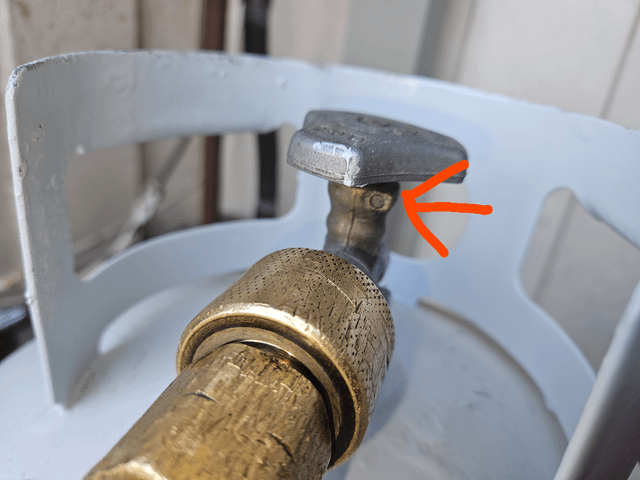
Are you worried because your propane tank seems to be leaking? You’re not alone, and understanding why this happens is crucial for your safety and peace of mind.
A leaking propane tank can pose serious risks, from property damage to health hazards, and it’s vital to address the issue promptly. We’ll explore the common reasons behind a propane tank leak and provide you with practical solutions to tackle this problem.
Stay with us as we uncover the steps you need to take to ensure your tank is safe and secure, and keep your home and family protected.
Common Causes Of Propane Leaks
Damaged valves and connectionscan cause propane leaks. These parts wear out or get loose over time. Leaks may happen where the valve meets the tank or hose.
Corroded or worn out hoseslose their strength. Rust or cracks make propane escape. Check hoses regularly for any damage or softness.
Improper installationis another reason. If the tank or parts are not fitted correctly, leaks can form. Always use a trained expert for installation.
Faulty regulatorscontrol propane flow. A broken regulator may let gas leak. Regular inspection helps catch problems early.
Physical impact or external damagecan harm the tank or hoses. Dropping or hitting the tank may cause cracks or holes, leading to leaks.

Credit: www.reddit.com
Signs Of A Leaking Propane Tank
The smell of rotten eggsis a clear sign of a propane leak. This smell comes from an added safety odorant.
Hissing or whistling soundsnear the tank show gas escaping under pressure. Listen carefully around valves and connections.
Visible frost or iceon the tank surface can mean a leak. The escaping gas cools down the metal.
Dead vegetationnear the tank may indicate gas harming plants. Healthy plants usually grow around propane tanks.
An unexpected drop in fuel levelscan mean gas is leaking. Check tank levels often to spot sudden losses.
Health And Safety Risks
Propane leakspose serious dangers to health and safety. Fire risksare very high because propane is highly flammable. Even a small spark can cause a fire or explosion. It is important to act quickly.
Breathing in propane gas can cause headaches, dizziness, and nausea. Inhaling too much can lead to loss of consciousness. People with lung problems are at greater risk.
Leaking propane harms the environment too. It can damage plants and animals. The gas also contributes to air pollution.
Carbon monoxide poisoning is another risk. A propane leak can cause carbon monoxide buildup. This gas is colorless and odorlessbut very dangerous. Symptoms include confusion, weakness, and chest pain. It can be fatal without fresh air.

Credit: www.reddit.com
Immediate Actions To Take
Shut off the gas supplyimmediately to stop the leak. Locate the valve on the propane tank and turn it clockwise until tight. This action reduces the risk of fire or explosion.
Evacuate the areaquickly. Move everyone to a safe distance away from the tank. Keep children and pets far from the leak to avoid harm.
Avoid ignition sources. Do not smoke or use open flames near the tank. Turn off electrical devices that could spark, such as lights or phones.
Contact emergency servicesright away. Call the fire department or propane supplier to report the leak. Stay clear and wait for professional help to arrive.
Preventing Propane Leaks
A propane tank may leak due to damaged valves, loose connections, or rust. Regular checks and proper maintenance help keep leaks away. Detecting leaks early prevents accidents and saves money.
Regular Tank Inspections
Check the propane tank often for rust, dents, or cracks. Look for signs of leaks like a strong gas smell or hissing sounds. Use a soapy water solution to test connections; bubbles mean leaks. Early detection stops big problems.
Proper Maintenance And Repairs
Keep valves and hoses clean and tight. Replace worn or damaged parts quickly. Use only trained professionals for repairs. Proper care extends tank life and keeps it safe.
Safe Installation Practices
Install tanks away from heat sources and open flames. Ensure good ventilation around the tank. Follow local rules and codes strictly. Correct placement prevents accidents and leaks.
Using Certified Equipment
Choose tanks and accessories approved by safety groups. Certified gear meets high safety standards. Avoid cheap or untested products that might fail.
Storing Tanks Correctly
Store tanks upright on flat surfaces. Keep them outside, away from buildings. Avoid storing near electrical equipment or sparks. Proper storage lowers leak risks and keeps people safe.

Credit: www.reddit.com
Repair And Replacement Options
Leaks in propane tanks require quick action to ensure safety. Small leaks can often be repaired by replacing damaged parts, while severe damage may need a full tank replacement. Always consult a professional to assess the best repair or replacement option.
When To Repair Vs. Replace
Small leaksor damaged parts often need repair. Large holes or rust mean it’s best to replacethe tank. Safety is key. Don’t ignore serious damage. A new tank can be safer and last longer.
Hiring Licensed Professionals
Always hire licensed professionalsfor repairs or replacements. They have the right tools and skills. This ensures the job is safe and done right. Avoid DIY fixes. It can be dangerous and cause bigger problems.
Cost Considerations
| Option | Average Cost | Notes |
|---|---|---|
| Repair | $100 – $300 | Cheaper but may be temporary |
| Replacement | $500 – $1500 | Higher cost but longer lasting |
Warranty And Service Plans
- Check if your tank has a warranty.
- Service plans can cover repairs or replacements.
- They save money on future problems.
- Always read the terms carefully.
Frequently Asked Questions
Why Does My Propane Tank Leak Gas?
Propane tanks leak gas due to damaged valves, loose connections, or corrosion. Regularly inspect and maintain your tank to prevent leaks and ensure safety.
How Can I Detect A Propane Tank Leak?
You can detect leaks by smelling gas, hearing hissing sounds, or using soapy water on connections to spot bubbles. Immediate action is critical if you suspect a leak.
Is A Leaking Propane Tank Dangerous?
Yes, leaking propane tanks are highly flammable and pose explosion risks. Always turn off the tank and contact professionals for repairs if you detect a leak.
What Should I Do If My Propane Tank Leaks?
If you detect a leak, turn off the tank valve immediately, avoid flames, ventilate the area, and call a licensed technician for repair.
Conclusion
A leaking propane tank is a serious safety risk. Check your tank regularly for signs of damage or wear. Always turn off the valve when not in use. Never ignore the smell of gas or hissing sounds. Call a professional for repairs or replacement if needed.
Keeping your propane tank safe protects your home and family. Stay alert and act quickly to prevent accidents. Safety should always come first with propane tanks.