
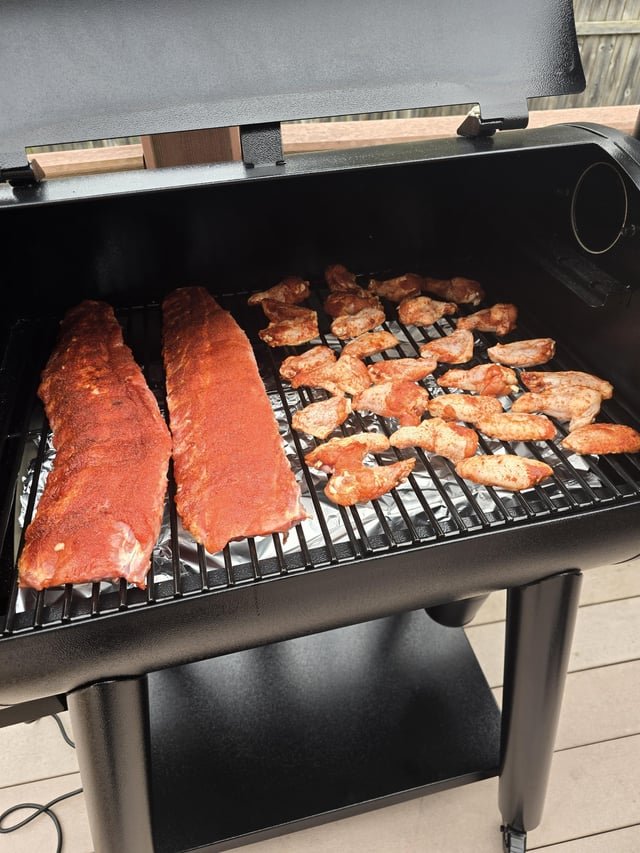
Are you frustrated because your pellet grill isn’t producing the smoky flavor you expected? You’ve set it up, loaded the pellets, and waited patiently—but the smoke just won’t come.
This problem can ruin your barbecue experience and leave your food tasting bland. Don’t worry, you’re not alone. Many pellet grill owners face this issue, and the good news is that it’s usually fixable. Keep reading to discover the common reasons why your pellet grill isn’t smoking and how you can get that perfect smoky taste back on your grill.

Credit: www.smokedbbqsource.com
Common Causes Of No Smoke
Pellet grills rely on wood pellets to create smoke and flavor food. Sometimes, your grill may stop producing smoke. This can affect the taste and cooking process.
Understanding why your pellet grill is not smoking helps you fix the problem quickly. Here are the common causes to check.
Pellet Quality Issues
Low-quality or damp pellets often cause no smoke. Poor pellets do not burn well and produce little smoke. Using dry, high-quality pellets is important for good smoke output.
- Check if pellets are wet or crumbly.
- Use pellets made for pellet grills only.
- Avoid pellets with added fillers or chemicals.
- Store pellets in a dry, sealed container.
Pellet Feed Problems
Pellets must feed correctly into the firepot for smoke. If pellets get stuck or jammed, smoke will stop. Common issues include pellet hopper jams and auger blockages.
| Problem | Cause | Solution |
| Pellets not feeding | Auger jam or broken parts | Clear jam and check auger motor |
| Pellet hopper empty | No pellets in hopper | Refill hopper with fresh pellets |
| Pellets stuck | Moisture clumps pellets | Dry pellets or replace with new ones |
Temperature Settings
Incorrect temperature settings can stop smoke production. Too low a temperature may not ignite pellets well. Too high a temperature might burn pellets too fast without smoke.
- Set the grill to a medium temperature for smoke.
- Allow the grill to preheat fully before cooking.
- Adjust temperature gradually to find the right smoke level.
Ventilation Blockages
Good airflow is key to smoke production. Blocked vents stop oxygen from reaching the firepot. This makes pellets smolder without smoke or stop burning.
Clean air intakes and exhaust vents regularly. Remove ash or debris that may block airflow.
Electrical Malfunctions
Pellet grills use electrical parts to feed pellets and control heat. If these parts fail, smoke production stops. Check power supply, wiring, and control boards.
- Ensure the grill is plugged in properly.
- Inspect the auger motor for signs of damage.
- Test the control panel for error codes.
- Replace faulty electrical parts as needed.
Credit: www.youtube.com
Checking Pellet Quality
Pellet grills rely on good quality pellets to produce smoke. Poor pellets cause low or no smoke.
Checking pellet quality helps you fix smoking problems. Focus on dryness, grade, and storage.
Importance Of Dry Pellets
Dry pellets burn better and create more smoke. Wet pellets can clog your grill and reduce smoke output.
- Check pellets for dampness or mold
- Store pellets in a dry place to keep them dry
- Use dry pellets to keep your grill working well
Avoiding Low-grade Pellets
Low-grade pellets have fillers and binders. These reduce smoke and can harm your grill.
| Pellet Type | Smoke Quality | Grill Safety |
|---|---|---|
| Premium Hardwood | High Smoke | Safe |
| Low-Grade Mix | Low Smoke | Risk of Damage |
| Pellets with Fillers | Poor Smoke | Not Recommended |
Storage Tips
Proper storage keeps pellets fresh and ready to use. Avoid moisture and air exposure.
- Store pellets in airtight containers
- Keep containers in a cool, dry place
- Do not leave pellets outside in rain or humidity
Fixing Pellet Feed Issues
If your pellet grill is not smoking, pellet feed problems might be the cause. Pellets must move smoothly to create smoke.
Fixing feed issues helps your grill work better and keeps your food tasty. Check these parts closely.
Clearing Pellet Hopper Jams
Pellet hopper jams stop pellets from reaching the fire pot. Dirt or broken pellets can block the hopper.
Open the hopper and remove any stuck pellets or debris. Clean the inside to prevent future jams.
- Turn off and unplug the grill before cleaning
- Use a scoop or brush to remove pellet dust and chunks
- Check for moisture that can cause pellets to clump
- Only use dry pellets to avoid jams
Auger Functionality
The auger moves pellets from the hopper to the fire pot. If it stops, pellets cannot feed and smoke will stop.
Listen for auger sounds. If it is silent or noisy, it may be stuck or broken. Check for blockages or motor issues.
- Turn off the grill before inspecting the auger
- Remove pellet buildup around the auger shaft
- Check the auger motor for signs of damage
- Call a technician if the motor does not run after cleaning
Proper Pellet Loading
Loading pellets correctly keeps the feed steady. Overfilling or underfilling causes problems.
Fill the hopper with clean, dry pellets. Do not pack pellets tightly. Leave space for air to flow.
- Use only pellets made for your grill type
- Fill hopper to the recommended level by the manufacturer
- Store pellets in a dry place to avoid moisture
- Check hopper regularly during long cooks

Credit: www.reddit.com
Adjusting Temperature For Smoke
Pellet grills need the right temperature to produce smoke. Too hot or too cold can stop smoke from forming. Adjusting temperature helps get the smoke flavor you want.
Understanding how temperature affects smoke will improve your grilling results. This guide covers key points about temperature settings.
Optimal Smoking Temperatures
Pellet grills smoke best at low to medium heat. The ideal range is usually between 180°F and 225°F. This range allows wood pellets to burn slowly and create smoke.
- Below 180°F, pellets may not burn well, causing little smoke.
- Above 225°F, smoke production drops as pellets burn faster.
- Maintain steady temperature for consistent smoke and flavor.
Using Smoke Mode Settings
Many pellet grills have a smoke mode setting. It keeps the grill at low heat to produce maximum smoke. Use this mode to add smoky flavor before cooking at higher heat.
| Smoke Mode | Temperature Range | Purpose |
| On | 160°F – 180°F | Maximize smoke for flavor |
| Off | 180°F – 225°F | Cook food with smoke |
| High Heat | Above 225°F | Less smoke, faster cooking |
Avoiding High Heat
High heat burns pellets quickly and reduces smoke. Avoid cooking above 250°F if you want smoke. High temperatures also dry out wood pellets.
- Keep temperature below 225°F for steady smoke.
- Use high heat only to finish cooking, not for smoking.
- Check grill settings to prevent overheating.
Ensuring Proper Ventilation
Your pellet grill needs good airflow to produce smoke. Without proper ventilation, it will not burn pellets correctly. This causes the grill to stop smoking and affects the taste of your food.
Checking and maintaining proper ventilation parts helps your grill work well. It also keeps the fire hot and consistent. Let’s look at important areas to check for good airflow.
Cleaning Air Vents
Air vents let oxygen into the grill. They help the fire burn pellets fully and create smoke. Dirt, ash, or grease can block these vents.
Clean the air vents regularly to keep air flowing. Use a brush or compressed air to clear any debris. This helps the grill get enough oxygen for smoke.
- Remove visible debris from vents
- Use a small brush to clean inside vents
- Blow compressed air if possible
- Check vents before each use
Checking Fire Pot
The fire pot holds the burning pellets. It needs space for air to flow around the pellets. If ash builds up inside, it blocks air and stops smoke.
Empty and clean the fire pot after each cook. Remove ash and unburned pellets. This lets the fire burn hot and smoke well every time.
- Remove ash from fire pot regularly
- Clear pellet clogs inside the pot
- Inspect for damage or blockages
- Use a vacuum designed for grills if needed
Maintaining Airflow
Good airflow moves oxygen to the fire and smoke out the grill. Keep vents and chimney open during cooking. Avoid covering vents with foil or other objects.
Monitor airflow to prevent your grill from smothering the fire. Adjust vents if smoke is weak or fire is low. Proper airflow keeps your grill smoking and cooking well.
- Keep intake and exhaust vents clear
- Do not block vents with tools or accessories
- Open vents fully for best smoke
- Check airflow if smoke stops or fire dims
Inspecting Electrical Components
When your pellet grill is not smoking, electrical parts may be the cause. Checking these parts can find the problem fast.
Electrical issues stop the grill from lighting and creating smoke. Look closely at power, controls, and the igniter.
Power Supply Checks
Make sure the grill is plugged in correctly. A loose or damaged power cord can stop it from working.
Check the outlet by plugging in another device. If it does not work, the outlet may be the problem.
- Inspect the power cord for cuts or damage
- Test the wall outlet for electricity
- Use a different outlet to see if it powers the grill
Controller Function Tests
The controller controls the grill’s temperature and smoke. A faulty controller stops the grill from working properly.
Turn the grill on and watch if the controller screen lights up. If not, the controller may need repair or replacement.
- Check if the controller powers on
- Listen for sounds when adjusting temperature
- Reset the controller by unplugging and plugging back in
Igniter Performance
The igniter lights the pellets to create smoke. If it does not glow red, the grill won’t smoke.
Check the igniter for damage or dirt. Clean it gently and test if it heats up when the grill starts.
- Look for cracks or breaks in the igniter
- Clean the igniter with a soft brush
- Check if the igniter gets hot and red glowing
Routine Maintenance Tips
Keeping your pellet grill smoking well needs regular care. Routine maintenance prevents common problems.
This guide covers cleaning, replacing parts, and watching pellet use. Follow these tips to keep smoke flowing.
Regular Cleaning Schedule
Clean your pellet grill often to avoid smoke blockages. Ash and grease buildup can stop smoke from appearing.
- Empty the ashtray after each use
- Scrape grease from the drip tray weekly
- Wipe down the firepot to remove debris
- Clean the grill grates with a brush
- Check the smoke stack for blockages
Replacing Worn Parts
Worn parts reduce your grill’s smoke output. Look for signs of wear and replace parts as needed.
| Part | Signs to Replace | Effect on Smoking |
| Firepot | Rust, cracks, heavy ash | Stops pellet ignition and smoke |
| Auger Motor | Grinding noise, no pellet feed | Stops pellets from feeding |
| Temperature Probe | Inaccurate readings | Leads to wrong cooking temp |
Monitoring Pellet Usage
Watch how you use pellets to keep smoke steady. Low or bad pellets affect smoke and heat.
Tips for pellets:
- Store pellets in a dry place to avoid moisture.
- Use high-quality hardwood pellets for better smoke.
- Refill the hopper before it gets empty during cooking.
- Check for pellet dust or broken pieces that can block the auger.
Frequently Asked Questions
Why Isn’t My Pellet Grill Producing Smoke?
If your pellet grill isn’t smoking, it could be due to low-quality pellets or moisture in them. Check for proper airflow and ensure the grill temperature is set correctly. Regular cleaning of the fire pot and auger can also help maintain optimal smoking performance.
How Do I Fix My Pellet Grill Smoke Issue?
To fix smoke issues, start by using high-quality, dry pellets. Ensure the grill is clean and properly ventilated. Adjust the temperature settings and check for any obstructions in the auger or fire pot. Regular maintenance helps in preventing smoke-related problems.
Why Does My Pellet Grill Have Low Smoke Flavor?
Low smoke flavor can result from using low-quality pellets. Ensure the grill temperature is set to the smoke setting. Consider adding a smoke tube for enhanced flavor. Cleaning the grill regularly and checking for airflow issues can also improve smoke production.
Can Weather Affect My Pellet Grill’s Smoking?
Yes, weather conditions like humidity or rain can affect smoking. Moisture can cause pellets to swell, reducing smoke production. Ensure your grill is covered or placed in a sheltered area. Using a grill blanket can also help maintain consistent temperatures and smoke output.
Conclusion
Troubles with your pellet grill not smoking can be fixed. Check the pellets first; damp or poor quality stops smoke. Clean the fire pot and make sure the fan works well. Keep an eye on the temperature settings; they affect smoke output.
Regular maintenance keeps your grill working smoothly. With these simple steps, you can enjoy great smoky flavors again. Don’t give up on your pellet grill—it just needs some care. Smoke on and enjoy your cooking!