
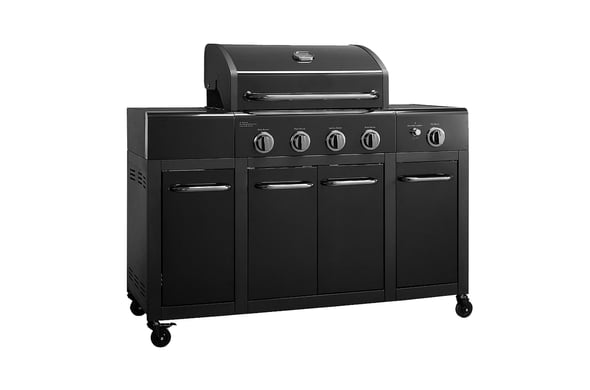
Is your gas grill refusing to heat up just when you need it most? You’re not alone, and it’s incredibly frustrating.
Whether you’re prepping for a weekend cookout or a quick dinner, a grill that won’t heat can ruin your plans. But don’t worry—understanding why your gas grill isn’t heating is the first step to fixing it fast. Keep reading, and you’ll discover simple reasons behind the problem and easy solutions that get your grill back to perfect cooking temperature in no time.
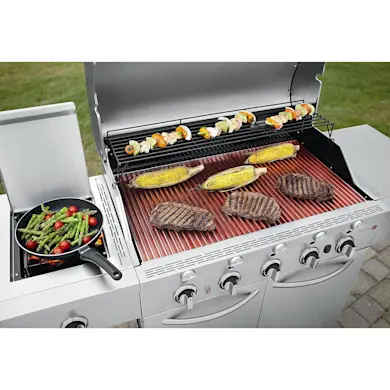
Credit: www.searspartsdirect.com
Common Causes Of Heating Issues
If your gas grill is not heating properly, several parts could be the cause. Identifying the problem helps you fix it quickly.
Understanding common heating issues can save time and money. Let’s look at what might stop your grill from heating.
Ignition Problems
The grill may not light if the ignition system fails. A weak spark or no spark stops the gas from igniting.
Check the battery in the igniter or the wiring for damage. Dirt or rust can also block the spark.
Gas Supply Issues
Your grill needs a steady gas flow to heat up. Low gas levels or closed valves can cause no heat.
Make sure the gas tank is full and the valve is open. Check hoses for leaks or kinks that block gas flow.
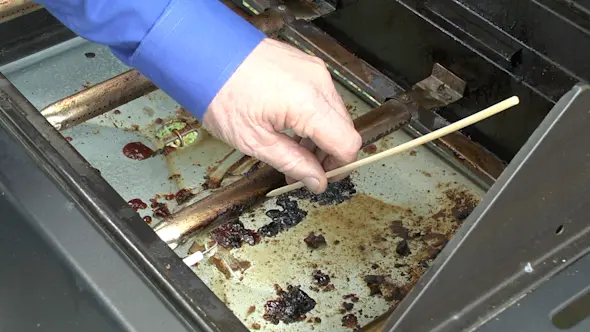
Clogged Burners
Burners can get clogged with food debris or grease. This blocks gas flow and lowers heat output.
Clean the burners regularly using a brush or a pipe cleaner. Remove any visible dirt or rust.
- Turn off the gas before cleaning
- Remove burner covers carefully
- Use a soft brush for cleaning holes
- Check for cracks or damage
Faulty Regulator
The regulator controls the gas pressure to the grill. A faulty regulator can reduce gas flow and heat.
If the grill heats unevenly or not at all, the regulator might be stuck or broken. Replacing it often fixes the issue.
Thermocouple Malfunctions
The thermocouple senses the flame and keeps gas flowing. If it fails, gas supply shuts off for safety.
A dirty or damaged thermocouple stops the grill from heating. Cleaning or replacing it can restore heat.
Credit: www.searspartsdirect.com
Checking The Gas Supply
If your gas grill is not heating, the gas supply might be the issue. Checking the gas supply helps find the problem quickly.
Look at the gas tank, gas lines, and regulator. These parts must work well for the grill to heat properly.
Inspecting The Gas Tank
Make sure the gas tank has enough fuel. A nearly empty tank will not provide enough gas to heat the grill.
Check if the tank valve is fully open. A closed or partly open valve stops the gas flow.
- Look at the fuel gauge if your tank has one.
- Shake the tank gently to hear the fuel inside.
- Open the valve slowly to avoid gas leaks.
Examining Gas Lines
Inspect gas lines for cracks, holes, or kinks. Damaged lines can block gas flow or cause leaks.
Make sure gas lines are connected tightly. Loose connections stop gas from reaching the grill burners.
- Look along the entire gas line for damage.
- Check connections at both ends of the line.
- Replace gas lines if you find cracks or holes.
Testing The Regulator
The regulator controls gas pressure going to the grill. A faulty regulator can reduce or stop gas flow.
Test the regulator by disconnecting it from the tank and then reconnecting. This resets its function.
- Turn off the gas and disconnect the regulator.
- Wait a few minutes, then reconnect it firmly.
- Open the valve slowly and listen for gas flow.
Cleaning And Maintenance Tips
Keeping your gas grill clean helps it heat evenly and last longer. Dirt and grease can block burners and affect performance.
Regular care prevents problems and keeps cooking safe and easy. Follow simple steps to clean and maintain your grill.
Cleaning Burners And Ports
Burners and ports can get clogged with grease and food particles. This stops gas flow and causes uneven heating.
- Turn off the grill and cool it completely before cleaning.
- Remove the burner tubes carefully from the grill.
- Use a soft brush or pipe cleaner to clear out clogged ports.
- Wipe the burners with a damp cloth to remove grease.
- Check for rust or damage and replace burners if needed.
- Reinstall the burners securely before use.
Removing Debris And Blockages
Debris like leaves, spider webs, and food scraps block gas flow and heat. Clean these areas often for safety.
| Area | Cleaning Method |
| Grill Grates | Brush with grill brush after each use |
| Grease Tray | Empty and clean weekly |
| Venturi Tubes | Use compressed air or brush to clear blockages |
| Drip Pan | Remove grease and food bits regularly |
Regular Grill Care
Good grill care keeps your equipment working well. Check parts often and clean after each use.
Follow this checklist to maintain your grill:
- Inspect hoses and connections monthly for leaks.
- Clean the grill lid and body to prevent rust.
- Cover the grill when not in use to protect it from weather.
- Store propane tanks safely and away from heat.
- Schedule deep cleaning at least twice a year.
Troubleshooting The Ignition System
If your gas grill is not heating, the ignition system might be the cause. It helps start the flame by creating a spark or using a manual method.
Checking this system can fix many common problems. Below are ways to inspect and fix ignition issues.
Spark Igniter Checks
The spark igniter creates the spark to light the gas. Check if it is working correctly by following these steps:
- Look for visible sparks when you press the igniter button.
- Clean the igniter tip to remove dirt and grease.
- Check for loose or broken wires connected to the igniter.
- Make sure the igniter is not wet or corroded.
Replacing Batteries
Some gas grills use batteries for the igniter. Dead batteries can stop the grill from heating. Replace them as follows:
| Battery Type | Replacement Tips |
| AA or AAA | Use fresh alkaline batteries. Avoid rechargeable ones. |
| 9-Volt | Check the battery compartment for corrosion. Clean before inserting new battery. |
| Button Cell | Handle with care and insert correctly to maintain contact. |
Manual Ignition Options
If the igniter fails, you can light the grill manually. This is a safe backup method.
Follow these safety tips for manual ignition:
- Turn the gas knob to a low setting before lighting.
- Use a long match or a grill lighter to reach the burner.
- Keep your hand and face away from the burner.
- Light the match or lighter first, then turn the gas on.
Replacing Faulty Parts
If your gas grill is not heating properly, some parts may be faulty. Replacing these parts can fix the problem. It helps the grill work safely and efficiently.
Knowing when to replace parts like burners, the regulator, or thermocouple is important. This saves time and keeps your grill ready to use.
When To Replace Burners
Burners heat the grill by burning gas. If they are clogged or rusted, they will not work well. You may see uneven flames or no flames at all.
Replace burners if they have holes, cracks, or heavy rust. Also, if cleaning does not fix flame issues, new burners will help.
- Flames are weak or uneven
- Burners have rust or holes
- Cleaning does not improve flame
Switching Out The Regulator
The regulator controls gas flow to the burners. If it is faulty, the grill may not heat or gas flow can be unsafe. Signs include low heat or gas leaks.
Replace the regulator if you smell gas near the grill or if heat is weak despite full gas tanks. Always check for damage or wear on the regulator.
- Weak or no heat from grill
- Smell of gas near the grill
- Visible damage or cracks on regulator
Thermocouple Replacement
The thermocouple senses the flame and keeps gas flowing safely. If it fails, the grill may not stay lit. This part is small but very important.
Replace the thermocouple if the grill lights but then shuts off quickly. This stops gas from flowing and keeps you safe from leaks.
- Grill lights but goes out fast
- Thermocouple shows signs of wear
- Gas flow stops unexpectedly
Credit: www.grillersspot.com
Safety Precautions
Gas grills need careful handling to keep you safe. Following safety rules helps avoid accidents.
Check your grill and gas connections before use. Proper care prevents hazards and keeps heat steady.
Handling Gas Safely
Use gas tanks that meet safety standards. Always check for leaks before lighting the grill.
- Turn off gas supply after cooking
- Keep gas tanks upright and secure
- Do not store gas tanks indoors or near heat
- Use soapy water to test for leaks on connections
Avoiding Fire Hazards
Keep your grill clean to stop grease fires. Remove fat build-up under the grates often.
| Fire Hazard | Prevention Tips |
| Grease Buildup | Clean grill after each use |
| Flammable Materials Nearby | Keep grill away from plants and furniture |
| Gas Leaks | Check hoses and connections regularly |
| Open Flames | Never leave grill unattended while on |
Proper Ventilation
Use your gas grill outdoors in open spaces only. Good airflow keeps gas fumes from building up.
Ventilation Tips:
- Place grill at least 10 feet from your home
- Never use gas grills inside garages or enclosed patios
- Avoid using grills under low-hanging branches or awnings
When To Call A Professional
If your gas grill is not heating properly, some problems need expert help. Trying to fix certain issues alone can be unsafe or cause more damage.
Knowing when to call a professional saves time and keeps you safe. Below are key situations where professional service is important.
Complex Repairs
Some grill problems require special tools and skills. Complex repairs include fixing the gas valve, burner tubes, or ignition system.
Trying to fix these parts without experience can cause leaks or fire hazards. A professional can diagnose and fix these safely and correctly.
Gas Leak Detection
Gas leaks are dangerous and need immediate attention. If you smell gas or hear a hissing sound, do not try to find the leak yourself.
- Turn off the gas supply immediately.
- Do not light any flames or operate electrical switches.
- Call a professional to inspect and repair the leak.
- Ensure the area is well ventilated while waiting for help.
Warranty Considerations
Many gas grills come with a warranty that covers certain repairs. Attempting repairs yourself can void this warranty.
| Warranty Aspect | Professional Repair Benefit |
|---|---|
| Authorized Service | Protects warranty validity |
| Proper Parts | Ensures correct replacement |
| Expert Inspection | Identifies hidden issues |
| Safety Assurance | Reduces risk of accidents |
Frequently Asked Questions
Why Is My Gas Grill Not Producing Heat?
Your gas grill may not heat due to empty propane, clogged burners, or faulty ignition. Check gas supply, clean burners, and ensure the igniter sparks properly.
How Can I Fix A Gas Grill That Won’t Light?
Check propane tank levels and connections. Clean burner tubes for blockages. Replace faulty igniters or use a manual lighter if needed.
What Causes Uneven Heating On A Gas Grill?
Uneven heating often results from clogged burners, grease buildup, or incorrect flame adjustment. Clean burners and adjust valves for consistent heat distribution.
Why Does My Gas Grill Flame Go Out Frequently?
Flame outages are usually caused by wind, low gas pressure, or dirty burners. Protect grill from wind, ensure gas supply, and clean burners regularly.
Conclusion
A gas grill not heating can be frustrating to fix. Check the propane tank first. Make sure the burner tubes are clean and clear. Inspect the regulator and hoses for damage or leaks. Sometimes, simple steps bring the heat back fast.
Regular maintenance helps avoid these problems later. Keep your grill ready for every cookout. Don’t let small issues ruin your grilling fun. With patience, you can solve most heating problems. Enjoy tasty meals with a warm, working grill again.