
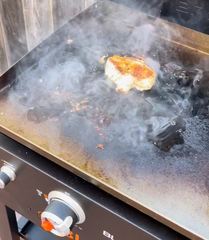
Have you ever fired up your gas grill only to be overwhelmed by thick, billowing smoke? It’s frustrating when you’re ready to enjoy a great meal, but your grill seems to be working against you.
You might wonder, “Why does my gas grill smoke so much? ” The good news is, you’re not alone—and this problem usually has simple causes you can fix. Keep reading, because understanding what’s making your grill smoke will help you cook better, cleaner, and stress-free every time you fire it up.
Common Causes Of Excessive Smoke
Excessive smoke from your gas grill can spoil the flavor of your food. It can also signal a problem with the grill itself.
Understanding the common causes of too much smoke can help you fix the issue and enjoy better grilling.
Grease Buildup And Residue
Grease and residue from past grilling sessions can collect inside your grill. When heated, this buildup creates thick smoke and unpleasant odors.
Regular cleaning of the grill surfaces and drip trays reduces smoke and keeps your grill safe.
Fatty Foods And Marinades
Fatty foods release more grease as they cook. Marinades with sugar or oil can also drip onto the flames, causing flare-ups and smoke.
- Trim excess fat from meat before grilling
- Use marinades sparingly to avoid drips
- Place a drip pan under fatty foods
- Cook fatty items on lower heat
Dirty Burners And Vents
Burners and vents can get clogged by dirt, rust, and food particles. This blocks proper airflow, causing incomplete burning and smoke.
Signs of dirty burners and vents include:
- Yellow or uneven flames
- Flare-ups when cooking
- Strong smoky smell
Clean burners and vents regularly with a soft brush and warm soapy water.
Improper Temperature Settings
Cooking at too high a temperature can burn food and cause smoke. Low heat may not burn off grease well, also creating smoke.
| Temperature Setting | Effect on Smoke |
| Too High | Burns food, creates smoke |
| Too Low | Grease not burned off, smoke builds |
| Proper | Clean burn, less smoke |
Using The Wrong Fuel
Using fuel not designed for your grill can cause excess smoke. Some fuels burn dirty or leave residue.
Always use the fuel type recommended by your grill’s manufacturer to ensure clean burning and less smoke.
Credit: creators.yahoo.com
Effects Of Excess Smoke On Grilling
Excess smoke from a gas grill can change how food tastes and smells. It can also create safety risks and damage the grill over time.
Knowing the effects helps you fix the problem and keep your grill working well.
Impact On Food Flavor
Too much smoke can make food taste bitter or burnt. It can hide the natural flavors you want to enjoy.
- Smoke can add a harsh taste to meat and vegetables.
- It may cover up spices and marinades.
- Excess smoke often leaves a sooty or chemical flavor.
- Food can become dry if smoke blocks heat evenly.
Health And Safety Concerns
Heavy smoke can cause breathing problems. It may also make cooking unsafe if you do not handle the grill properly.
| Risk | Description |
| Respiratory Issues | Smoke irritates eyes and lungs |
| Carbon Monoxide | Gas grills can produce harmful gases |
| Fire Hazard | Too much grease smoke may cause flare-ups |
Grill Longevity Issues
Excess smoke often means the grill is dirty or not working right. This can wear out parts faster.
- Grease build-up can block burners and cause uneven heat.
- Smoke residue can corrode metal parts over time.
- Constant flare-ups from smoke damage grill surfaces.
- Regular cleaning helps the grill last longer.
Simple Steps To Reduce Smoke
Gas grills can produce a lot of smoke for several reasons. Too much smoke can make your food taste bitter and affect your grilling experience.
Follow these simple steps to reduce smoke and enjoy a cleaner cookout.
Regular Cleaning Routine
Grease and food bits build up inside your grill. This buildup can cause extra smoke when heated.
Clean your grill grates and drip trays often. Removing old grease stops flare-ups and smoke.
- Brush grates after each use
- Empty and clean drip trays weekly
- Wipe down burner tubes monthly
Trimming Excess Fat From Meats
Fat drips on the grill flames and creates thick smoke. Trim large fat pieces from meats before cooking.
Lean cuts of meat smoke less. Less fat means fewer flare-ups and a cleaner grill.
- Cut off visible fat edges
- Choose leaner meat options
- Pat meat dry to reduce drippings
Adjusting Heat Levels
High heat causes fats and marinades to burn fast. This burning creates lots of smoke.
Lower your grill’s heat to control smoke. Cook food slower for better taste and less smoke.
- Start with medium heat
- Use indirect heat for fatty foods
- Turn down burners if smoke is heavy
Using Quality Propane Or Gas
Low-quality gas can produce more smoke and odd smells. Use good propane or natural gas for clean burning.
Check your gas source and replace old tanks. Clean gas helps your grill burn smoothly and reduce smoke.
- Buy propane from trusted suppliers
- Check gas tanks for leaks or damage
- Replace old or rusty tanks promptly
Proper Ventilation Tips
Good airflow helps smoke escape and keeps your grill burning well. Poor ventilation traps smoke inside the grill.
Keep vents open and clear to allow air movement. This reduces smoke and helps your grill stay hot.
- Open top and bottom vents fully
- Remove blockages near vent openings
- Grill in open, breezy areas if possible

Credit: www.reddit.com
Maintenance Tips For A Smoke-free Grill
Gas grills can smoke a lot if they are not kept clean and well-maintained. Smoke may come from grease build-up or gas problems. You can reduce smoke by caring for your grill regularly.
Follow these tips to keep your gas grill working smoothly and smoke-free. Proper maintenance helps your food taste better and your grill last longer.
Inspecting Burners And Gas Lines
Check burners and gas lines often for blockages or damage. Dirt or spider webs can block the burners. This causes uneven flames and more smoke. Look for cracks or leaks in gas hoses.
Clean burner holes with a soft brush and clear any debris. Replace gas lines if you see cracks or smells of gas. Safe gas flow keeps your grill working well and reduces smoke.
Replacing Worn Parts
Old or broken parts can cause your grill to smoke more. Heat shields, drip pans, and burners wear out over time. Replace these parts to stop grease fires and smoke.
Use parts made for your grill model. Installing the right parts ensures good performance. Check parts regularly and replace them before they fail.
Seasoning The Grill Grates
Seasoning grill grates helps prevent food from sticking and reduces smoke. Clean grates well before seasoning. Use a high-smoke point oil like canola or vegetable oil.
Coat the grates lightly with oil and heat the grill for 15 minutes. This forms a protective layer. Season the grates regularly to keep them in good shape.
Storing The Grill Correctly
Store your grill in a dry and covered area when not in use. Moisture causes rust and clogs the burners. Use a grill cover to keep dirt and insects out.
Disconnect the gas tank if you store the grill for a long time. Proper storage keeps your grill clean and ready to use with less smoke.
When To Seek Professional Help
Sometimes your gas grill may smoke too much. This can be a sign of a bigger problem. Knowing when to call a professional can keep you safe and save your grill.
Not all smoke issues can be fixed at home. Some problems need expert tools and skills. Read on to learn about signs that mean you need professional help.
Persistent Smoke Issues
If your grill keeps producing thick smoke after cleaning and checking it, you should get help. Persistent smoke can mean a blocked burner or old grease buildup inside.
- Smoke does not reduce after cleaning
- Smoke smells unusual or strong
- Smoke comes from parts other than the cooking area
Gas Leak Detection
Gas leaks are very dangerous. If you smell gas near your grill or hear a hissing sound, stop using it immediately. A professional can find and fix leaks safely.
| Symptom | What It Means |
| Strong gas smell | Possible gas leak |
| Hissing noise | Gas escaping under pressure |
| Flame goes out often | Fuel supply issue |
Grill Repair Services
If your grill has broken parts or won’t light properly, repair services can help. Professionals can fix burners, valves, and ignition systems to stop excess smoke.
Common repairs include:
- Replacing clogged burners
- Fixing gas valves
- Repairing ignition systems
- Cleaning internal grease traps
Credit: grillpartsreplacement.com
Frequently Asked Questions
Why Is My Gas Grill Producing Too Much Smoke?
Excessive smoke from a gas grill often results from grease buildup. Cleaning the grill regularly can reduce this. Additionally, check for blockages in the burner ports, as these can cause inefficient combustion. Cooking at very high temperatures with fatty foods can also increase smoke levels.
How Do I Clean My Gas Grill To Reduce Smoke?
To clean your gas grill, first, ensure it’s cool and disconnected from the gas supply. Remove and scrub grates with a grill brush. Clean the burners and remove any debris in the burner ports. Regularly empty and clean the grease tray to prevent flare-ups and excessive smoke.
Can Grill Placement Cause Excessive Smoking?
Yes, grill placement can influence smoke production. Ensure your grill is in a well-ventilated area. Avoid placing it too close to walls or in enclosed spaces. Poor ventilation can trap smoke, making it appear as if the grill is smoking excessively.
Does Grill Maintenance Affect Smoke Levels?
Proper grill maintenance significantly affects smoke levels. Regularly inspect and clean your grill components, including burners and grates. Check for and repair any gas leaks. Routine maintenance ensures efficient operation, reducing the likelihood of excessive smoke and improving the overall grilling experience.
Conclusion
Excessive smoke from your gas grill can have simple causes. Grease buildup, dirty burners, or too much food fat often create smoke. Cleaning your grill regularly helps reduce smoke and improves flavor. Also, controlling the heat keeps smoke low and food tasty.
Pay attention to these tips for better grilling results. Enjoy your meals without worrying about smoke clouds. A cleaner grill means a safer, more pleasant cooking time. Keep your grill in good shape for the best outdoor cooking experience.